Five descriptions of the mysterious flock
The Quran tells of an army with elephants marching to destroy the Kaaba — and of "طيراً أبابيل," birds in flocks sent against them. But what were these birds? The 700-year-old Hayat al-Hayawan collects the scholars' answers, and they read like five different animals.
Sa'id ibn Jubayr said they were birds that nest between heaven and earth, with trunks like birds' trunks and paws like dogs' paws. Ikrimah described green birds that rose out of the sea, with heads like lions' heads. Ibn Abbas said they were like the balsan plant — or like bats. Ubadah ibn al-Samit thought they were starlings. And Aisha said they most resembled swallows — adding a detail that still gives me goosebumps: the book promises, in a later chapter, that these are the swallows (السنونو, singular sununah) that nest in the Sacred Mosque to this day. The miracle birds, the book suggests, never left. They're still there, in Mecca, right now.
A word with no agreed singular
What fascinates me about this entry is that the scholars disagreed about everything, including the grammar. Even the word itself puzzled the lexicographers: they could not agree on a singular. Was it ubalah, ubbul, ibbil, or ibal? Abu Ubayd threw up his hands: the word simply has no singular from its own form. But the debate didn't stop there — al-Farisi reported that he had personally heard someone say "ubballah" (with a doubled consonant) as the singular, while al-Farra' narrated "iballah" in a lightened form. Two more candidates, both from direct testimony. Six possible singulars for one plural, and the great Abu Ubayd insisting there is none at all. What I love about the medieval scholars is that they would argue about a single word with the intensity we reserve for politics.
The same root wanders into unexpected places. Al-abil also meant a Christian monk — and the entry preserves the actual poetry to prove it, verses ending "...Abil al-Abiliyyin, 'Isa ibn Maryam" — "the Abil of Abils, Jesus son of Mary." The Arabs called Jesus himself "Abil al-Abiliyyin," the monk of monks, in an old battle poem. And ibalah (with a kasra) is a bundle of firewood, giving Arabic the proverb "a bundle upon a bundle" — calamity piled on calamity.
One thing the entry notably does not say: anything about the stones the birds carried. No mention of what they were made of, no details at all. The miracle is in the birds themselves: their identity, their strangeness, their possible survival into the present day.
Frequently Asked Questions
-
What does Hayat al-Hayawan say the Ababil were?
The book records several answers rather than choosing one. The Ababil were described as birds with dog-like paws, green birds rising from the sea with lion-like heads, creatures like bats or the balsan plant, starlings, and swallows. The disagreement is part of what makes the short entry memorable.
-
Does the entry identify the Ababil as swallows?
Aisha is reported as saying the birds most resembled swallows. The article adds that Hayat al-Hayawan later connects them with swallows nesting in the Sacred Mosque. That is one preserved interpretation among several, not a conclusion accepted by every scholar quoted in the entry.
-
Why did scholars argue about the word Ababil?
Lexicographers could not agree on a singular form for Ababil. Proposed forms included ubalah, ubbul, ibbil, ibal, ubballah and iballah, while Abu Ubayd said the word had no singular from its own form. The debate shows how closely medieval scholars examined the language surrounding the Quranic account.

 The Crow’s One Job—and the Feast That Ruined It 🐦⬛
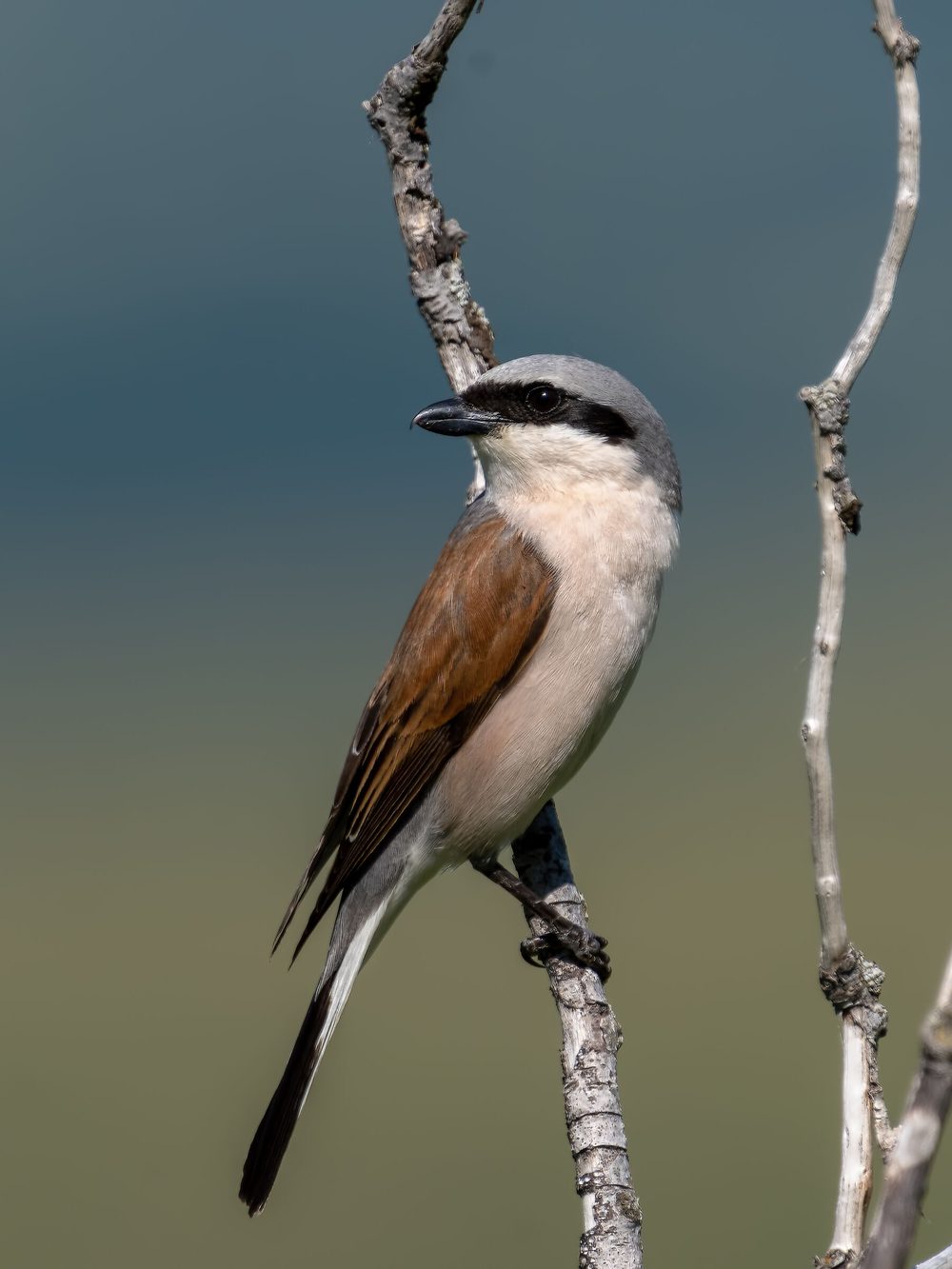 Shrike Bird Facts: The Bird That's Also a Donkey (Al-Akhtab الأخطب ) 🐦🫏
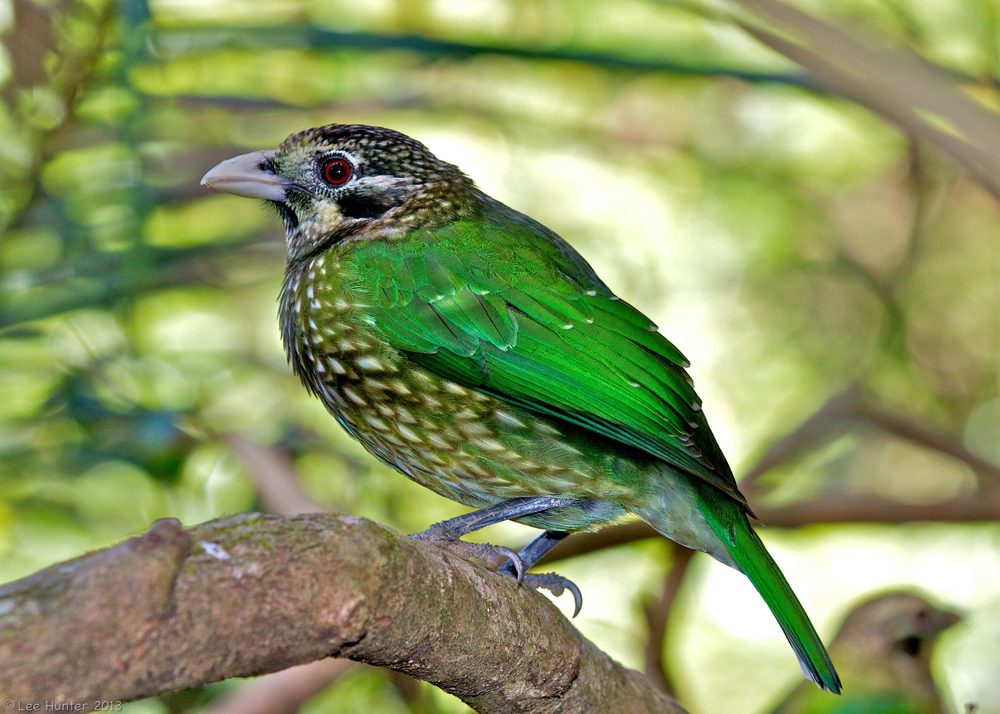 The Speckled Green Bird of Ill Omen 🐦