Humility, language and a desert encounter
Of all the animals in Hayat al-Hayawan, the humble she-donkey — al-atan — gets one of the strangest honors: the book records a Prophetic saying that riding a she-donkey drives pride out of the heart. "Whoever wears wool, milks his sheep, and rides the she-donkey — there is no arrogance left inside him." A second tradition, reported through Jabir and Abu Hurayra, lists the cures for pride in full: wearing wool, sitting with poor believers, riding the donkey, tethering the goat with one's own hands, and eating with one's family. Humility, it turns out, is a to-do list — and the donkey is on it.
Before we go further, a lexicographic footnote the book insists on: don't say atanah — that's wrong. The plural for a few is atn, and for many, utun. And there's a verb for it too: ista'tana al-rajul — a man "took a she-donkey for himself." The language loved this animal enough to mint verbs for owning her.
The book illustrates the pride-cure with a desert encounter I can't stop thinking about. Khalid ibn Abdallah al-Qasri, the governor of Iraq, was out hunting when he got separated from his companions — and met a Bedouin riding a lean, worn-out she-donkey, an old woman behind him. The man launched into magnificent tribal boasting and recited verses begging for generosity after "the succession of bad years."
Dreams, dignity and the meaning of atan
Then came the catch. Khalid — still incognito — pointed out the contradiction: "You came on a lean she-donkey, yet your poem claims you came on fine camels!" His reply is one of the great lines in the book: "Our toiling in praising the mean man was harsher upon us than lying in our poetry." Flattering a worthless man, he's saying, cost more dignity than inventing verses ever could.
Then the Bedouin learned the stranger was Khalid himself. The governor offered him money — "as a gift, not a reward." And the Bedouin refused with an oath that still rings: "By GOD, I will never take a dirham from a man after making him hear what he dislikes" — then turned his she-donkey around and rode off. "It is by such deeds," Khalid said, watching him go, "that he and his fathers earned what they earned." The man with nothing, on the leanest mount in the desert, out-dignified the governor.
Dreams about the she-donkey run darker. Zaraara ibn Amr al-Nakha'i came to the Prophet in the ninth year with a dream: his she-donkey bore a dark-speckled kid, while fire burst from the earth crying "Blaze! Blaze!" The interpretation unfolded piece by piece. The kid? A slave woman he'd left behind had borne him a boy. Why dark-speckled? The Prophet asked him: "Is there vitiligo upon you that you conceal?" — "By Him who sent you with the truth, no one knew of it before you." And the fire was the civil strife to come: people would kill their leader and clash "like the interlocking of the skull's plates" — the Prophet interlaced his fingers to show it. Scholars later identified it with the turmoil in which the caliph Uthman was killed. Zaraara begged for a prayer not to live to see it, and the Prophet prayed for him.
Arabic even turned the animal into an insult for fallen pride: "He was a donkey, then became a she-donkey" — said of a man humbled after glory. Yet the dream-books call her a fortunate sign: a helpful woman, steady profit, offspring — for atan comes from ityan, "coming": good things coming your way.
Frequently Asked Questions
-
Why does the book connect riding a she-donkey with humility?
The article quotes a reported saying that links riding a she-donkey with wearing wool, milking sheep, sitting with poor believers, tethering one’s own goat and eating with family. Together, these ordinary acts are presented as ways to remove arrogance by bringing a person closer to service and everyday life.
-
What happened between the Bedouin and Governor Khalid?
Khalid met a Bedouin riding a lean she-donkey and challenged the grand claims in his poem. After learning the stranger was the governor, the Bedouin refused payment, swearing by GOD that he would not take money from someone after saying what that person disliked. Khalid praised his dignity.
-
What does a she-donkey mean in the article’s dream tradition?
The dream material gives the she-donkey a more favorable meaning than some of the entry’s insults and omens. It can represent a helpful woman, steady profit, or offspring. The article links this reading to the word atan and the root meaning “coming,” suggesting good things arriving.

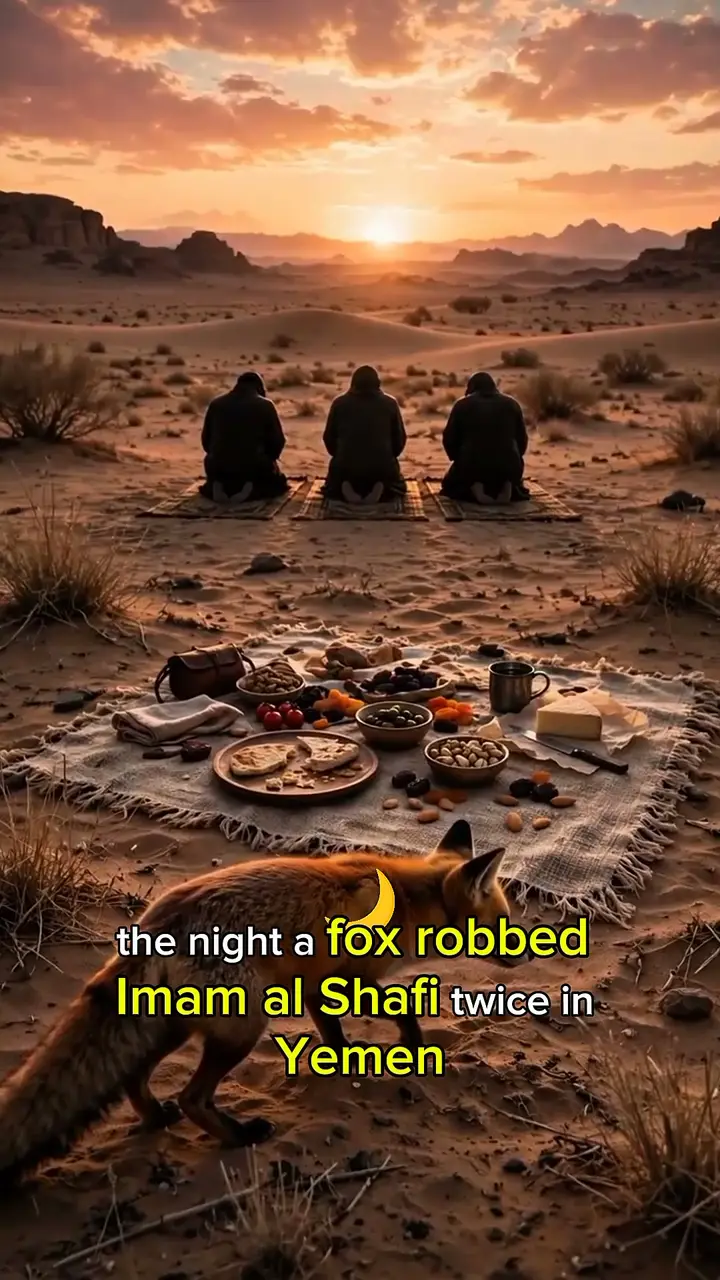 The Fox Came Back for Seconds 🦊🍗
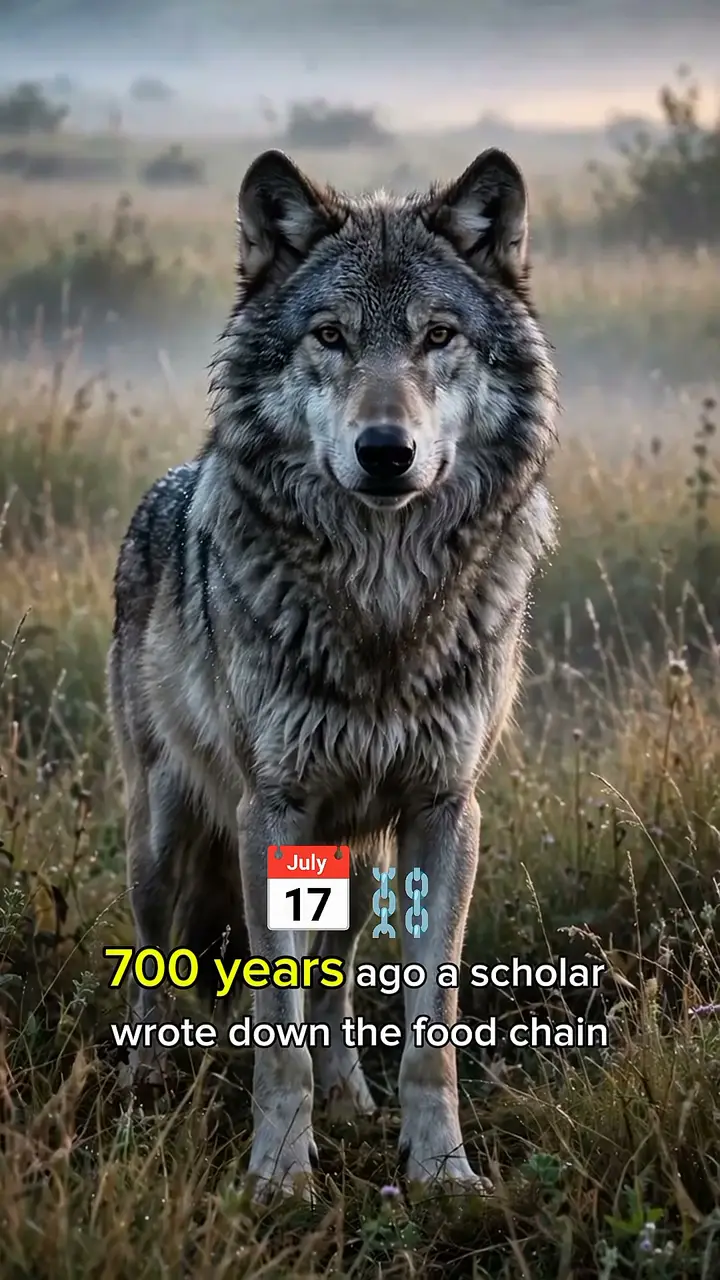 A Wolf Starts This 700-Year-Old Chain. A Fly Ends It. ⛓️🐺
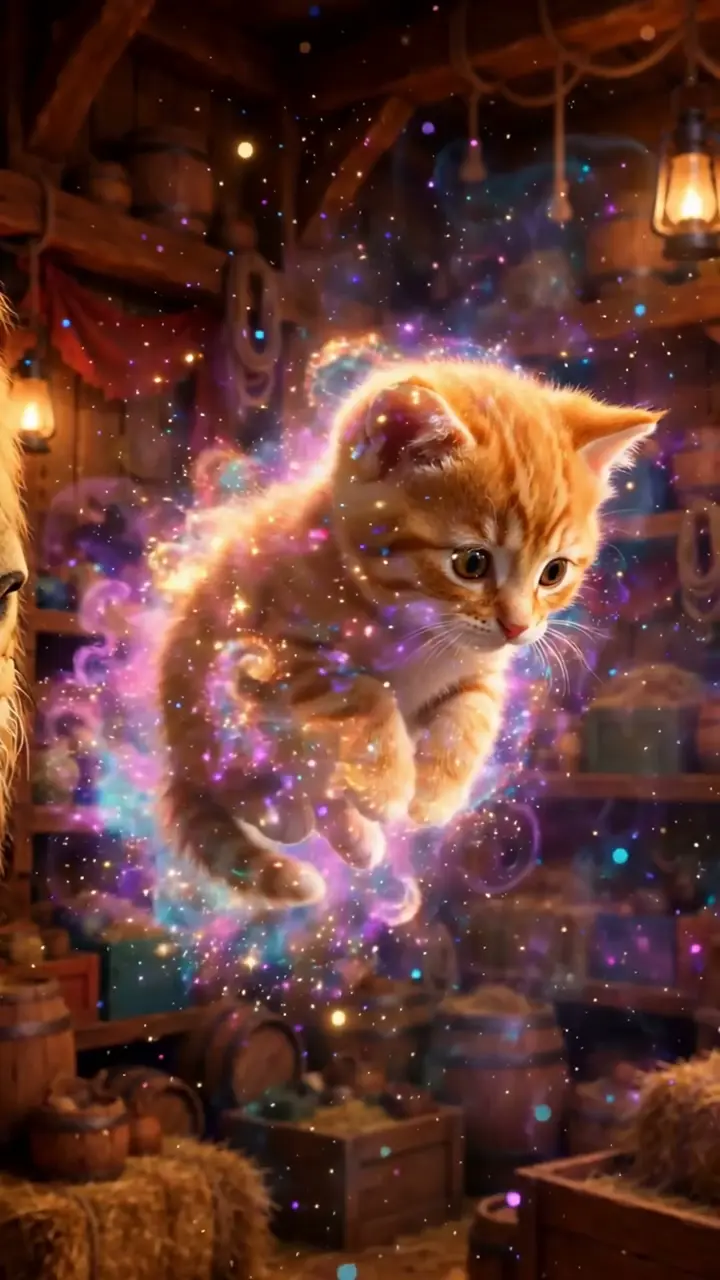 The Sneeze That Put a Cat on Noah’s Ark 🦁🐱