It begins with a wolf, which feels like the obvious place for danger to peak: speed, teeth, and a body made for the chase. But Hayat al-Hayawan refuses to stop there. It keeps asking, “And what did that animal eat?”
The answer stretches into a chain of ten creatures. One hunter catches smaller prey; that creature has fed on something below it. The scale keeps shrinking—from jaws to smaller mouths, from heavy bodies to quick lives tucked into grass, fur, feathers, and dust.
Here is the part I love: every new link changes the animal before it. A frightening predator becomes somebody else’s meal. “Hunter” and “prey” turn out to be temporary roles, not permanent titles.
By the final links, the wolf feels almost like a distant mountain. Yet the last insect matters just as much as the creature at the top. Take it away and the whole odd procession stops connecting.
This is not a modern classroom chart with tidy arrows and scientific labels. It is a medieval observation told as a verbal spectacle—ten lives joined by appetite, centuries before “food chain” became an everyday phrase.
The surprise is not that animals eat one another. It is how relentlessly the account zooms in. Strength gives way to vulnerability; size gives way to detail.
The wolf opens the chain, but it never owns it. Even the tiniest fly gets the last word in a sequence that began with a howl.
Frequently Asked Questions
How many animals are in the chain?
Ten creatures. Each hunter has fed on something smaller below it, so the scale keeps shrinking from the wolf's jaws down to tiny lives tucked into grass, fur, feathers, and dust.
What is the point of the chain?
Every link changes the animal before it: a frightening predator becomes somebody else's meal. “Hunter” and “prey” turn out to be temporary roles, not permanent titles — and the final insect matters just as much as the wolf at the top.
Where does this story come from?
It is retold from al-Damiri's Hayat al-Hayawan al-Kubra, the 700-year-old Arabic book of animals behind every tale on this site.

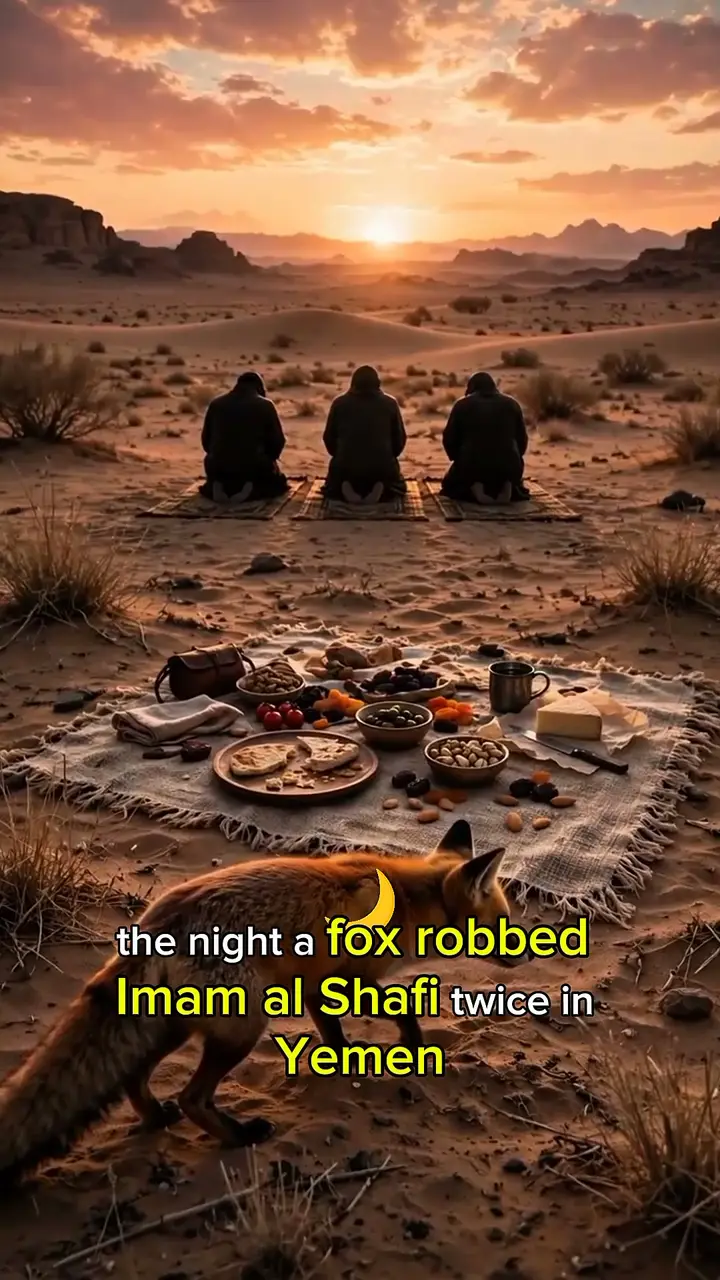 The Fox Came Back for Seconds 🦊🍗
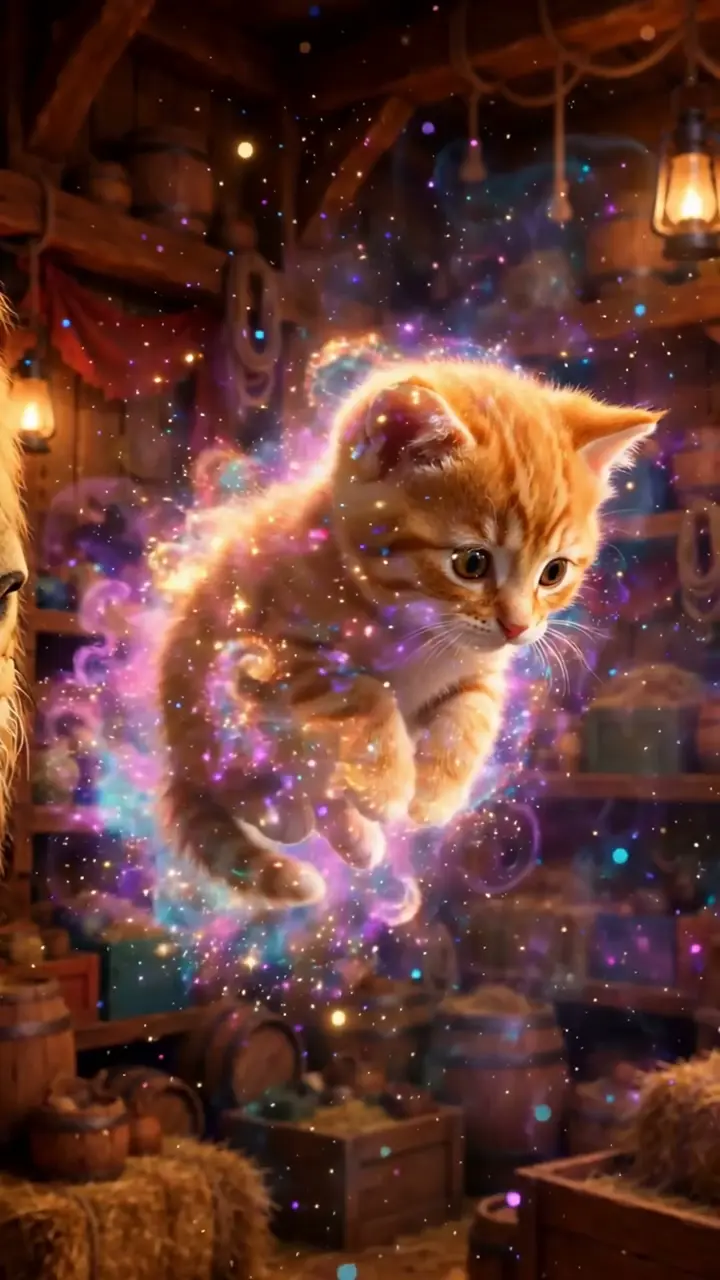 The Sneeze That Put a Cat on Noah’s Ark 🦁🐱
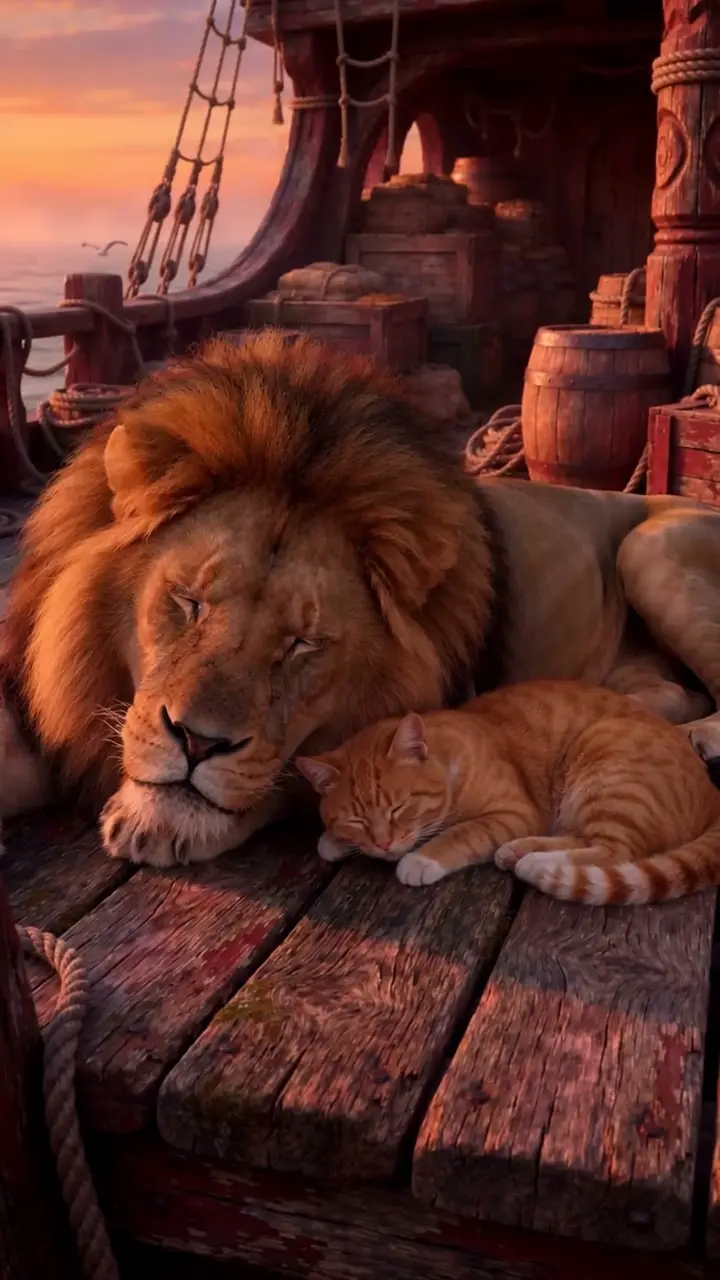 The Lion: 630 Names, a Sneeze, and the Birth of the Cat 🦁