Names, nature and the lion’s code
The medieval Arabic encyclopedia Hayat al-Hayawan (c. 1371) opens with the lion — "because it is the noblest of wild animals." Ibn Khalawayh collected 500 names for it; another linguist added 130 more: Usama, Haydara, al-Layth, al-Ghadanfar, al-Qaswara — and kunyas like Abu al-Harith (father of plowers). By the lion's nobility, Hamza ibn Abd al-Muttalib was named Asadullah — the Lion of GOD.
The entry is full of wonders. The lioness gives birth to a single cub — a lump of flesh with no sensation. She guards it for three days while the father breathes into it again and again, until it stirs. Its eyes open after seven days, and after six months it hunts on its own.
The lion lives by a strict honor code: it never eats another predator's kill, it abandons its prey once full and never returns to it — it tears its food in chunks without chewing, and having almost no saliva, it is proverbially foul-breathed ("more stinking of breath than the lion," the Arabs said, alongside "braver than the lion"). And yet, the book claims, this king of beasts flees at the crow of a rooster, is bewildered by fire, is frightened by the clatter of a copper basin — and by cats. The cat. Remember that for later.
The stories in this entry could fill a book on their own. Safina, the Prophet's freedman, was once shipwrecked and met a lion in a thicket. He introduced himself — "I am the freedman of the Messenger of GOD, and I am lost" — and the lion nudged him with its shoulder until it had set him on the road, then hummed what Safina took for a farewell.
Stories, wonders and medieval beliefs
Then there's the fate of 'Utba ibn Abi Lahab, whom the Prophet cursed: "O GOD, set upon him one of Your dogs." A lion tore him apart in Syria — sniffing past the ring of guards, leaping onto the piled baggage where 'Utba slept, and tearing his head off. They searched for the lion afterward and never found it.
And Daniel in the lions' pit: the lions licked him and wagged their tails, and an angel brought him food. Centuries later, his signet ring was found engraved with two lions licking a man between them — made as a reminder of GOD's favor.
Then comes the strangest tale of all. Aboard Noah's Ark, the animals feared the lion, so GOD struck it with a fever — the FIRST fever ever on Earth, the book says. When mice began ruining the food stores, GOD made the lion SNEEZE — and out of that mighty sneeze came the CAT, and the mouse hid from it forever. Remember the lion's fear of cats? The book set that up pages before the punchline.
The khawass — the "special properties" — are a pharmacy of wonders, all presented as the book's claims, never as advice: lion fat smeared on the body makes predators flee; a piece of lion skin hung on a child cures epilepsy; carrying a lion's tooth protects from toothache. And the dream-book: a lion in dreams is a mighty, oppressive sultan — but fleeing from one, you escape what you fear and attain wisdom.
Even the lion's roar, the book reports, carries a prayer: "O GOD, do not give me power over anyone who does good."
Frequently Asked Questions
-
How many names for the lion does the book record?
The article says Ibn Khalawayh collected 500 lion names and another linguist added 130, making 630 names and attributes. Examples include Usama, Haydara, al-Layth, al-Ghadanfar and al-Qaswara. It also records kunyas such as Abu al-Harith, while Hamza ibn Abd al-Muttalib was called the Lion of GOD.
-
Does Hayat al-Hayawan say the lion created the first cat?
In the book’s Ark account, the animals fear the lion, so GOD gives it a fever. When mice begin damaging the stored food, GOD makes the lion sneeze, and the first cat emerges from that sneeze. The article presents this as a medieval story, not as a modern zoological claim.
-
What unusual lion habits appear in the article?
The entry says a lion will not eat another predator’s kill, leaves prey once full, tears food without chewing, and has very little saliva. It also claims the lion fears a rooster’s crow, fire, the clatter of a copper basin and cats. These details belong to the book’s medieval natural history.

 The Fox Came Back for Seconds 🦊🍗
 A Wolf Starts This 700-Year-Old Chain. A Fly Ends It. ⛓️🐺
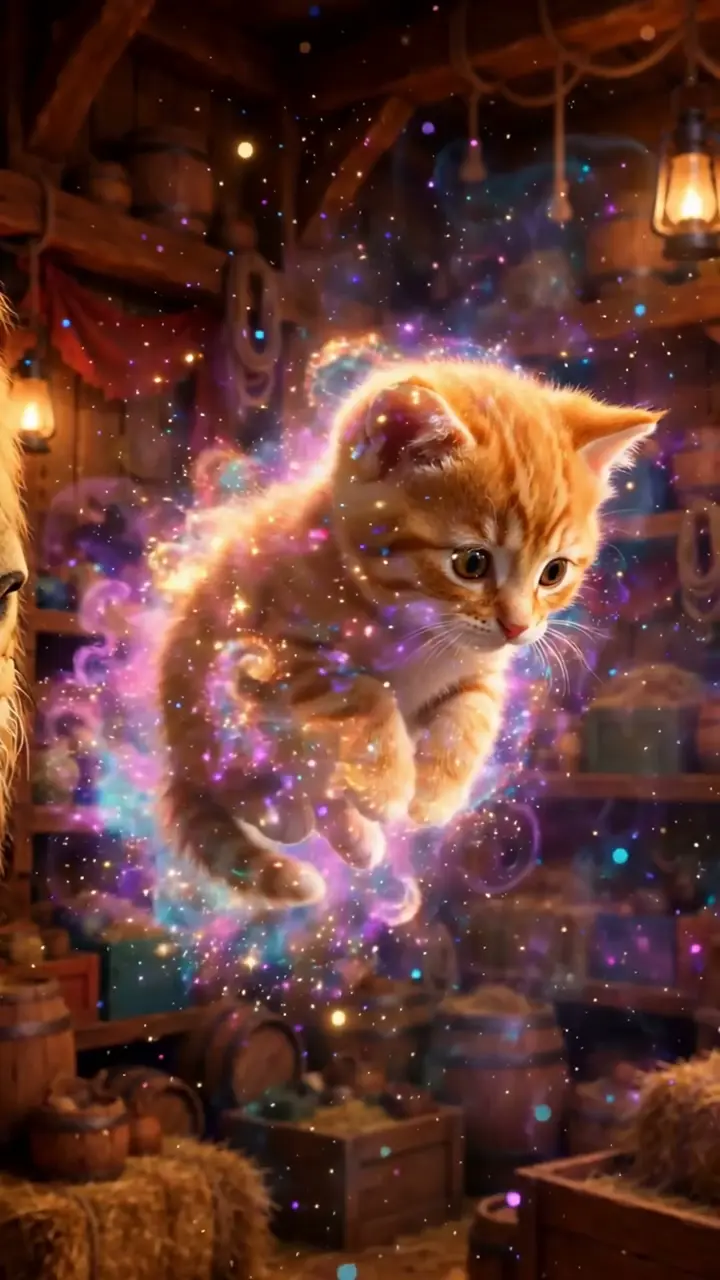 The Sneeze That Put a Cat on Noah’s Ark 🦁🐱