The Mountain Stag With a Death Wish
Let's start with the headline stunt. The al-ayl — the male of the ibexes, called kuzan in Persian, and in most of its habits resembling wild cattle — has a survival strategy no zoologist would recommend: when it fears the hunter, it throws itself off the top of the mountain. And it is not harmed by it.
Not “probably unharmed.” The entry states it flatly: it hurls itself from the mountain peak and suffers nothing. Seven hundred years before extreme sports, al-Damiri's ibex was base-jumping without a chute.
Its age, meanwhile, is written on its head — the number of its years equals the number of knots on its horns. A living tree-ring system, carved in keratin.
The Snake-Eater
Here is where the al-ayl gets weird. This gentle-looking mountain animal is, according to the book, obsessed with eating snakes. It seeks them out wherever it finds them, and when it eats one, it starts at the tail and works its way to the head — like a connoisseur eating a very dangerous banana.
Naturally, this backfires sometimes. When a snake bites back, the al-ayl's medicine is... crab. If a serpent stings it, it eats crab — the entry's own reported remedy for the venom.
But the detail that made me stop scrolling is the tears. When the al-ayl is bitten, its tears stream down into two little hollows beneath its eye sockets — hollows so deep a finger can fit inside. And there the tears solidify, hardening “like the sun” into stones. Those stones are made into a theriac — an antidote — for snake venoms: the famous “animal bezoar” (al-bad-zahr al-hayawani). The best, the book says, is yellow, and it comes from India, Sind, and Persia. Place it on a snake or scorpion bite and it helps, the book claims; let a poison-drinker hold it in his mouth and it benefits him. “It has an amazing property against poisons.”
Read the framing carefully: the book claims, not the pharmacy. This is medieval belief, reported faithfully — not medical advice.
There's also a haunting vignette tucked into the entry's appendix. Asked about a poet's verse, the scholar al-Zajjaji explains that the al-ayls eat vipers in the summer, grow heated and inflamed from the venom, and then seek water — but when they reach it, they refuse to drink. They circle the water, sniffing at it, because if they drank while the poison still raged in their bellies, the water meeting the venom would kill them. Only when the venom's fury has passed do they drink, safely. The poet compares his own restraint toward his beloved to those thirsting deer, circling the water they desperately need and refusing it — to stay alive.
Antlers: A Pharmacy, a Fishing Rod, and an Alarm Clock
The al-ayl's antlers grow on a strict schedule: nothing until the animal is two years old, then they sprout straight like two stakes. In the third year they branch; the branching keeps increasing until the sixth year, when they stand like two trees on its head. Then — every single year — it casts them off and grows new ones, exposing the fresh antlers to the sun to harden them.
The shedding, the book says, is an inspiration from GOD — because people benefit from the cast antlers in a dozen ways. The medieval properties list (khawass), framed strictly as historical belief: burning the horn as incense repels vermin and every venomous thing; burning and grinding the horn into a tooth-stick clears yellowness and decay from the teeth and strengthens their roots; wearing a piece of the animal keeps a man from sleeping as long as it hangs on him; its blood, drunk, breaks the stone in the bladder; and the antlers ease difficult childbirth, benefit pregnant women, and — burned and licked with honey — expel worms from the belly.
The entry is honest about the al-ayl's build, too: its body is sinew, “neither flesh nor bone,” its horn solid with no hollow — and for all its snake-hunting bravado, the animal itself is “cowardly, in constant dread.” It even flees when it gets too fat, terrified of being caught.
How Hunters Catch the Uncatchable
So how do you catch an animal that jumps off cliffs and eats vipers? Aristotle — cited by name — gives the method: the al-ayl is caught with whistling and singing. It cannot sleep while it hears music, so the hunters distract it with a tune, creep up behind it, and when they see its ears droop — that's the signal. Caught.
And the strangest hunting trick of all involves the al-ayl's oddest habit: it befriends fish. The stag walks down to the seashore to look at the fish, and the fish come up near the land to look at it — a genuine cross-species friendship, per the entry. The hunters know this. So they dress in the al-ayl's skin, the fish come to greet what they think is their friend, and the hunters catch them. Nature documentary material, seven centuries early.
Frequently Asked Questions
What is al-ayl?
Al-ayl (الأيل) is the male ibex in Hayat al-Hayawan — a mountain stag, called kuzan in Persian, mostly resembling wild cattle in its habits. Its entry spans three pages of the book: snake-hunting, tear-stones, antler medicine, cliff-jumping, and a friendship with fish. One of the richest entries in the alif chapter.
Do the al-ayl's tears really cure poison?
That is what the book claims, and only what it claims: tears flowing into hollows under the eyes harden into stones, which are made into a theriac for snake venom — the “animal bezoar,” best in yellow from India, Sind, and Persia. It is a medieval belief about the world's hidden properties, presented here as history — never as medical advice.
How do hunters catch an animal that throws itself off cliffs?
Per Aristotle as cited in the entry: with whistling and singing. The al-ayl stays awake as long as it hears the tune, so hunters play, approach from behind, and take it when its ears droop. Its other weaknesses help too — it cannot resist approaching when it hears music, and it flees when it gets too fat.

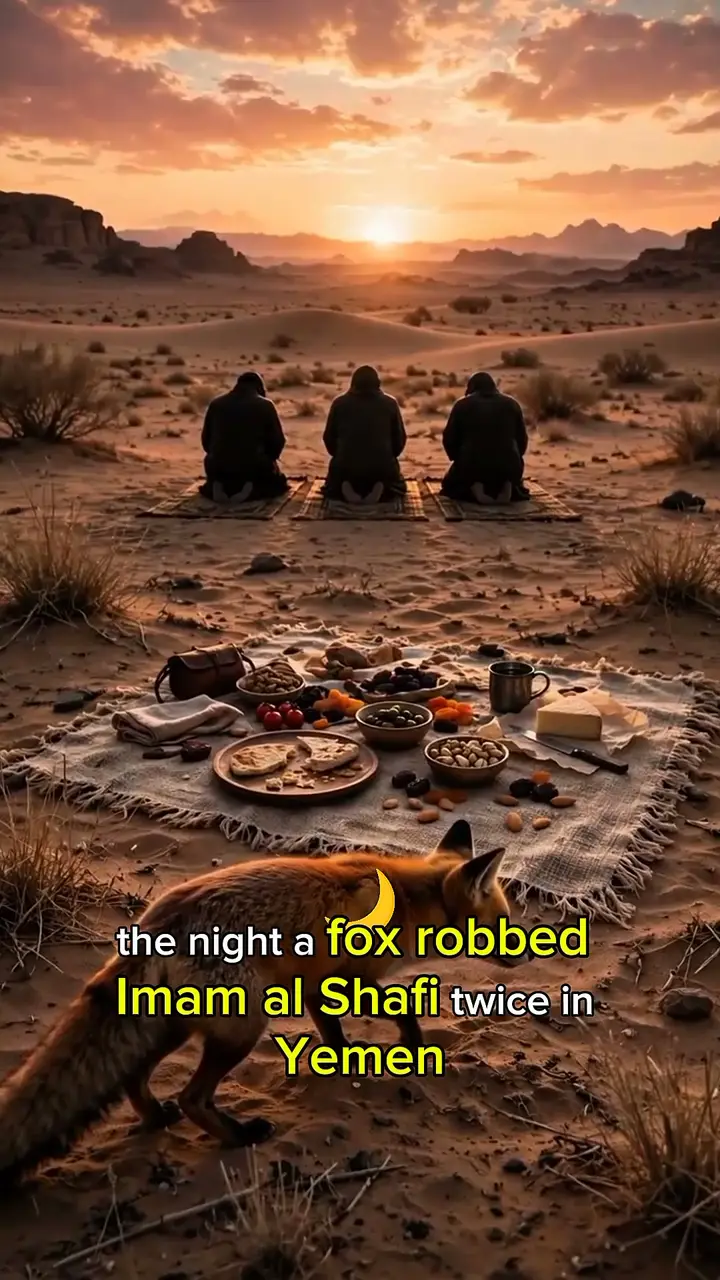 The Fox Came Back for Seconds 🦊🍗
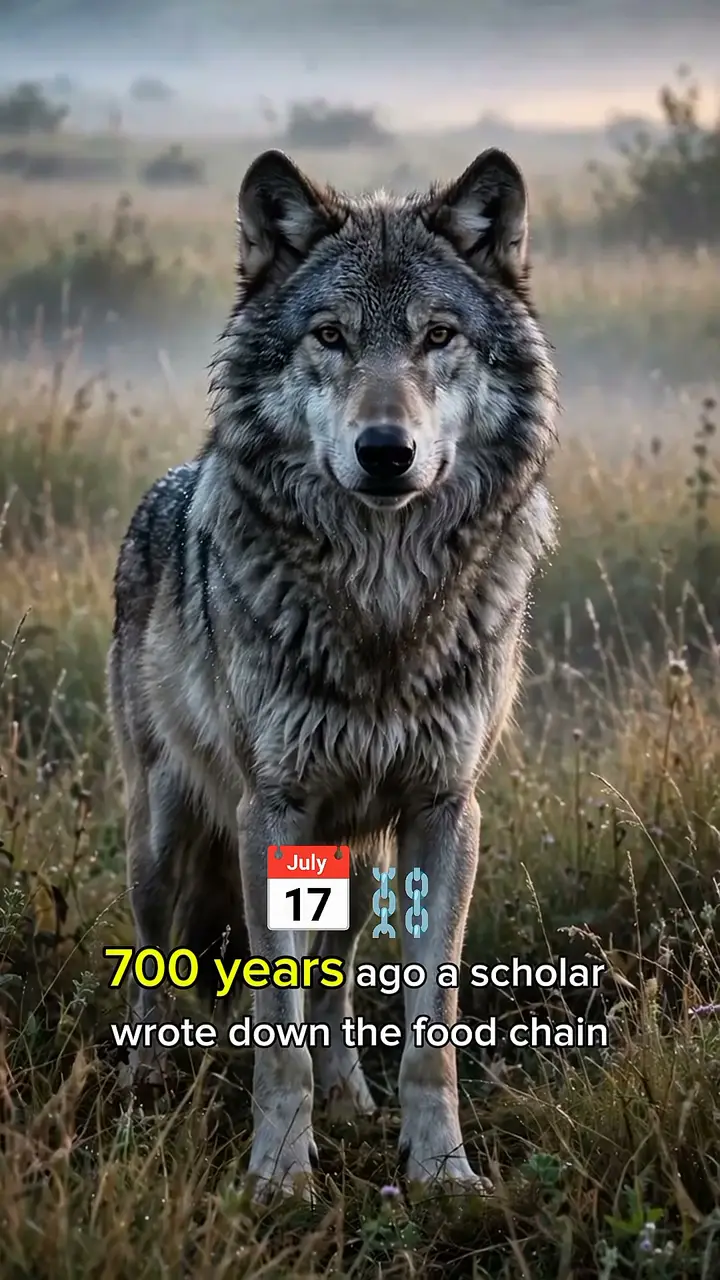 A Wolf Starts This 700-Year-Old Chain. A Fly Ends It. ⛓️🐺
 The Sneeze That Put a Cat on Noah’s Ark 🦁🐱