A New Chapter, A Two-Line Entry
Turn the page past the jackal, and the book changes gears. The alif chapter is done; now begins باب الباء الموحدة — the chapter of the letter bā'. And the very first entry under the new letter is this:
البابوس — “the small one of the children of people and others.”
That's the whole definition. A babus isn't a species. It's anyone's little one: a human baby, a baby animal, the small one of the bunch. The word names a size and a tenderness, not a beast.
This is the shortest entry we've met so far — no anecdotes, no remedies, no legal rulings. Two lines. Rather than invent an animal to fill the silence, I'd rather tell you why those two lines are worth your minute.
The Camel Who Missed Her Baby
Why would a book of animals bother defining a vocabulary word? Because al-Damiri worked the way the great Arabic dictionaries worked — he let a poet prove the word was real. His witness here is Ibn Ahmar, and the line is lovely:
“My camel yearned for her babus in joy — and what is your yearning? Nay, what are you, and the male?”
حنّت قلوصي إلى بابوسها طربا. His qalus — a young she-camel — is calling out for her little one, yearning for her baby with that deep camel groan anyone who's been near camels knows. Then the poet pivots with a shrug: don't ask me about longing — what am I, and the stallion, compared to this?
The tenderness lands on the reread. The word babus existed because someone needed a word for that — a mother camel's cry for her calf — and a poet reached for it the way you'd reach for “baby.” Thirteen centuries later, the feeling is still perfectly legible.
Why a Dictionary Entry Lives in a Book of Animals
There is no animal here. Hayat al-Hayawan is part bestiary, part dictionary, part literature anthology — and al-Damiri collected words the way other men collected specimens. The babus survives in these pages the way a pressed flower survives in a book, because someone loved it enough to keep it.
And that tells you something real about the world this book came from. The camel's longing was worth recording. A poet watched — or imagined — a she-camel crying for her calf, and the language bent to hold the moment, and the great book of animals swept the word up and shelved it between the jackal and the falcon. Natural history, in the medieval sense, included the history of how humans talked about nature.
Small Word, Big Doorway
There's one more thing the babus does: it opens a door. This two-line entry is the first under the letter bā' — which means the long march of the bā' animals starts here. Next in line is the baz (البازي), the falcon — a proper, full, magnificent entry with pride, poetry, and a famous rebuke of a corrupt judge. Every one of those bā' entries walks in behind this tiny word.
So the smallest entry in the book turns out to be a threshold. You step over the word “little one” to get to the falcons. I can't decide if al-Damiri planned that or if the alphabet just did it for him. Either way, I'm glad the baby got the first word.
Frequently Asked Questions
Is al-babus an animal species?
No. Al-babus (البابوس) is a word meaning “the small one among the children of people and others” — a baby, human or animal. The entry is a vocabulary note with a single poetic citation, not a species description. We report it exactly as the book gives it rather than inventing a beast to fill the page.
What does Ibn Ahmar's verse actually say?
“My camel yearned for her babus in joy” — his young she-camel (qalus) calling out for her little one — followed by the poet's wry turn: “what is your yearning? Nay, what are you, and the male?” It's the book's only evidence that the word was really used, and it's a small masterpiece of understatement: a mother's longing, then a shrug.
Why does such a short entry matter?
Because it shows what Hayat al-Hayawan really is — not just a bestiary but a treasury of the Arabic language, where words were specimens too. And structurally it matters: the babus opens the entire bā' chapter, so every long entry that follows — the falcon next — enters behind this two-line “little one.” Small word, big doorway.

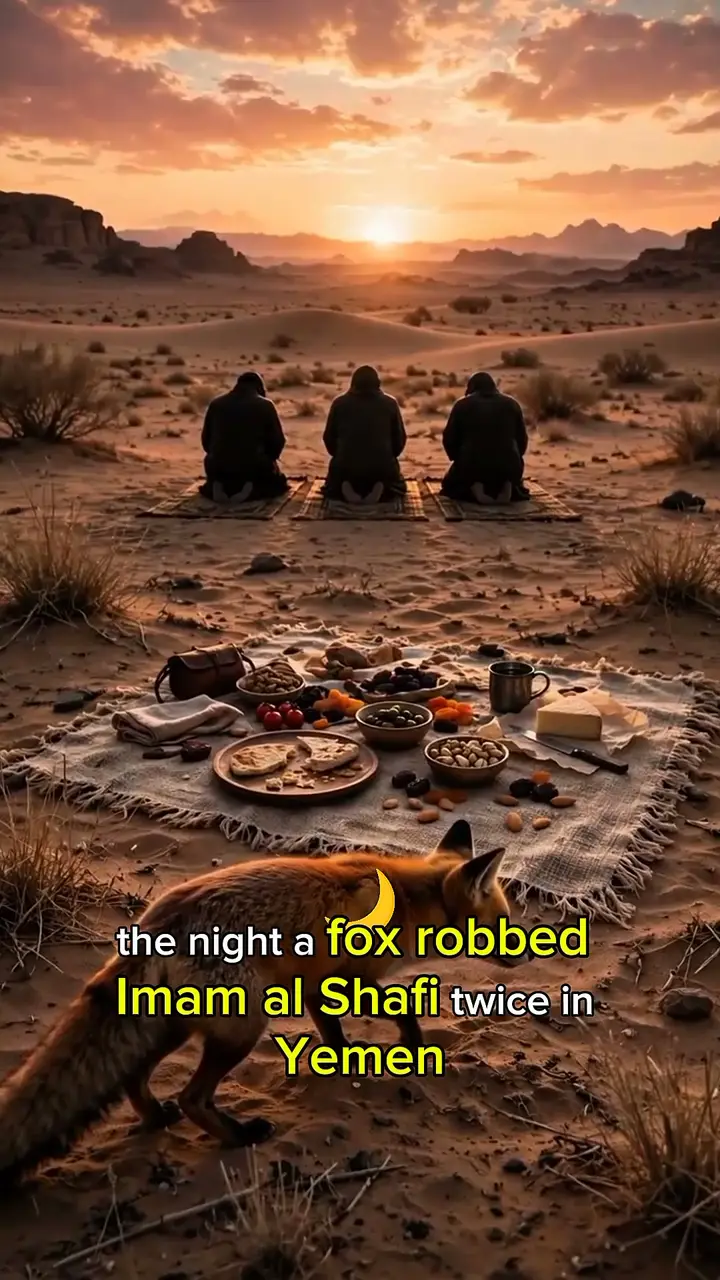 The Fox Came Back for Seconds 🦊🍗
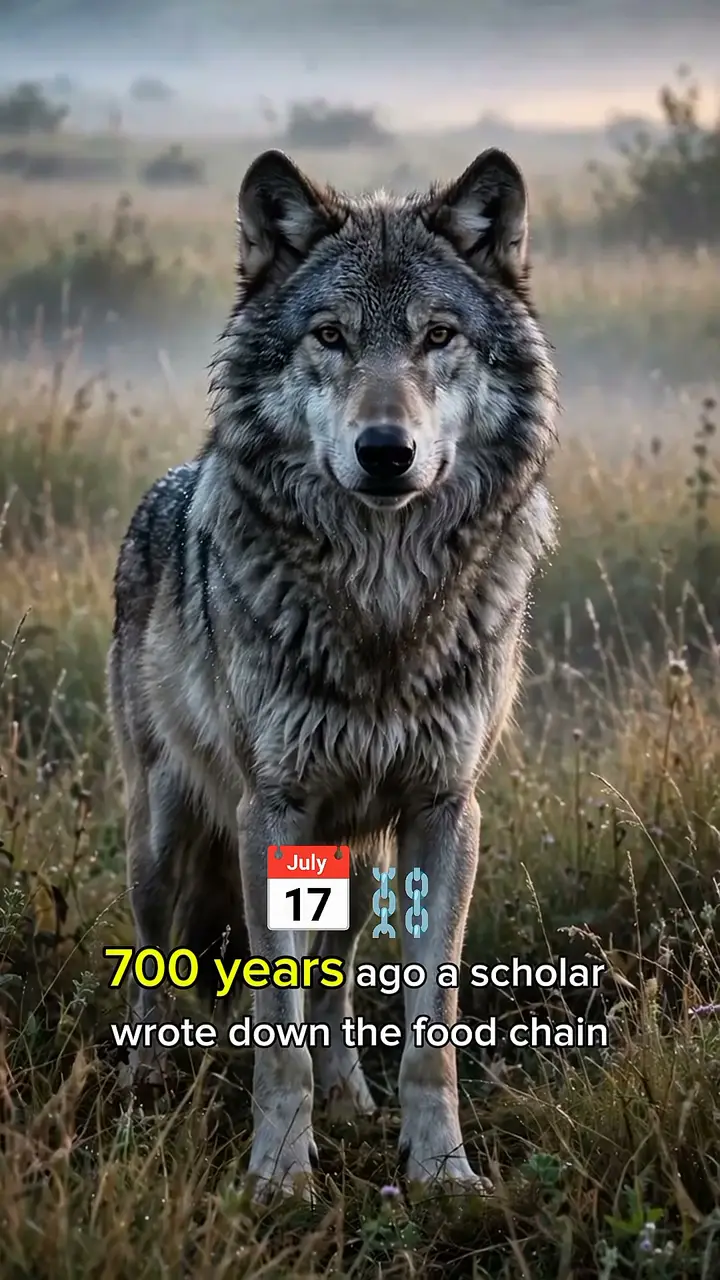 A Wolf Starts This 700-Year-Old Chain. A Fly Ends It. ⛓️🐺
 The Sneeze That Put a Cat on Noah’s Ark 🦁🐱