Some entries in this book run for pages. This one runs for a single sentence. And yet it hands you one of the most beautiful bird names in the whole book: the king of sadness.
The whole entry, word for word
Here it is, complete — all of it:
هو مالك الحزين. وسيأتي إن شاء الله تعالى في باب الميم.
"It is malik al-hazin. And it will come, GOD willing, in the chapter of the letter mim (م)."
Two sentences. The first names the bird; the second points somewhere else. If you have been following this series, you will recognize the move by now. Al-Damiri does this whenever a word belongs somewhere later in the book. He gives you the word, he keeps it safe, and he tells you exactly where to find the rest.[1]
A heron by another name
So what is al-balshun? The book answers with a second name, not a description: it is malik al-hazin. Malik means king, or possessor. Al-hazin means the sad one, the grieving one. Put together, the name reads as "king of sadness" — or, if you prefer the plainer reading, "the possessor of sadness."
That is the name Arabic speakers gave the heron, and it is easy to see why it stuck. Anyone who has watched a heron knows the posture: motionless at the water's edge, neck folded, head low, staring at the shallows like a creature lost in thought. The name is not a scientific description. It is a portrait, painted in two words.
To be honest: the entry itself does not explain the name or describe the bird standing in the shallows. That picture comes from the name itself and from what a heron looks like. The book gives us the name and trusts us to know the bird, and I will not dress that up as a fact from the entry — the entry is one line, and I will not pretend it is more.[1]
A promise, signed "GOD willing"
The second sentence is my favorite part. وسيأتي إن شاء الله تعالى — "and it will come, GOD willing." That little phrase is al-Damiri's signature whenever he defers an entry. It is humble and practical at once: I have not forgotten this bird, the full story is coming, and I am not pretending I have finished the job.
We have met this pattern before in this series. Al-bajj, the water bird, was deferred to the ta chapter. Al-bara, the bird, was deferred to the sin chapter. Al-baghibigh, the fat gazelle buck, was deferred to the gazelle entry in the zha chapter. Each time, the small entry is a placeholder with a direction attached — a medieval hyperlink, written by hand, pointing the reader forward through the book.
The promise turns a one-line entry into a small cliffhanger: there IS more to say about the heron, and you know exactly where it lives — the mim chapter.[1]
The long wait to the mim chapter
Here is the catch. We are still in the ba chapter, and the mim chapter is a long way off — most of the alphabet still stands between this line and the heron's full entry. A reader holding the whole manuscript could flip ahead, but this series goes in order and does not skip ahead to steal the mim chapter early. So the heron's full story is still coming. Today, he gets his name, his one line, and his promise.
There is something quietly wonderful about a 700-year-old encyclopedia that refuses to throw a word away just because its chapter has not arrived yet. The heron mattered enough that al-Damiri stopped, wrote him down, pointed to his mim-chapter home, and promised to come back.
The honest ledger
Because this series does not invent, here is the whole entry, nothing added: (1) al-balshun is malik al-hazin, the king of sadness; (2) its full treatment will come, GOD willing, in the chapter of the letter mim. No habitat, no diet, no story, no poem, no remedy. The entry sits on page 225, right after al-balah, the dusty bird, and right before al-ballasus. The heron gets one line, and then the book walks on.[1]
So why is the heron the king of sadness? The book does not say — not yet. When we reach the mim chapter, we will find out what al-Damiri collected about him. Until then, the name alone is worth sitting with: a tall, still bird at the water's edge, crowned with a sorrow he never explains.
Frequently Asked Questions
What is al-balshun?
Al-balshun (البلشون) is the heron in Hayat al-Hayawan. The book's entire entry identifies it in one line as malik al-hazin, the "king of sadness," and promises its full treatment in the chapter of the letter mim. No description, story, or remedy appears in this entry — the name and the promise are all the book gives here.
Why is the heron called the king of sadness?
The entry itself does not explain the name; it only records it. Malik means king or possessor, and al-hazin means the sad or grieving one, so the name reads as "king of sadness." The name likely reflects the heron's famously still, head-lowered posture at the water's edge, though the book leaves that interpretation to the reader rather than stating it.
When will we learn more about the heron?
When this series reaches the heron's full entry under malik al-hazin in the chapter of the letter mim (م), in book order. The book's order never changes, and we do not skip ahead — so the heron's full story arrives when the alphabet brings us to it, exactly as al-Damiri promised, GOD willing.

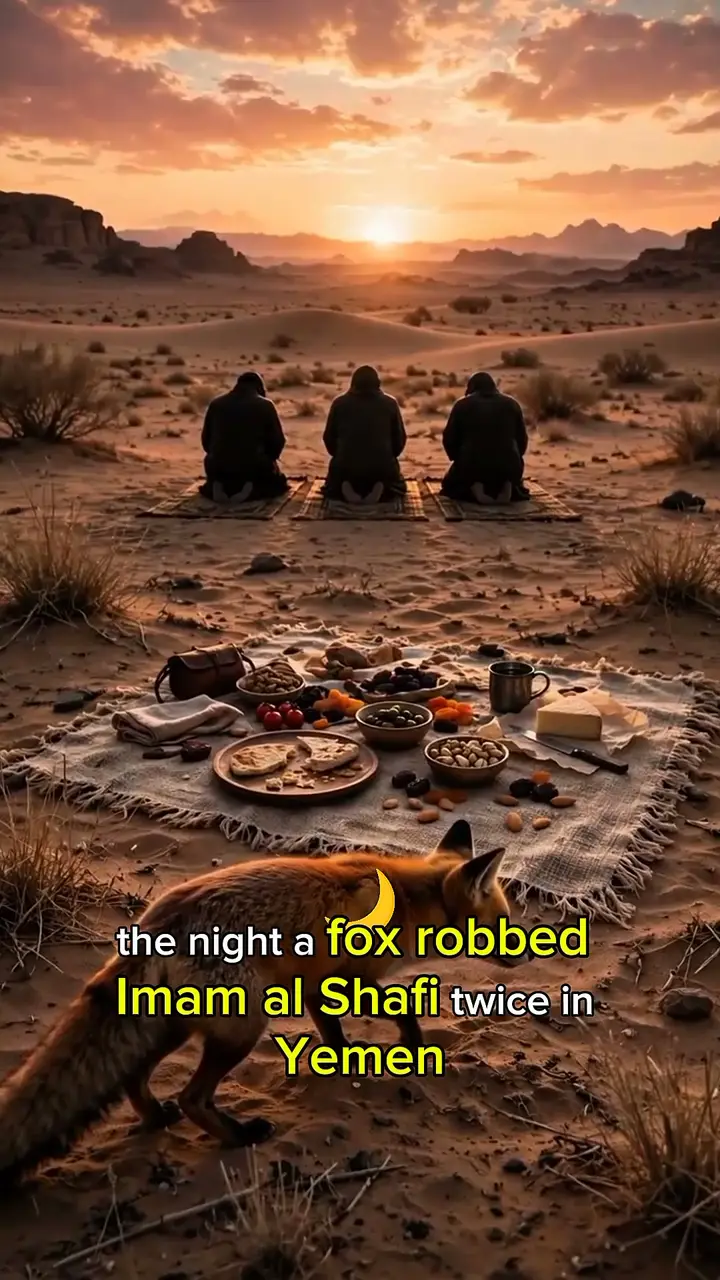 The Fox Came Back for Seconds 🦊🍗
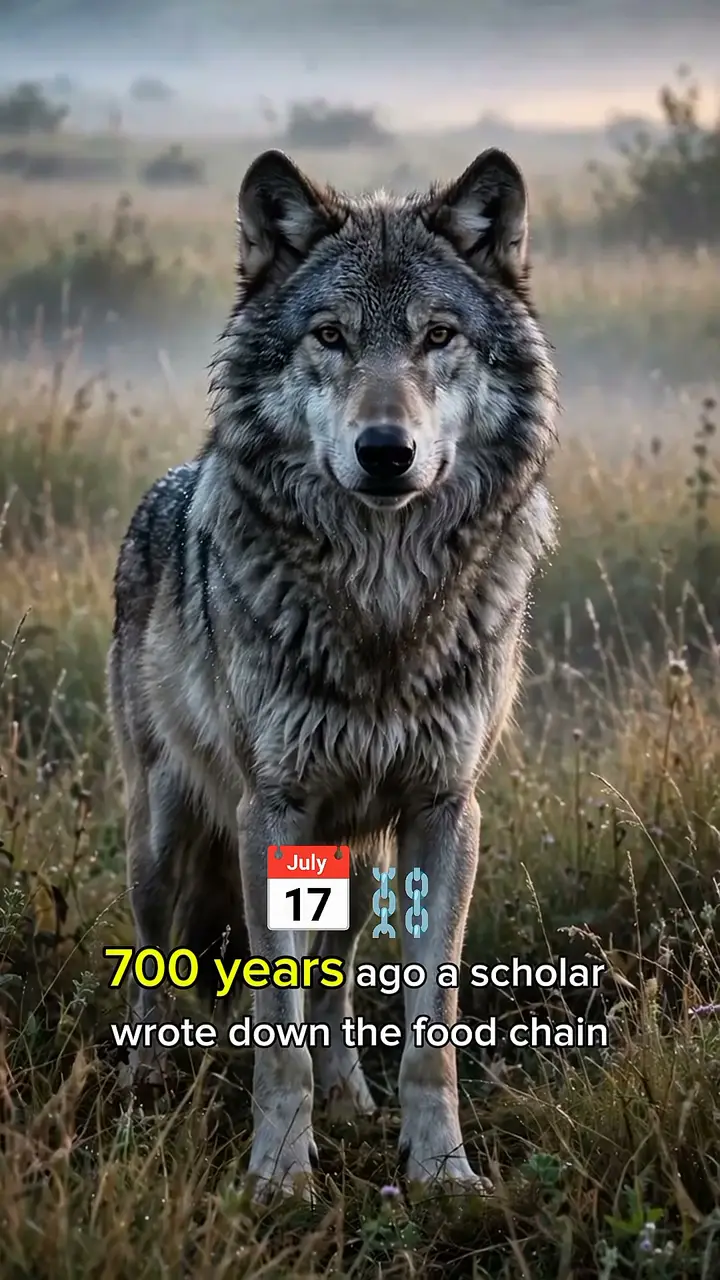 A Wolf Starts This 700-Year-Old Chain. A Fly Ends It. ⛓️🐺
 The Sneeze That Put a Cat on Noah’s Ark 🦁🐱