Yesterday's animal was the tame cow in the field. Today's is its wild cousin, and the difference is everything. The domestic cow waits for you. Wild cattle do not wait for anyone. They drink when they find water in the summer heat, and when they cannot find it, they endure, content with sniffing the wind. Al-Damiri notes that the wolf, the fox, the jackal, the wild donkey, the gazelle, and the rabbit share that same hard patience. It is a club for animals that survive on almost nothing, and the wild cow is a founding member.
Four Kinds, One Hard Life
The book divides wild cattle into four kinds: the maha, the ayl, the yahmur, and the thaytal. The ayl, the ibex, already had its own entry earlier in the book, and the yahmur gets its full treatment later, in the chapter of the letter ya. What we get here is mostly the maha, the oryx.
Start with the horns, because al-Damiri does. The horns of wild cattle are solid all the way through, unlike the hollow horns of other animals. They are also extremely hard, and the animal uses them to defend itself and its young against hunting dogs and the beasts that circle it. A weapon that is not a spike stuck on its head, but a solid bar of bone, grown for the one job of keeping its calves alive.
Then there is the oryx's temperament. The book says the maha is driven by a powerful mating urge, so strong that a pregnant female flees from the male, afraid of his rough play while she is carrying young. I will leave the details where al-Damiri left them, but the picture is vivid enough: desire so forceful it becomes something the female has to run from. Even in a medieval bestiary, nature refuses to be polite.
The Night the Wild Cattle Caught a King
The best story in the entry is about a king who hunted this animal. When the Prophet sent Khalid ibn al-Walid to Ukaydir of Dumat al-Jandal, he told him: you will find him hunting wild cattle. Khalid arrived on a moonlit night, and then, the book says, GOD allowed the wild cattle to come to Ukaydir from every side, rubbing his palace with their horns. Ukaydir stood on his walls and marvelled. He had lain in wait for these animals for two or three days at a time and found nothing, and now here they were, crowding his own palace on a bright night.[1]
He could not resist. He ordered his horse saddled, rode out with his brother Hassan, wearing a brocade robe embroidered with gold, and walked straight into the Prophet's cavalry, who took him prisoner and sent him back in that same splendid robe. When some of the companions marvelled at the gold, the Prophet said the handkerchiefs of Sa'd in Paradise were better than it. Ukaydir was offered Islam, refused, and was left in his land under the jizya in Rajab of the ninth year of the Hijra.
Read that again, because the hunting story is really a trap story. The hunter spent days chasing wild cattle and catching nothing. Then one moonlit night the cattle came to him, and he followed them out of his fortress and into captivity. The animals did not know what they were doing. That is what makes it so good.
A poet of the tribe, Bajir ibn Bajra al-Ta'i, marked the moment in verse: blessed is the driver of the wild cows, for he had seen GOD guide every guide. The herd became a signpost in poetry, the way it had been a snare in life.
“Follow One Another, Cattle!”
Wild cattle also gave Arabic a proverb, and it is a dark one. The Arabs said: “Tataba'i baqar” — follow one another, cattle. The story behind it belongs to Bishr ibn al-Harith al-Asadi, who went out in a year when his people were starving. They came upon wild cattle, which fled from them. Bishr climbed to the top of a mountain with his bow and shot at them, and the cattle threw themselves off, one after another, while he called out “follow one another, cattle!” until they were broken below. Then he went back to his people and called them to eat.[1]
The proverb is used, the book says, when one thing follows another in quick succession. A stampede off a cliff became a figure of speech for anything that happens all at once, in a rush, with no stopping. Before moving on, al-Damiri settles the practical question the way he always does: eating wild cattle is lawful in all their kinds, by consensus, because they are among the good and wholesome things.
Horn, Hair, and Ash: The Old Beliefs
Then comes the khawass section, and here I have to be clear about what kind of text this is. The book claims these properties; it does not prove them, and nobody should treat them as advice. They are a window into what people once believed a wild cow's body could do.
The book claims that carrying a piece of its horn makes wild beasts shy away from you, and that fumigating a house with its horn, skin, or hoof drives snakes out. Its ash, sprinkled on a decayed and aching tooth, is said to quiet the pain, and fumigating with its hair drives mice and beetles from the house. Its horns, burned to ash and mixed with vinegar, are said to remove vitiligo when applied facing the sun. And swallowing a mithqal of the ash, the book claims, means you will defeat anyone you argue with. I have left out two lines from this section on purpose: they belong to the book's intimate lore, and this series does not repeat that kind of material. What strikes me is the pattern. Horn keeps beasts away, smoke keeps snakes away, ash keeps pain away. The wild cow's body, in the old imagination, was a fence.[1]
The entry closes with two riddles. First, the “water cattle”: al-Qazwini reported a claim that cattle emerge from the water, graze the crops, and their dung is ambergris. Al-Damiri adds, careful as ever: GOD knows best whether it is true. Second, the “cow of the Children of Israel,” which is not a cow at all but a tiny two-horned creature that lives in the sand, called Umm Qays and Umm 'Uwayf. To catch it, the book says, you put a louse in its place, and it comes out to grab the louse. The kohl and hair claims attached to it are historical beliefs, not remedies. And yet the stretch of the name is the point: in this book, “cow” runs from a moonlit herd that captured a king all the way down to a creature so small you catch it with a louse.
Frequently Asked Questions
What are the four kinds of wild cattle in Hayat al-Hayawan?
The book names four kinds: the maha (oryx), the ayl (ibex), the yahmur, and the thaytal. The ibex already had its own entry earlier in the book, and the yahmur is promised its full treatment later in the chapter of the letter ya, so this entry concentrates on the maha and on wild cattle as a group.
How did wild cattle capture King Ukaydir?
The Prophet told Khalid ibn al-Walid he would find Ukaydir hunting wild cattle. On a moonlit night the herd came from every side and rubbed Ukaydir's palace with their horns. He rode out in a gold-embroidered robe with his brother to hunt them and rode straight into the Prophet's cavalry, who took him prisoner.
What is the “cow of the Children of Israel” in this entry?
It is not a cow at all, but a tiny two-horned creature that lives in sand, called Umm Qays and Umm 'Uwayf. The book says it is caught by placing a louse in its spot, since it comes out to seize the louse. The kohl and hair claims attached to it are historical beliefs recorded by the book, not advice.

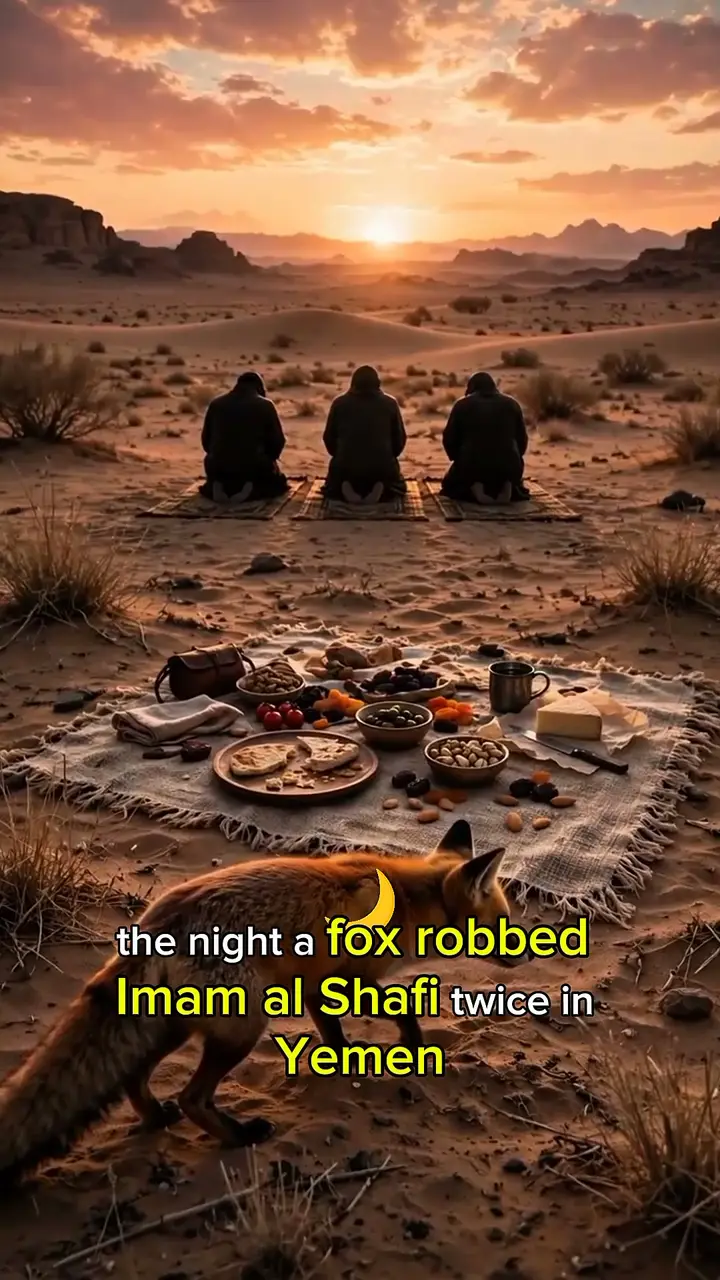 The Fox Came Back for Seconds 🦊🍗
 A Wolf Starts This 700-Year-Old Chain. A Fly Ends It. ⛓️🐺
 The Sneeze That Put a Cat on Noah’s Ark 🦁🐱