The Whole Entry, Quoted Complete
Here is the entire entry — beginning, middle, and end:
الجرادة المتلونة وجمعها برقان قاله ابن سيده.
“The colored locust; its plural is barqān — Ibn Sida said it.”
That is everything the book tells us about the locust called al-barqana. If you came looking for a swarm story, a plague, or a cure, keep walking. But if you like watching a medieval scholar think, this one line is worth slowing down for — because every word in it is doing a job, and most of those jobs are about words, not bugs.
الجرادة المتلونة — “the colored locust.” The noun جرادة is the single locust (جراد is the collective, the swarm-word), and المتلونة marks the variegated one — the locust that carries more than one color on its wings and armor. Classical Arabic is a language of distinctions: it does not just say “locust,” it says which kind, by the mark that sets it apart. Somewhere, centuries ago, an Arab looked at a locust with patterned wings and said: this one gets its own name. And the name held for a thousand years.
وجمعها برقان — “and its plural is barqān.” Here is the lexicographer's real prize. A plural is not decoration — it is proof that a word lived in people's mouths. Arabic plurals follow no single rule; you learn each word's plural the way you learn the word itself. By recording that the plural is برقان, the book certifies al-barqana as a genuine working word — the kind of word someone actually used when the sky went dark with wings.
قاله ابن سيده — “Ibn Sida said it.” A citation, medieval style. Ibn Sida — 'Ali ibn Isma'il of Denia, in Muslim Spain — was one of the giants of Arabic lexicography, a scholar blind from birth who compiled al-Muhkam (المحكم), one of the largest and most exact Arabic dictionaries ever written; he died in 1066. When al-Damiri writes “Ibn Sida said it,” he is doing what any serious writer does in any century: pointing at his source. The line is not his invention. It comes from the lexicon, and the lexicon is named.
Why One Line?
It is fair to ask why a book of five hundred-plus entries gives the colored locust a single sentence — especially when the book, further down its own alphabet, will reach the jīm chapter and give the locust proper (الجراد) its full entry, with everything the Arabs knew and believed about locusts. That chapter is still ahead of us, and this series follows the book in order.
The answer is in the shape of the book itself. Hayat al-Hayawan is not only a storybook; it is also, page after page, a dictionary of animal names. Whole runs of entries do one job: pin down a name — how it is read (like yesterday's البرا with its dammah), how its vowels fall (like البرغن with its two readings), what it means, who said so. The name entries are the book's foundation stones. The stories come later, in the full entries, where the animal gets its own room.
And there is honesty in the single line — the same honesty that made al-Damiri write one sentence for al-barā instead of inventing a bird. He would rather file a name and move on than pad a page. A thousand years later, that restraint is still good writing advice: say what you know, cite who told you, and stop.
The Honest Ledger
So here is the strict ledger, and I will not cross it. The entry confirms exactly this: (1) البرقانة is the name of a “colored,” variegated locust; (2) its plural is برقان; (3) the definition comes from Ibn Sida. That is the verified core. No description of the locust's colors, no habitat, no behavior, no remedies, no stories — the book gives none of that under this name. The full locust account, under الجراد, belongs to the jīm chapter, and when this series reaches it, the locust will get the full treatment it deserves. Until then: one line, three facts, and a blind Andalusian scholar standing behind them.
Frequently Asked Questions
What is al-barqana?
Al-barqana (البرقانة) is the classical Arabic name for a variegated, “colored” locust — a locust distinguished by its patterned, multi-colored body. The whole entry in Hayat al-Hayawan is a single line: the definition, the plural barqān (برقان), and the citation “Ibn Sida said it.” No description, behavior, or story accompanies it under this name.
Who is Ibn Sida, and why does the book cite him?
Ibn Sida ('Ali ibn Isma'il, d. 1066) was a great Andalusian lexicographer — blind from birth — who compiled al-Muhkam, one of the largest Arabic dictionaries ever written. Al-Damiri cites him the way a modern writer cites a source: to show the definition is borrowed from authority, not invented.
Will we learn more about locusts?
Yes — when this series reaches the jīm chapter. The book gives the locust its full entry under الجراد there, with the stories, beliefs, and details that al-barqana's one-line name entry does not carry. That chapter lies ahead of us in book order.

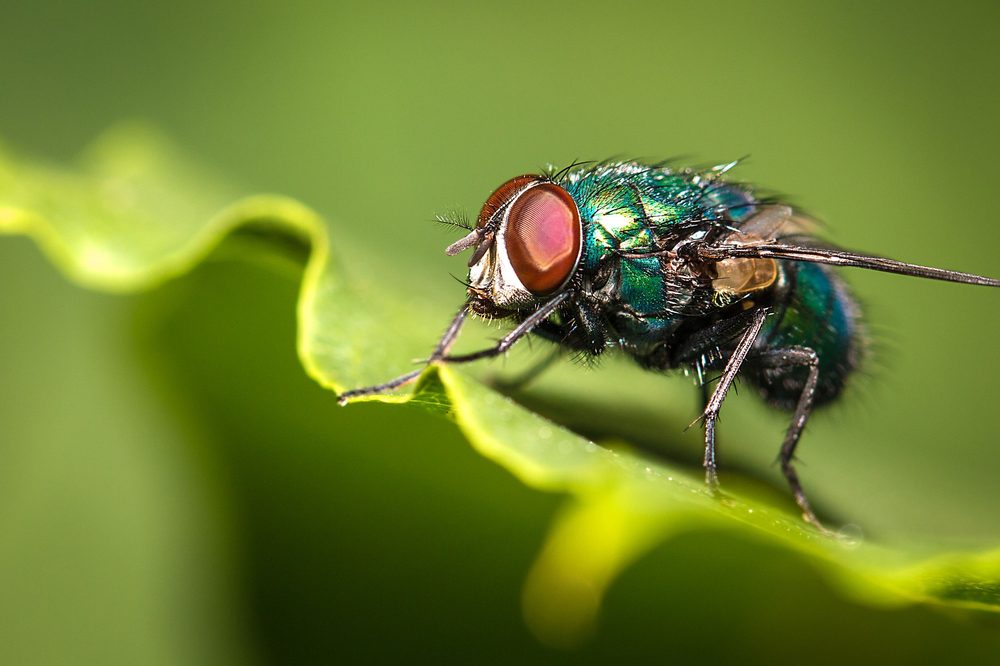 Green Fly Facts: The Shortest Entry in a 700-Year-Old Book (Akhaydar, الأخيضر ) 🪰
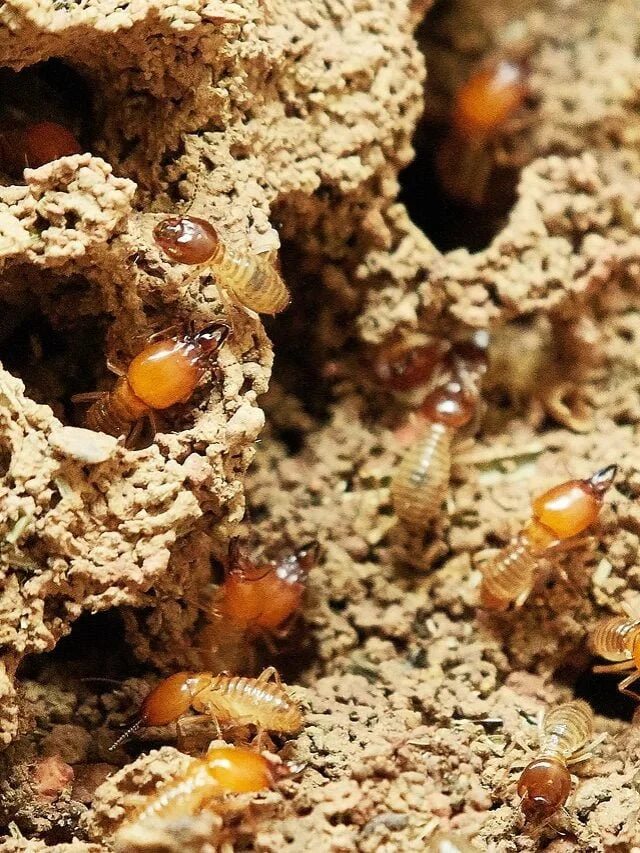 Half a Lentil, Yet Big Enough to Change History 🪵
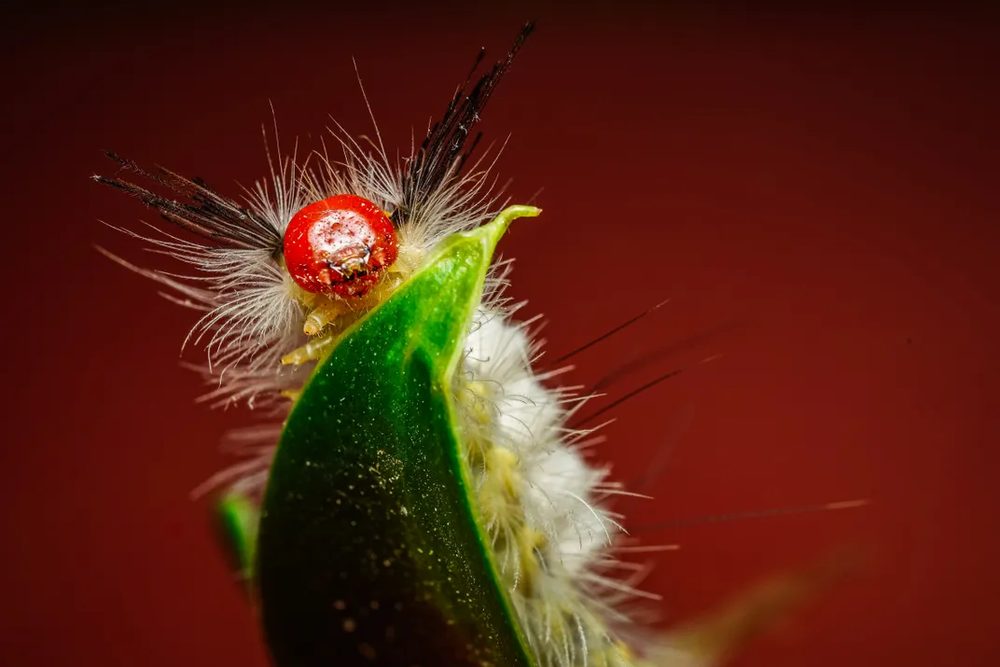 The Red Worm That Turns Into a Butterfly 🦋