The One Creature Nobody Loves
Everyone has a mosquito story. Mine usually ends with a bite on my ankle at 3 AM and a wall I can't reach to slap. But the medieval book I keep working through, Hayat al-Hayawan, doesn't treat the mosquito as a joke or a nuisance. It treats it like a marvel. A killer. A lesson from GOD packed into something smaller than your fingernail. I read the whole entry, and I kept shaking my head. This tiny thing gets more respect from a 14th-century scholar than most predators get from nature documentaries.
First, It's Not a Bedbug
Al-Damiri opens the entry with a little academic fight, which I love. Al-Jawhari, the famous dictionary man, said the mosquito (بعوضة, singular) is actually the bedbug (البق). Al-Damiri flat-out calls that a وَهْم — an error. Two different kinds, he says. The mosquito looks like the tick, he writes, but its legs are light and thin, and its moisture is visible. In Iraq and Syria, people called it al-jurjus (الجرجس).
Built Like an Elephant — With Extras
Then comes my favorite claim in the whole entry, and I read it three times to make sure I had it right. “The mosquito,” the book says, “is on the form of the elephant — except it has MORE organs than the elephant.” The elephant has four legs, a trunk, and a tail. The mosquito has all of that, PLUS two extra legs, four wings, and — this is the wild part — a hollow trunk. The elephant's trunk is solid. The mosquito's is hollow, piercing through to its interior. When it thrusts that trunk into your skin, it draws the blood up and hurls it into its belly. The trunk is its throat. An old rajiz poet put it better than I ever could: “Always buzzing... a knife is mounted in her trunk.”
The Sweat-Hunter
There's something almost eerie about how the book describes its feeding. GOD inspired the mosquito, al-Damiri writes, so that when it lands on your body, it doesn't just stab anywhere — it hunts for the pores where your sweat comes out, because that skin is the thinnest on your body. It puts its needle exactly there. Then its greed takes over: it drinks and drinks until it bursts and dies, or until it's so full it can't fly — and that fullness becomes the cause of its own death. Six hundred years ago, the book's verdict on the mosquito was: killed by its own appetite.
The Camel-Killer
This is where it stops being funny. “Among its wonders,” the book says, “is that it sometimes kills the camel” — and other four-legged animals. The camel drops in the desert, predators and carrion birds gather around it, and anything that eats a bite of it dies on the spot. And the entry casually mentions that one Iraqi tyrant turned this into an execution method: he'd strip a condemned man naked, carry him bound to the thickets of the southern marshes, and leave him there. The mosquitoes did the rest — in “the fastest time.”
The Day a Mosquito Killed a King
But the centerpiece of the entry — the story al-Damiri clearly thinks matters most — is Nimrod. Wahb ibn Munabbih's report: when GOD sent the mosquitoes against Nimrod's army, they came in numbers nobody could count. Nimrod fled his own army, locked himself in his house, sealed the doors, drew the curtains, and lay down thinking he was safe. One mosquito got in. It entered his nose and climbed to his brain. For forty days it tormented him, until he was beating his head against the ground, and the dearest person to him was whoever beat his head hardest. Then it fell out “like a fledgling,” speaking: “Thus does GOD set His messengers upon whom He wills of His servants.” And then he died. A poet summed the whole theology in one line: a mouse drowned the kings of Himyar, “and a mosquito killed the sons of Canaan.”
Worth Less Than a Wing
The entry collects the Prophetic tradition too — Tirmidhi's hasan-sahih report from Sahl ibn Sa'd: “If the world were worth a mosquito's wing to GOD, He would not have given a disbeliever a single sip of water from it.” Al-Hakim authenticated it as well. That's the book's moral pivot: the whole glittering world, weighed against a gnat's wing, and the wing wins. Abu al-Fath al-Busti's famous verses sit right beside it: “Do not take lightly a man's enmity, even if the enemy is small... and sometimes the mosquito wounds the elephant.” And the other one: “Do not belittle a small one in its enmity — for the mosquito draws blood from the lion's eye.”
The Soul of a Mosquito
There's a strange, beautiful passage near the end. Ja'far al-Sadiq reports that the Messenger of GOD said to the Angel of Death, watching over a dying believer: “Be gentle with my companion.” The Angel answered: “I am gentle with every believer, and there is no household I do not look over five times a day — and if I wanted to take the soul of a mosquito, I could not, until GOD's command to take it came.” The book draws the conclusion: the Angel of Death is entrusted with every soul, and in the mosquito's tiny brain GOD placed memory, thought, and recall; gave it sight, touch, and smell; made for it a passage for food and an exit for waste; gave it a belly, intestines, and bones. “Glory to Him who decreed and guided, and did not create any creature in vain.” Al-Zamakhshari had the book's final word carved, they say, on his own grave: “O You who see the mosquito stretch its wing in the darkness of the pitch-black night, and see the joints of its veins in its breast, and the brain in those frail bones...”
“Mosquito Blood”
One more, because I couldn't leave it out. Ibn 'Umar was asked about mosquito blood — whether it mattered, ritually. “Where are you from?” he asked the man. “From Iraq.” Ibn 'Umar said: “Look at this one — asking me about mosquito blood, when they killed the grandson of the Messenger of GOD!” — and reminded everyone that al-Hasan and al-Husayn were the Prophet's “two sweet basils in this world.” The tiniest blood, and the greatest blood, in one sentence.
The Ledger
The strict ledger, because this series never invents: (1) البعوض is “a little creature” — not the bedbug, despite al-Jawhari's error; (2) it resembles the tick, has light legs, is called al-jurjus in Iraq and Sham; (3) it is “on the form of the elephant” with more organs — six legs, four wings, a hollow trunk that drinks blood like a throat; (4) it seeks the sweat pores as the thinnest skin and drinks until it bursts or cannot fly; (5) it can kill camels and other animals, and an Iraqi tyrant used it as an execution; (6) a mosquito tormented Nimrod for forty days until he died; (7) the Prophet said the world is not worth a mosquito's wing to GOD; (8) the Angel of Death needs GOD's command even for a mosquito's soul; (9) the mosquito's brain holds memory, thought, and recall; (10) eating it is forbidden as foul; (11) proverbs: “rarer than a mosquito's brain,” “weaker than a mosquito.”
Frequently Asked Questions
Is the mosquito really built like an elephant?
That's what Hayat al-Hayawan claims — the book says the mosquito is “on the form of the elephant,” but with more organs: two extra legs, four wings, and a hollow trunk, while the elephant's trunk is solid. This is the author's marvel at a tiny creature's complexity, not a modern biology lesson. Read it as medieval wonder-writing, the way the book intended it.
Did a mosquito really kill Nimrod?
The book reports it from Wahb ibn Munabbih: GOD sent uncountable mosquitoes against Nimrod's army, one entered his nose and reached his brain, and he suffered forty days until he died. This is a traditional account the book preserves as history, not something I can verify — but it is the entry's most famous story, and poets quoted it for centuries.
What does Islam say about the mosquito?
The book gathers several traditions: the Prophet said the whole world is not worth a mosquito's wing to GOD; the Qur'an says GOD “does not shy from striking a parable of a mosquito” (2:26); and the Angel of Death reportedly needs GOD's command even to take a mosquito's soul. The book treats the insect as a small sign of GOD's power.

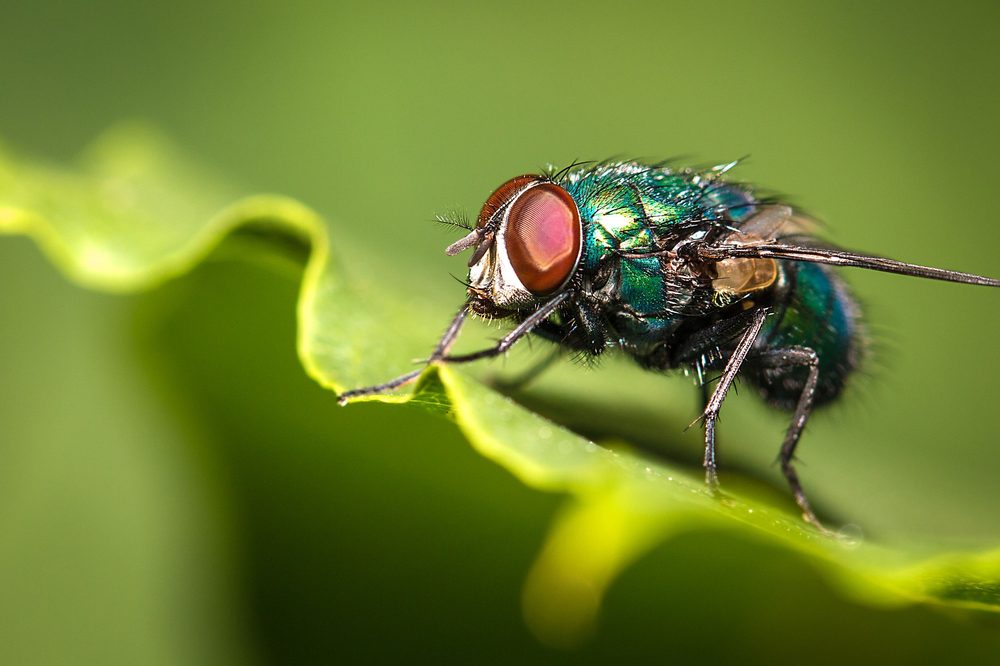 Green Fly Facts: The Shortest Entry in a 700-Year-Old Book (Akhaydar, الأخيضر ) 🪰
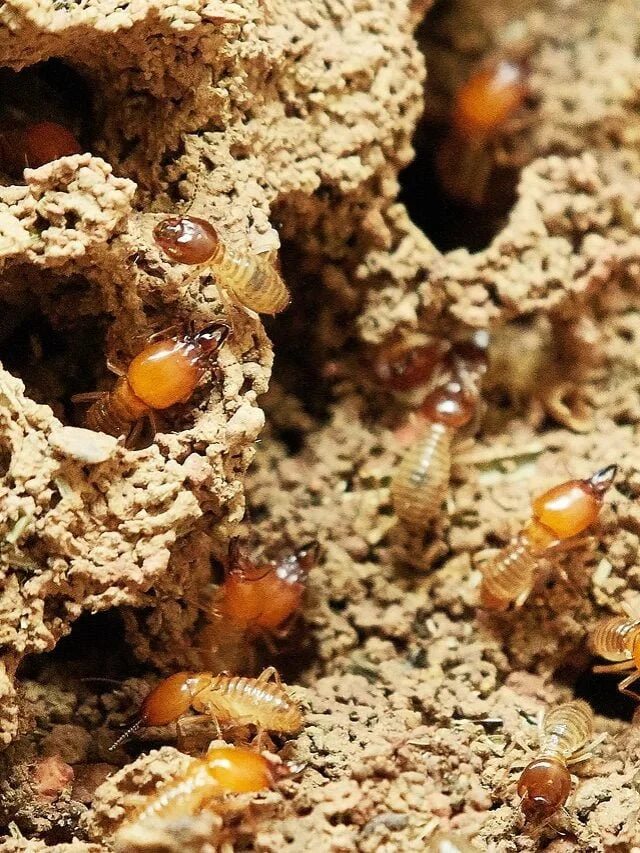 Half a Lentil, Yet Big Enough to Change History 🪵
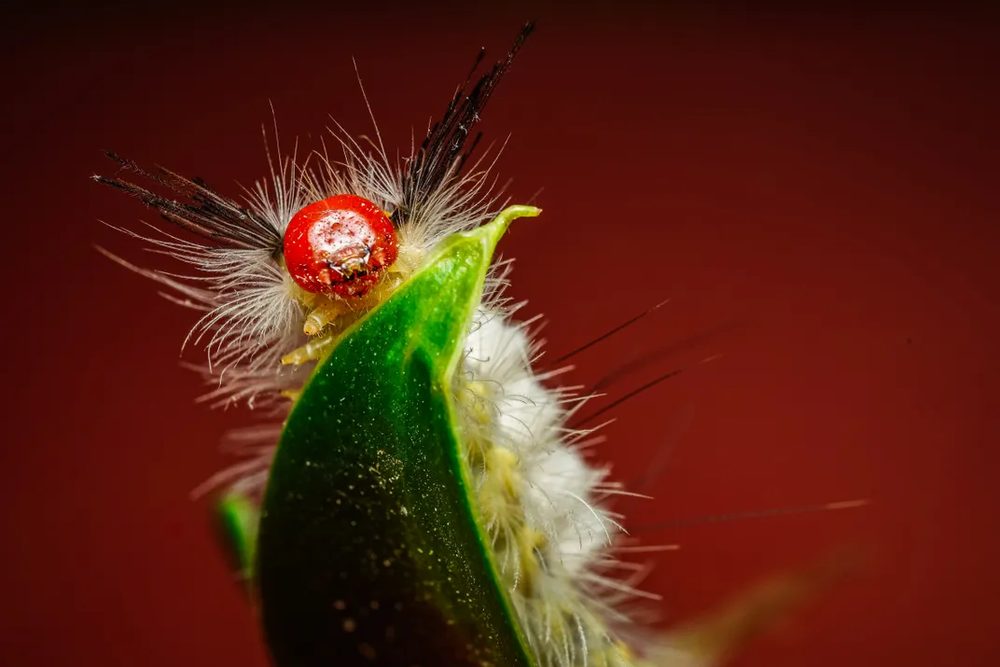 The Red Worm That Turns Into a Butterfly 🦋