Named for Lightning
The entry opens with the headline fact: al-Buraq is the beast the Prophet rode on the Night of the Isra' — and the book adds that the prophets rode it before him. Its name comes from al-barq, lightning flashing in the clouds.
That speed shows up in another famous image: the hadith of crossing the Sirat, where people cross “some like lightning, some like a storm wind, some like a noble horse.” The Buraq is lightning's cousin — the fastest thing in the sky, made into a mount.
Smaller Than a Mule, Bigger Than a Donkey
The Sahih description is almost disappointingly plain until you do the math: a beast smaller than a mule and bigger than a donkey, white, and it “places its stride at the farthest edge of its gaze.”
The farthest edge of its gaze. Wherever it can see, it lands. From that single detail the book draws the geometry: he was taken from earth to heaven in one stride — and through the seven heavens in seven strides.
And then the entry does something I love: it turns the Buraq into a debate weapon. Theologians had scoffed that Bilqis's throne could not be brought to Solomon in a single moment — too far, too fast. The book's reply: if a steed can stride to heaven, a throne can arrive in an instant. Checkmate, by Buraq.
“Are You Not Ashamed, O Buraq?”
Al-Suhayli records the moment the Prophet mounted: Gabriel rebuked the steed — “Are you not ashamed, O Buraq? No servant has ridden you more honored to GOD than Muhammad.”
Why would the Buraq need scolding? Ibn Battal's answer is almost tender: the Buraq had been waiting. It was the long separation from the prophets — the centuries between Jesus and Muhammad — that made it restless. A creature that had not carried a worthy rider in generations, suddenly startled by one.
I like that image: the fastest creature in creation, fidgeting with nerves after a centuries-long wait.
Why Not a Horse?
Here is the odd detail: the Buraq came in the form of a mule, not a horse. Why would heaven send the workmanlike mule instead of the noble horse? The book offers the wisdom behind it: to signal that this journey was in peace and safety, not war and fear. A horse means battle; a mule means a calm road.
Or — the grander reading — to make the miracle bigger. Wondrous speed in a beast not famed for speed is a louder proof than speed in a racehorse. The miracle is the point, not the animal.
(Someone raised the obvious objection: the Prophet rode a mule in battle too. The answer: that was to prove his prophethood and bravery. Different ride, different message.)
Al-Nawawi, the careful scholar, adds a footnote of honesty: the claim that all the prophets rode it needs a sound transmission. The shared-riding theory needed proof, and he said so.
White Steed, Gray Mule
One more color note: the Buraq was white; the Prophet's own mule was grayish, mostly white. The book reads that as a sign — he was singled out with the noblest of colors.
And here is a story I had not heard before: Ibrahim used to visit his son Ismail on the Buraq. When he brought Hagar and Ismail to the Sacred House, all three of them — Ibrahim, Ismail, Hagar — rode it. A family trip, on lightning.
The Return Trip
Abu al-Qasim al-Isfahani asks the puzzle: why did the Buraq carry him up to heaven but not bring him back down? His answer: it ascended with him to display his honor — and it did not descend with him, to display GOD's power. Or, in the book's other phrasing, the ascent itself pointed to the descent, the way the Qur'an's “coats to protect you from the heat” means also the cold, and “in His hand is the good” means also evil — Arabic saying half and meaning all.
Hudhayfa adds the quiet footnote: “He did not leave the Buraq's back until he returned.”
One disputed report, in al-Mustadrak, flips the picture — “I was brought the Buraq, and I rode behind Gabriel.” The book flags it honestly: its narrator, Abu Hamza Maymun al-A'war, is a man the scholars differed about.
Judgment Day
The Buraq is not done. On the Day of Judgment, the book says, the Prophet alone among the prophets will ride it — meeting the believers of his nation at the Gathering, with Fatima raised before him on his she-camel al-'Adba'. Salih gets his mount back too: GOD raises his she-camel, he milks it, drinks with the believers, then rides it to the Standing-place as it bellows. A man asked the Prophet: so you, on that day, on al-'Adba'? “My daughter Fatima will be gathered on that one,” he said, “and I will be gathered on the Buraq — I am singled out with it among the prophets.”
When Was the Night Journey?
Even the date was argued. Ibn al-Athir's verdict: Monday night, the 27th of Rabi' al-Awwal, one year before the Hijra. Al-Nawawi agreed in his commentary on Muslim — but in his fatwas, in the Book of Prayer, he said Rabi' al-Akhir. The Sirat al-Rawda said Rajab. And it happened at night, the book notes, so the distinction would show: between the daytime companion of the King and the nighttime one.
There is one more thing about this entry I have to mention, because it is pure al-Damiri: after the Buraq's facts, the entry quietly swells into the Prophet's entire biography — the Hijra, the battles, the marriages — folded inside an animal's entry. One beast, and suddenly the whole world comes along for the ride. That is this book. You open it for a lamb and find Judgment Day; you open it for a steed and get history.
Frequently Asked Questions
What did the Buraq look like?
White, smaller than a mule and bigger than a donkey — deliberately not a war-horse, the book says, to signal the Night Journey was one of peace and safety, not battle. It placed each stride at the farthest edge of its gaze, from which the book infers it crossed from earth to heaven in a single stride and through the seven heavens in seven strides.
Did Gabriel ride with the Prophet on the Buraq?
The scholars disagreed. Some said yes, Gabriel was his riding companion; the book's preferred view is no — the Night Journey was the Prophet's exclusive honor. A disputed report has it the other way round, with the Prophet riding behind Gabriel, but the book flags its narrator as contested by the scholars.
Will the Buraq appear on Judgment Day?
Yes — the book says the Prophet alone among the prophets will ride the Buraq on that day, meeting the believers at the Gathering with Fatima raised before him on his she-camel al-'Adba'. Salih gets his she-camel back too — GOD raises it, he milks it and drinks, then rides it to the Standing-place as it bellows.
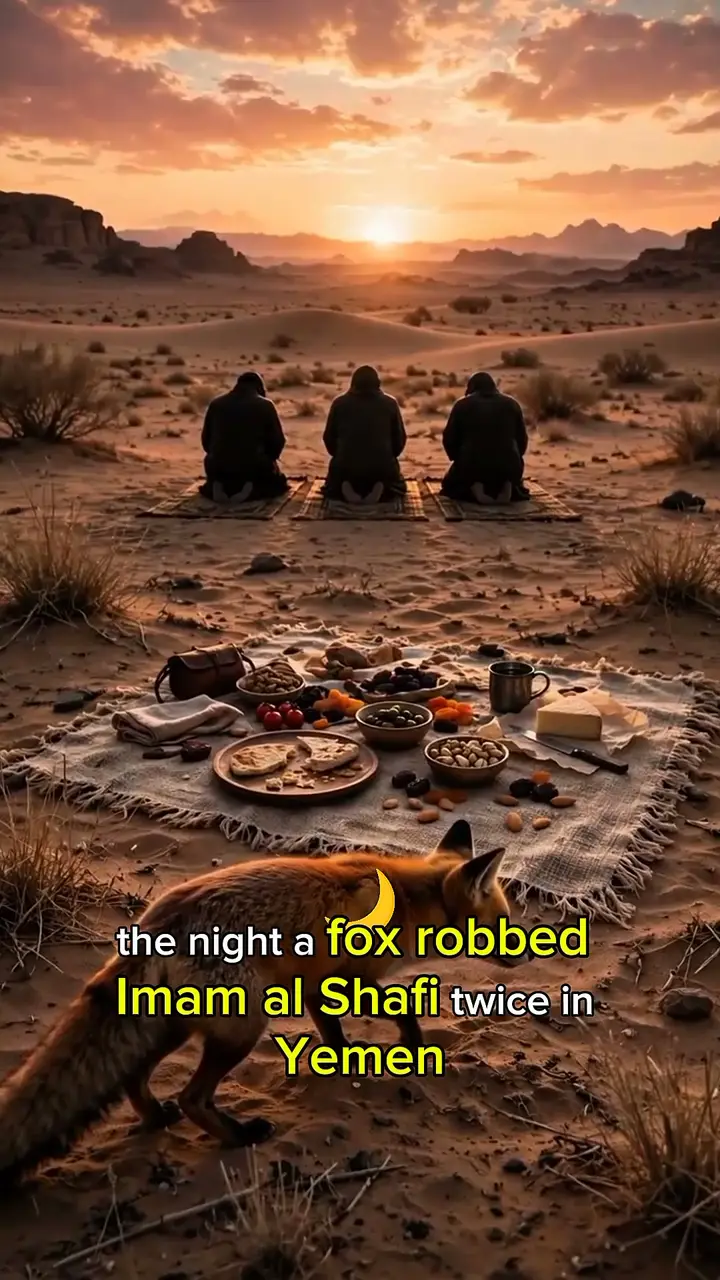 The Fox Came Back for Seconds 🦊🍗
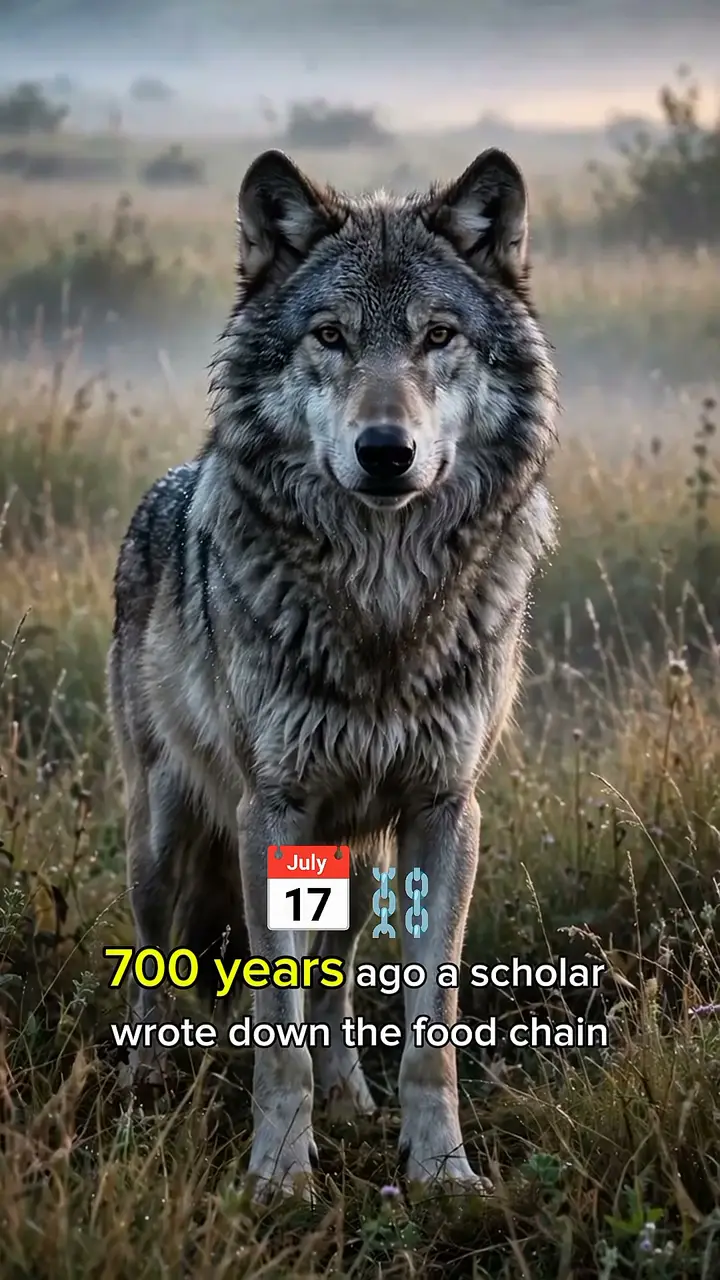 A Wolf Starts This 700-Year-Old Chain. A Fly Ends It. ⛓️🐺
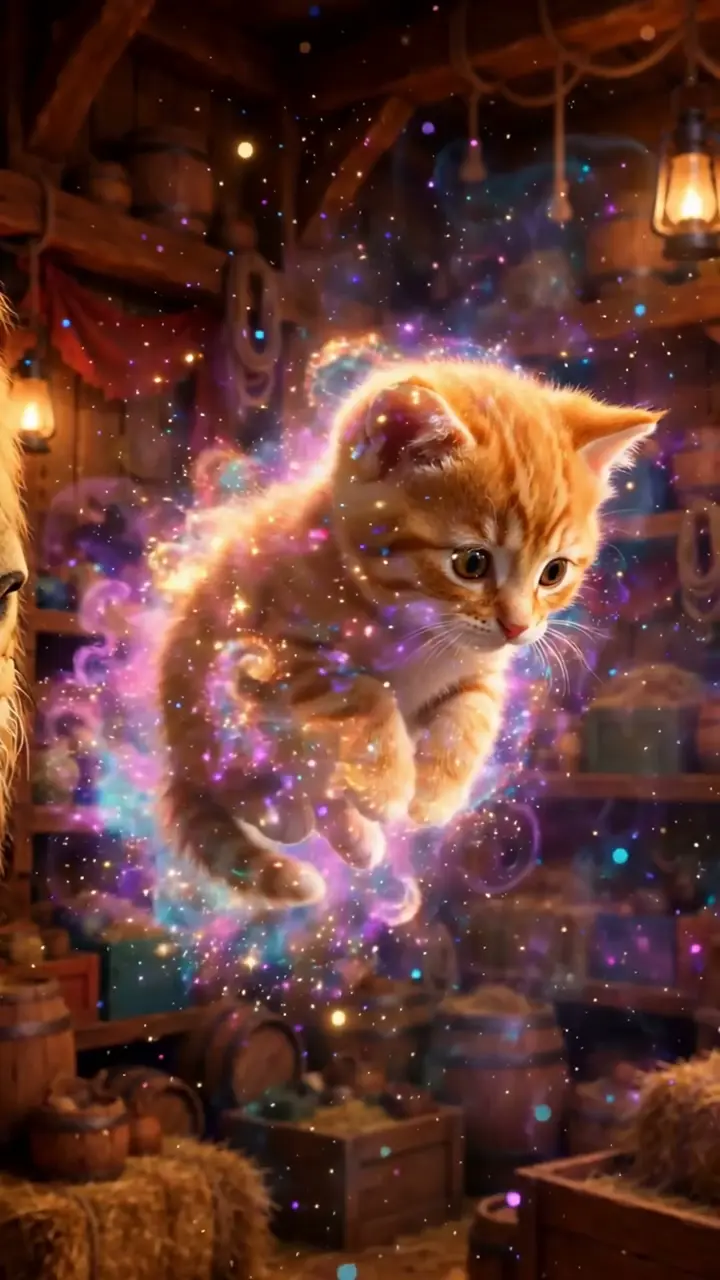 The Sneeze That Put a Cat on Noah’s Ark 🦁🐱