Some entries in this book are feasts. The lion got fifteen pages, the goose eighty. Al-ya'fur gets five lines. And yet those five lines quietly connect a desert fawn to a prophet's donkey, a poet's lonely road, and a word whose meaning the book itself leaves half-open. The fawn is barely there. The name it left behind is everywhere.[1]
The Fawn With Three Lives
The entry opens with a definition that is really three definitions at once. Al-ya'fur, it says, is the khashf — the fawn — and the young of the wild cow as well. And some scholars said something else again: that al-ya'afir, the plural, means the bucks of the gazelles, tius al-ziba'. So one word carries three young animals in it — a fawn, a wild-cow calf, and a young gazelle buck — and the book does not choose between them. It just lays them side by side, the way a dictionary does, and lets the reader hold all three.[1]
That looseness is the point, in a way. In the desert, a young animal is a young animal. The fawn that has just learned to stand, the calf of the wild cow still close to its mother, the young buck testing his legs — they are all the same shape of thing: small, fast, dust-coloured, and very hard to catch. The word al-ya'fur is less a species name than a stage of life, a word for youth itself in the animal world.[1]
The Loneliest Verse in the Book
The book gives the word one poem, and it is a lonely one. Bishr ibn Abi Hazim, an old desert poet, describes a place with no human company at all — "a land with no companion in it… except the ya'afir and the 'is." The 'is are the white camels. So the picture is this: an empty stretch of land, no people, no tents, no fires — just young gazelles and white camels moving through it. The fawn is not the subject of the verse. It is the scenery. It is what is left when everyone has gone.[1]
I like that the book quotes the verse and moves on without a word of comment. It trusts the image to do the work. A fawn at the edge of an empty land, with nothing but camels for company, says more about the desert than any description could. The animal is the proof that the land is alive, even when no human is watching.[1]
The Donkey Called Ya'fur
Then comes the entry's most famous line, and the reason this little fawn is remembered at all. In the hadith of Sa'd ibn 'Ubada, the Prophet ﷺ rode out on his donkey Ya'fur to visit him. The Prophet's donkey was named Ya'fur — the fawn.[1]
Think about that for a second. The mount of the Prophet of GOD was named after a young gazelle. Not after a lion, not after a storm, not after a king's horse — after a fawn. It is a gentle name for a humble animal, a donkey carrying a man to visit a sick companion, and it fits the errand perfectly. The book does not tell us anything else about the donkey — no colour, no speed, no story — just the name, and the visit it made. But a name is a story of its own. Somebody looked at that donkey and saw a fawn in it.[1]
Named for Its Colour — or Its Speed
Why was the donkey called Ya'fur? The book offers two answers, and then, with its usual honesty, refuses to pick one. It was said, the entry reports, that the donkey was named Ya'fur for its colour — al-'ufra, the dust-colour, the tawny grey-brown of desert sand. The book even gives the pattern: the way akhdar, "green," makes yakhdur, so 'ufra makes ya'fur. The name is a colour word, built the way Arabic builds colour words.[1]
Or — the second explanation — the donkey was named by likening its running to the ya'fur, the gazelle. Not the colour this time, but the speed: the way a fawn moves, light and quick across the ground. And then the entry ends the way it so often does, with the words "and GOD knows best."[1]
So we are left with a choice the book will not make for us. Was the donkey dust-coloured, or fast as a fawn? Maybe both. A donkey the colour of sand that ran like a young gazelle would earn either name honestly. The book keeps both answers alive, and so will I.[1]
A Short Entry, Honestly Told
That is everything the entry says. There is no ruling on eating the fawn, no remedy made from its parts, no dream interpretation, no second poem. Just a definition in three parts, one lonely verse, one famous donkey, and two explanations for a name. It is tempting to fill in the gaps — to describe the fawn's habits, or to invent a story about the donkey's ride — but this series does not do that. A five-line entry gets five lines' worth of facts, stretched out only as far as the truth allows. The fawn earned its place in the book the same way it earned its place in the donkey's name: not by roaring, but by being young, dust-coloured, and quick enough that people saw it and remembered.[1]
Frequently Asked Questions
What is al-ya'fur?
Al-ya'fur (اليعفور) is the fawn — the young of the wild cow — and some scholars said the plural al-ya'afir means the bucks of the gazelles. The entry gives all three meanings side by side without choosing between them, so the word covers the young of several desert animals.
Why was the Prophet's donkey named Ya'fur?
The entry gives two explanations. The donkey may have been named for its colour — al-'ufra, the dust-colour of desert sand, built the way akhdar makes yakhdur. Or it may have been named by likening its running to the ya'fur, the gazelle. The book reports both and ends with "and GOD knows best."
What does the Bishr ibn Abi Hazim verse say about the fawn?
The verse describes a land with no human company at all — nothing but the ya'afir and the 'is, the white camels. The fawn appears as the living proof that an empty desert is still alive: young gazelles moving through a place where no person is watching.

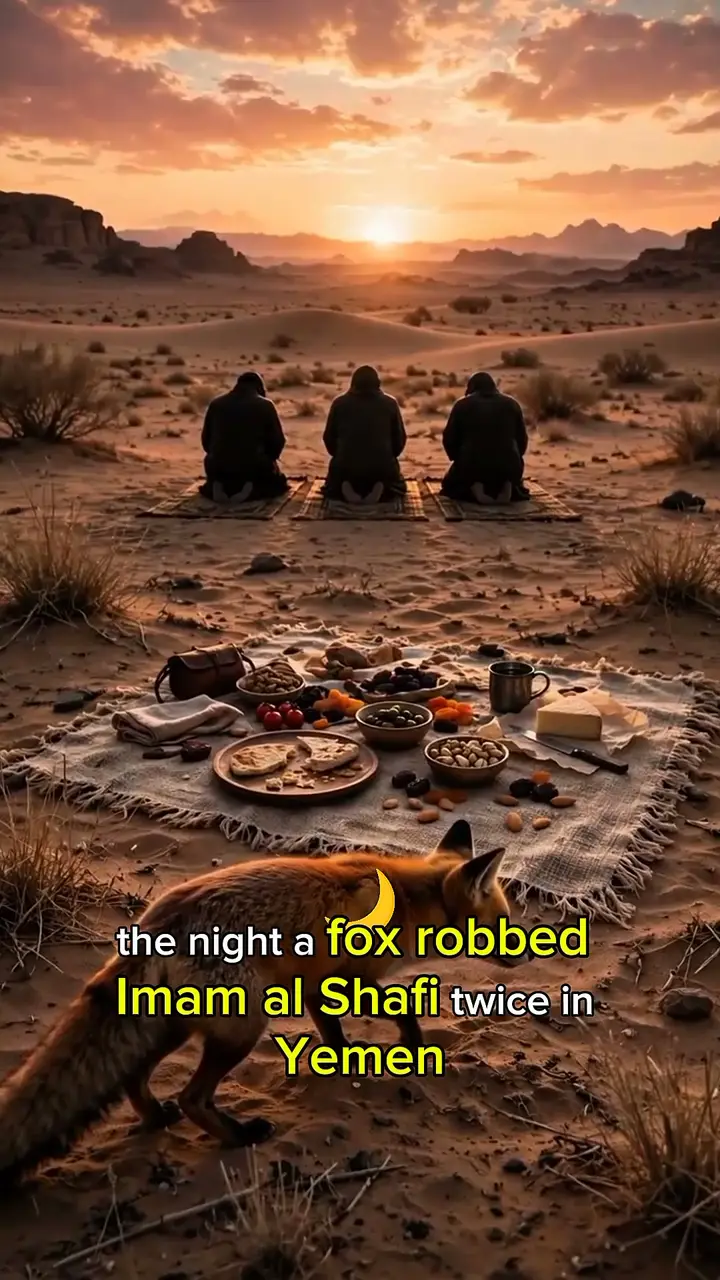 The Fox Came Back for Seconds 🦊🍗
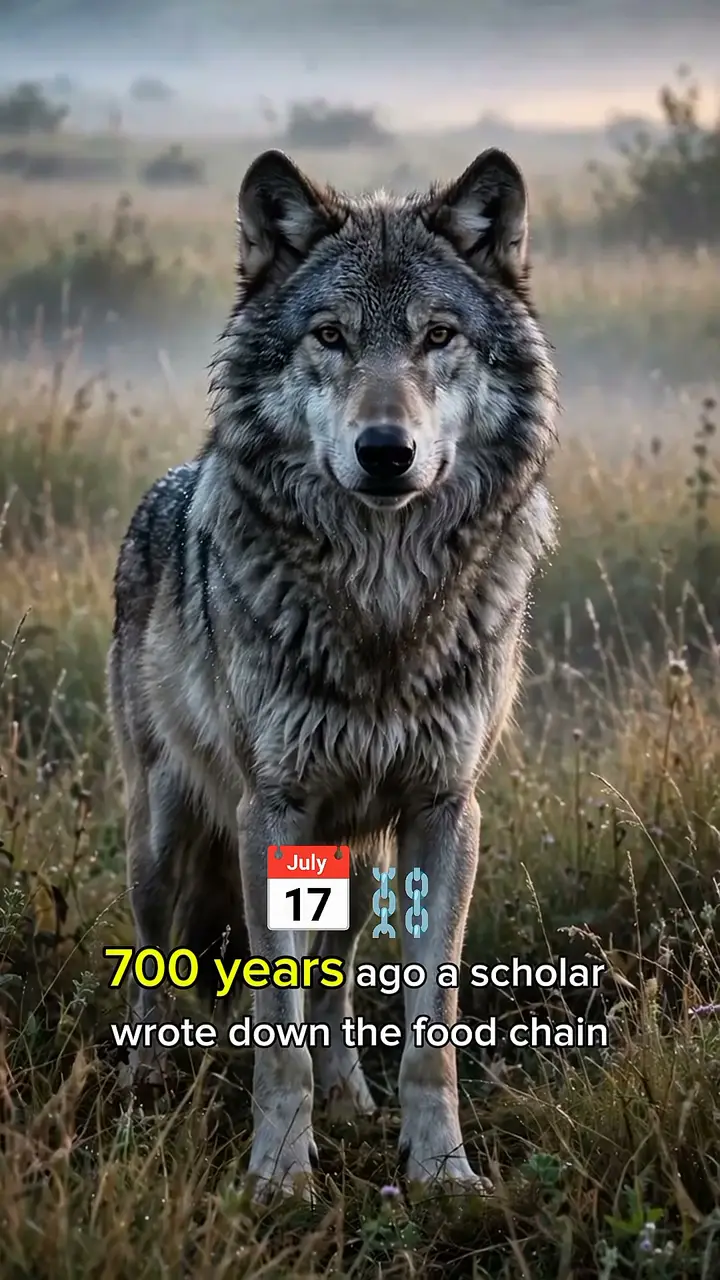 A Wolf Starts This 700-Year-Old Chain. A Fly Ends It. ⛓️🐺
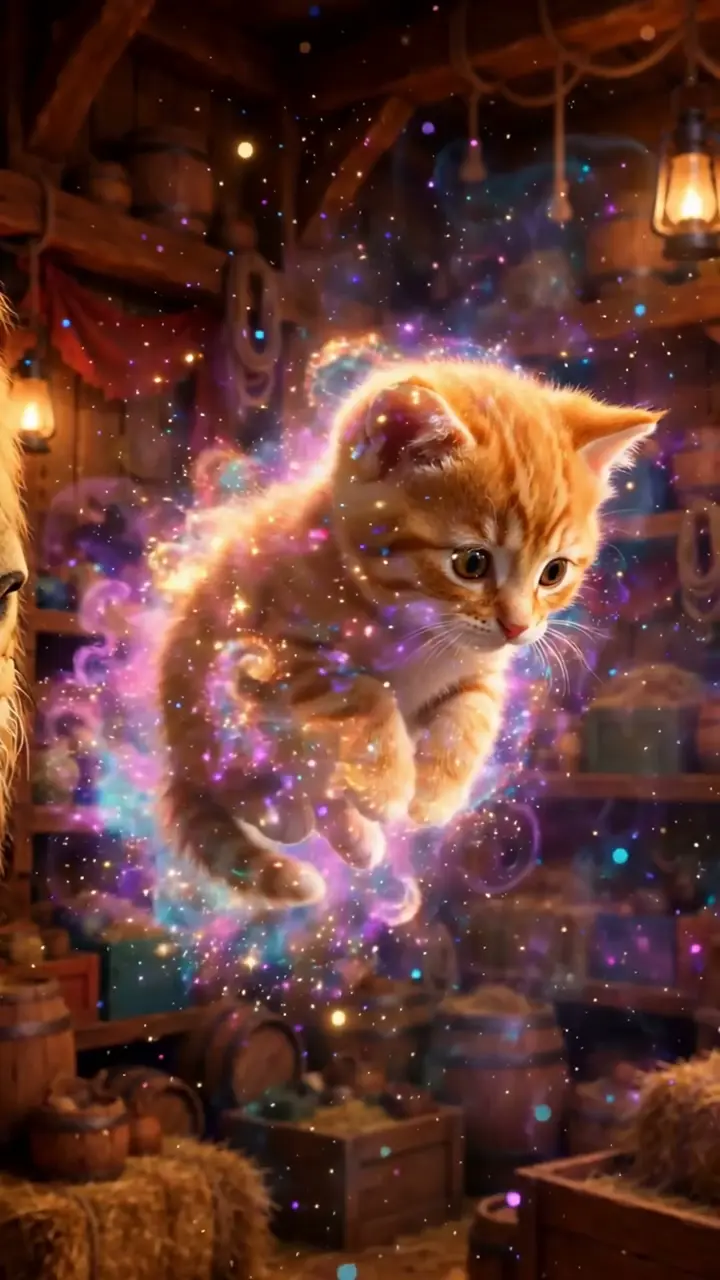 The Sneeze That Put a Cat on Noah’s Ark 🦁🐱