We are almost at the end of the book now. After months of lions and falcons, mules and mermaids, we have reached the last letter of the alphabet, and the entries have gone quiet. Al-yarqan gets two lines. No story, no poem, no remedy. Just a worm, a field of crops, and a transformation — and honestly, that one sentence might be the most beautiful thing in it.[1]
The Crop Worm That Becomes a Moth
Here is the entry, all of it: “It is a worm that lives in the crops, then it sheds its skin, and becomes a farash.” A crop worm. It eats the harvest, it grows, and then it slips out of its own skin and flies away as a butterfly or moth. In classical Arabic the word farash covers both, and the book does not bother to say which. The point is the change itself.[1]
Think about what the book is describing. A farmer watches his wheat and finds it crawling with worms. He knows what those worms are doing to his crop. And then one morning the worms are gone, and the air over the field is full of wings. Nobody then had a diagram of metamorphosis to explain it. Al-Damiri just writes it down the way a man would tell you something he saw: the worm was here, then it shed its skin, then it was a moth. Three beats, one sentence, and the whole miracle is folded into a single word — yansalikh, it sloughs off.[1]
That is the thing about this book. It can spend eighty pages on a goose and two lines on a miracle. The crop worm gets no fanfare because, to the people who lived with it, it was not a marvel. It was Tuesday. But read it now, seven hundred years later, and the sentence stops you cold.[1]
A Crop Called Mayruq
The entry leaves us one more gift, a single word. “A crop is said to be mayruq,” it says — زرع ميروق. When the worms had been at a field, the farmer did not need a long explanation. He had a word for it. The crop was mayruq: worm-struck, worm-eaten, full of yarqan.[1]
That is how you know a thing mattered to people's lives. When a creature is rare or distant, it gets poetry. When it eats your bread, it gets an adjective. Mayruq is a farmer's word, short and practical, the kind of word you use while standing in a ruined field and deciding what can still be saved. The book records it plainly and tells you who said it: Ibn Sida, author of al-Muhkam, one of the great dictionaries of Arabic. One sentence, one citation, and the book moves on.[1]
The Word That Outlived the Worm
The entry never says this, but the word itself tells you if you listen. In Arabic, al-yarqan is also the name for jaundice — the yellowing of the skin that comes with liver sickness. The book does not make the connection, and I will not invent one for it. But the shared name is worth sitting with for a moment. In the fields, yarqan is a worm that eats the crops and turns into a moth. In the body, a yellowing that turns a healthy face strange. Same word, two worlds. The worm's entry is two lines long; the word it is named by is still spoken in hospitals today. The worm is forgotten. The word survived.[1]
One Sentence at the End of the Book
There is one more thing worth noticing, and it is not about the worm at all. It is about where the worm sits. Al-yarqan stands near the very end of Hayat al-Hayawan. After it comes only one more entry — the fly, al-yasf — and then the book is done. We started with the lion, given fifteen pages of glory. We end with a worm in a wheat field, given a single sentence, and a fly. That is the shape of this book: it begins with a roar and ends with a whisper. And somehow the whisper stays with you longer.[1]
Frequently Asked Questions
What is al-yarqan?
Al-yarqan (اليرقان) is a worm that lives in the crops, according to Hayat al-Hayawan. The book's whole entry is one sentence: it is a worm in the crops, then it sheds its skin and becomes a farash — a butterfly or moth. The entry gives no description of its colour, size, or shape, and no story about it.
What does mayruq mean?
Mayruq (ميروق) is the word farmers used for a crop infested with al-yarqan worms. The entry says “a crop is said to be mayruq,” citing the great lexicographer Ibn Sida. It is a short, practical word for a worm-eaten field — the kind of word you use while standing in a ruined harvest.
Why is the al-yarqan entry so short?
The entry is a single sentence because that is all the book records about this creature — the worm, the shedding of its skin, the moth, and the word mayruq, all cited to Ibn Sida. It sits near the very end of the book, in the ya' chapter, with only the fly entry after it. The article adds nothing the book does not say.

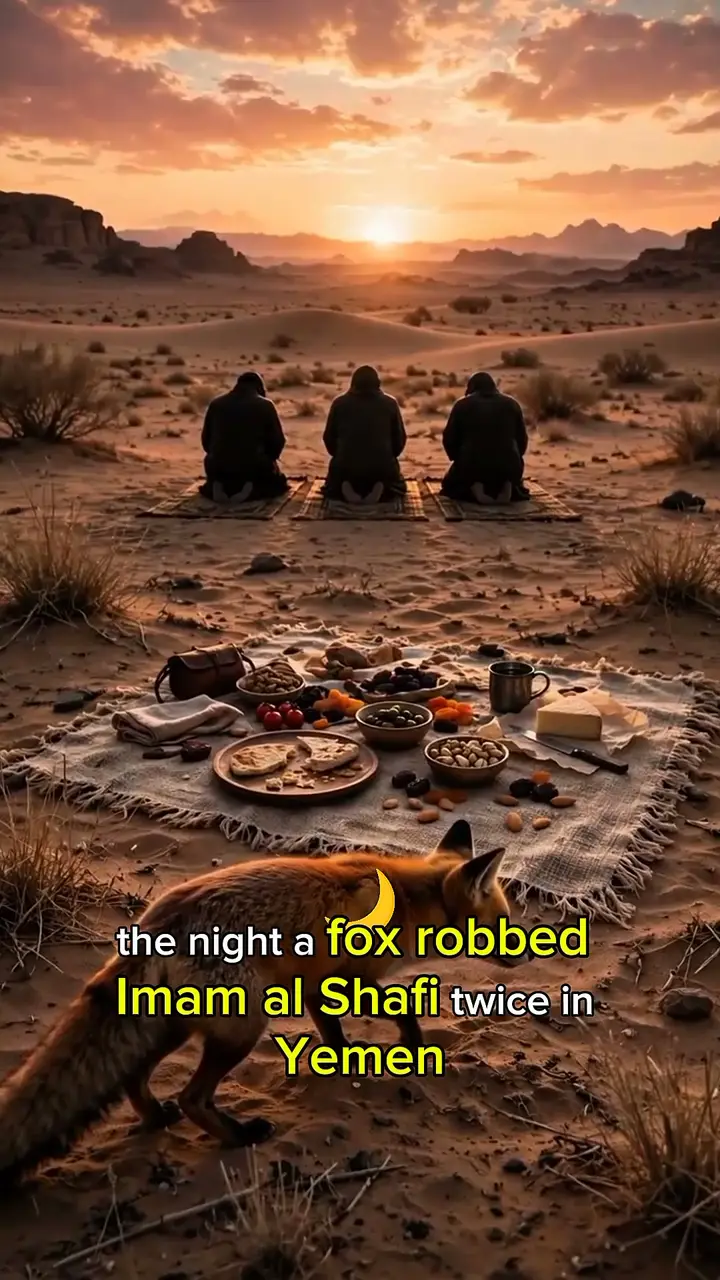 The Fox Came Back for Seconds 🦊🍗
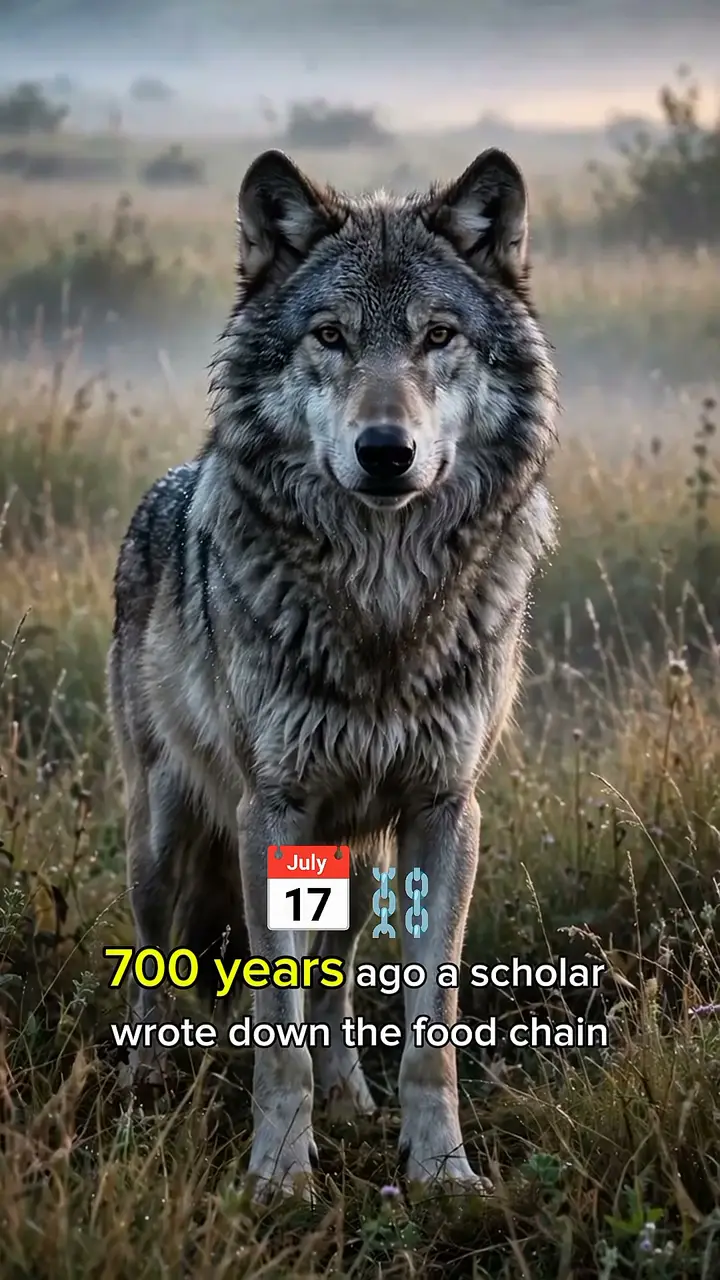 A Wolf Starts This 700-Year-Old Chain. A Fly Ends It. ⛓️🐺
 The Sneeze That Put a Cat on Noah’s Ark 🦁🐱