Four Words, One Wolf
Here is the whole entry, quoted complete:
كغراب الذئب الذكر.
Four words. And they need unpacking, because al-Damiri is speaking dictionary here, not story.
The first word — كغراب, “like ghurāb” — is not about crows. It is a pattern note. Arabic dictionaries teach you a word's shape by pointing at a word with the same shape: بَجَاق follows the pattern فُعَال, the way غُرَاب does. The entry is teaching you to say it right — ba-JĀQ, long ā, the way you say ghu-RĀB.
Then the meaning, flat and final: الذئب الذكر — “the male wolf.” Decoded, the entry reads: “Al-bajāq — pronounced on the pattern of ghurāb — means the male wolf.” One more name for the wolf, filed under ب, done in a single breath.
Why the Wolf Collects Names
This is not the first wolf name in this book. In the same alphabetical run we met الأوس — Aws — which the book treats as a name of the wolf, with poetry, a hadith about the wolf of al-Baqi', and the famous report of the wolf that fed the hyena's cub. A full entry, pages of it. Then comes بجاق: four words and gone.
The wolf collects names the way a wanted man collects aliases. Every language does this for animals that matter — the ones that threaten, the ones that fascinate, the ones people tell stories about at night. The wolf was all three for the Arabs: thief of flocks, howler at the camp's edge, hero of a hundred poems. So the language kept naming him — ذئب, سرحان, أوس, بجاق.
And notice what the book does not do here. No anecdote. No khawass. No “the wolf does this.” The بجاق entry is pure vocabulary — the dictionary side of Hayat al-Hayawan showing through. Al-Damiri is as much a lexicographer as a storyteller, and entries like this are him doing the lexicographer's duty: no real word left behind.
The Bajaq Ledger: What We Can Honestly Say
So here is the honest ledger, and I will be strict with myself. The entry confirms one thing: there is an Arabic word بجاق, shaped like غراب, meaning the male wolf. That is the verified core. The book gives no description of the animal under this name — no habits, no stories, no remedies. Everything else I can tell you about the wolf comes from the book's other entries, not this one — and this article keeps them separate.
Maybe that is the strange fact of this entry after all: a whole animal, reduced to a name and a pronunciation. Four words standing guard over a wolf most of us will never see, in a language most of us do not read. The name survived anyway. Names are stubborn like that.
Frequently Asked Questions
What is al-bajaq?
Al-bajaq (البجاق) is a classical Arabic word for the male wolf (الذئب الذكر). The entry is four words: a pattern note — “like ghurāb,” telling you the word is shaped فُعَال — plus the definition. No anecdote, no description; it is a pure vocabulary entry.
Does “like ghurab” compare the wolf to a crow?
No — and that is the trap of the four words. كغراب is dictionary shorthand for the word's pattern (وزن): بجاق is built like غراب (fuʿāl), which tells the reader how to pronounce it. The definition itself is simply “the male wolf.”
What other wolf names does Hayat al-Hayawan give?
In book order we have already met الأوس (Aws) — a full entry with poetry, the hadith of the Baqi' wolf, and the story of the wolf that fed the hyena's cub. Arabic tradition knows many more wolf names — ذئب, سرحان, and now بجاق — and the book keeps accumulating them as it moves through its alphabetical chapters.

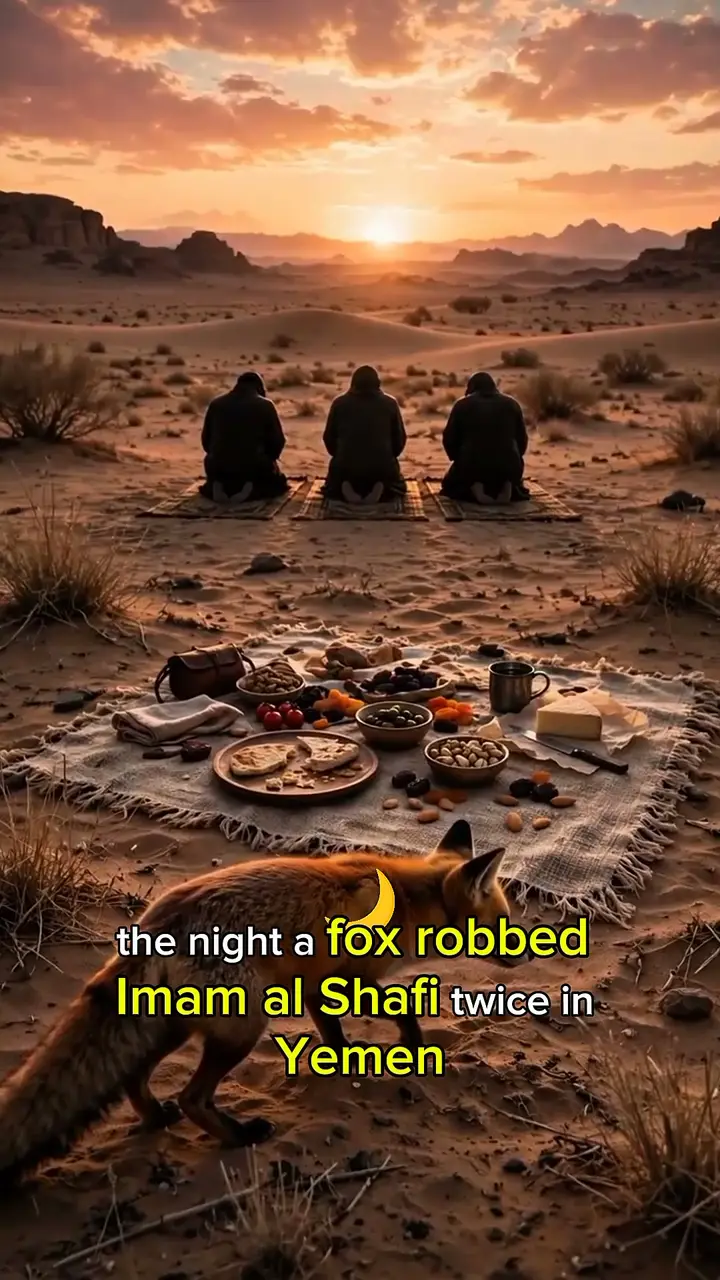 The Fox Came Back for Seconds 🦊🍗
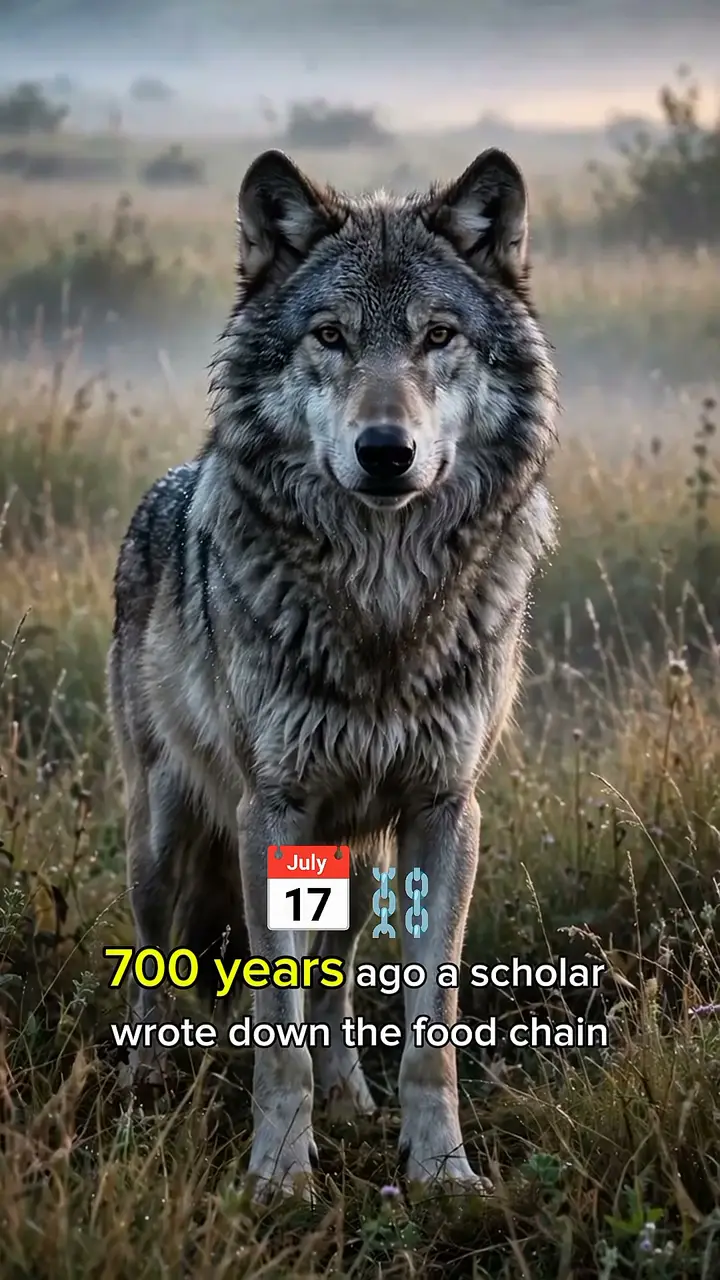 A Wolf Starts This 700-Year-Old Chain. A Fly Ends It. ⛓️🐺
 The Sneeze That Put a Cat on Noah’s Ark 🦁🐱