The Creature That Rewrites Itself
Every other animal grows up by getting bigger. The butterfly grows up by dissolving. Inside the chrysalis, the caterpillar's body breaks down almost completely, and a different creature — different legs, different eyes, wings folded like a letter — builds itself out of the pieces. I have read that process a dozen times and it still stops me. If you were designing a symbol for 'the end is not the end,' you could not do better than this. Human beings noticed thousands of years ago, and they built their hopes around it.
What the Butterfly Symbolizes
The oldest link is with the soul. In ancient Greek, the word psyche meant both 'soul' and 'butterfly' — the same word, because to them it was the same idea: something light, alive, and able to leave the body behind. From that root, the meanings grow in a straight line: transformation, rebirth, hope after darkness, and joy that returns after a season of crawling. In Christian art through the centuries, butterflies appear as emblems of resurrection — the stillness of the caterpillar, the sealed chrysalis, the winged life after. Different religions, different centuries, one picture: what looks finished is not finished.
When a Butterfly Lands on You
This is the moment everyone asks about. A butterfly can land anywhere — a flower, a stone, a fence post — and it chose your shoulder. In folk belief across many countries, that choice means something: good luck is landing on you, quite literally. Some say it is a blessing being delivered. Others say a loved one who died has come close, riding the lightest wings there are, just to sit with you for a second. The shared advice in nearly every tradition is the same: do not brush it off. Let it stay as long as it wants. Whatever it is, it came gently.
Butterflies After a Death, and Around the World
The connection with the dead runs deep and wide. In Japan, a butterfly is widely regarded as the soul of a person, living or departed, and a visiting butterfly can be received as a loved one returning. Irish folklore held similar ideas about butterflies and the souls of the dead. And in Mexico, the monarch butterflies arrive in their millions around the Day of the Dead, and families believe the souls of their ancestors ride in with them — the timing is so exact that the butterflies have become part of the festival itself. As for colors, folk tradition reads them like this: a white butterfly means purity and a spirit near; an orange monarch means the ancestors and celebration; a black butterfly means change — an ending, but also the start of the next thing.
What People Believe a Butterfly Signals
The traditional signals: a big change is coming and it will be for the better; healing has begun; a season of heaviness is lifting; and someone you love, gone from sight, is not gone from you. I will add the plainest one, because it might be the truest: the butterfly signals that the crawling stage counts. The caterpillar was not a failed butterfly. It was a butterfly under construction. GOD seems to have written that sermon into an insect on purpose.
Frequently Asked Questions
What does it mean when a butterfly lands on you?
Traditionally, it is read as a blessing: good luck arriving, a departed loved one's visit, or a sign that a personal change is unfolding well. Most traditions advise letting it rest and fly off in its own time.
What does a white butterfly mean?
In folk belief, a white butterfly symbolizes purity, peace, and the nearness of a spirit — often a loved one who has passed. In Japan, white butterflies are specifically linked to the souls of the dead.
Do butterflies really carry the souls of the dead?
That is a belief, held for centuries in Greek, Japanese, Irish, and Mexican traditions among others — not something anyone can prove. The monarchs' arrival in Mexico at the Day of the Dead is a real, observable event; what rides with them is a matter of faith.

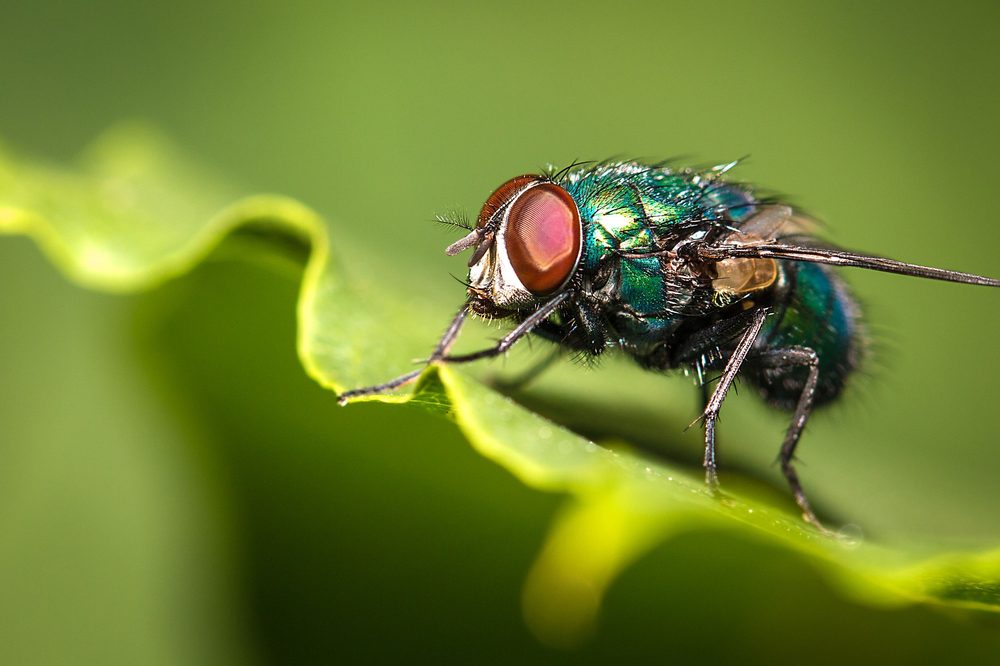 Green Fly Facts: The Shortest Entry in a 700-Year-Old Book (Akhaydar, الأخيضر ) 🪰
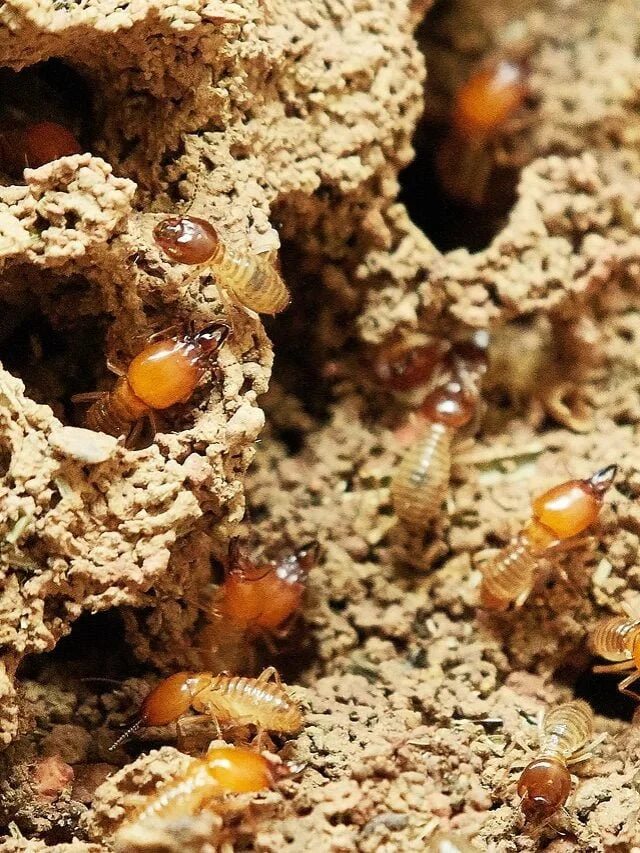 Half a Lentil, Yet Big Enough to Change History 🪵
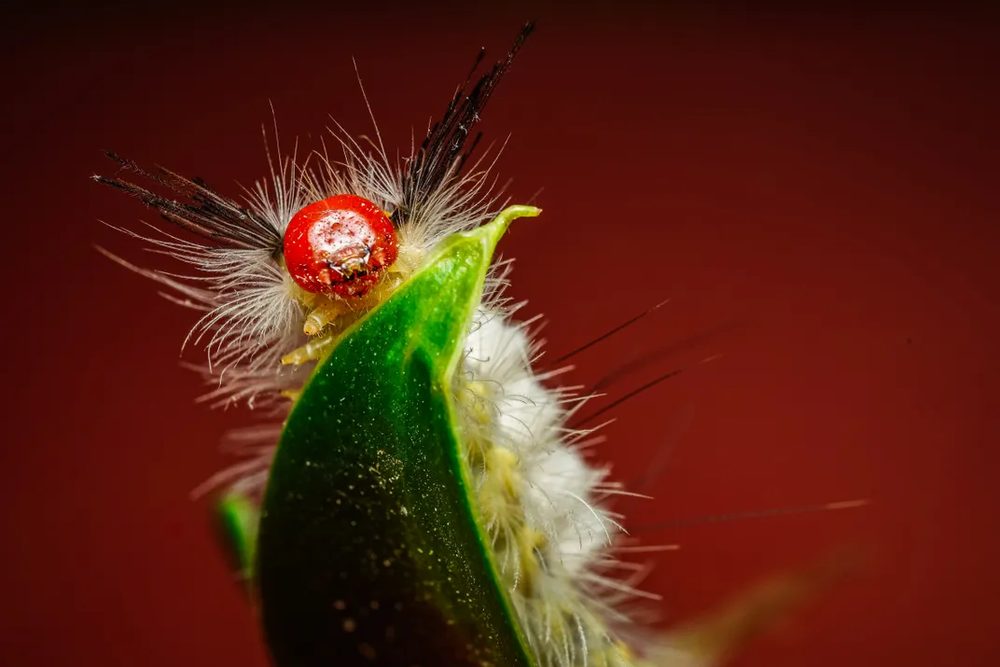 The Red Worm That Turns Into a Butterfly 🦋