Four animals competing for one name
Every so often, al-Damiri's book gives up on identifying an animal entirely — and the entry for the utum — الأطوم — is the best example I've found. The entry is one paragraph long. It contains four completely different animals. And the book never picks a winner.
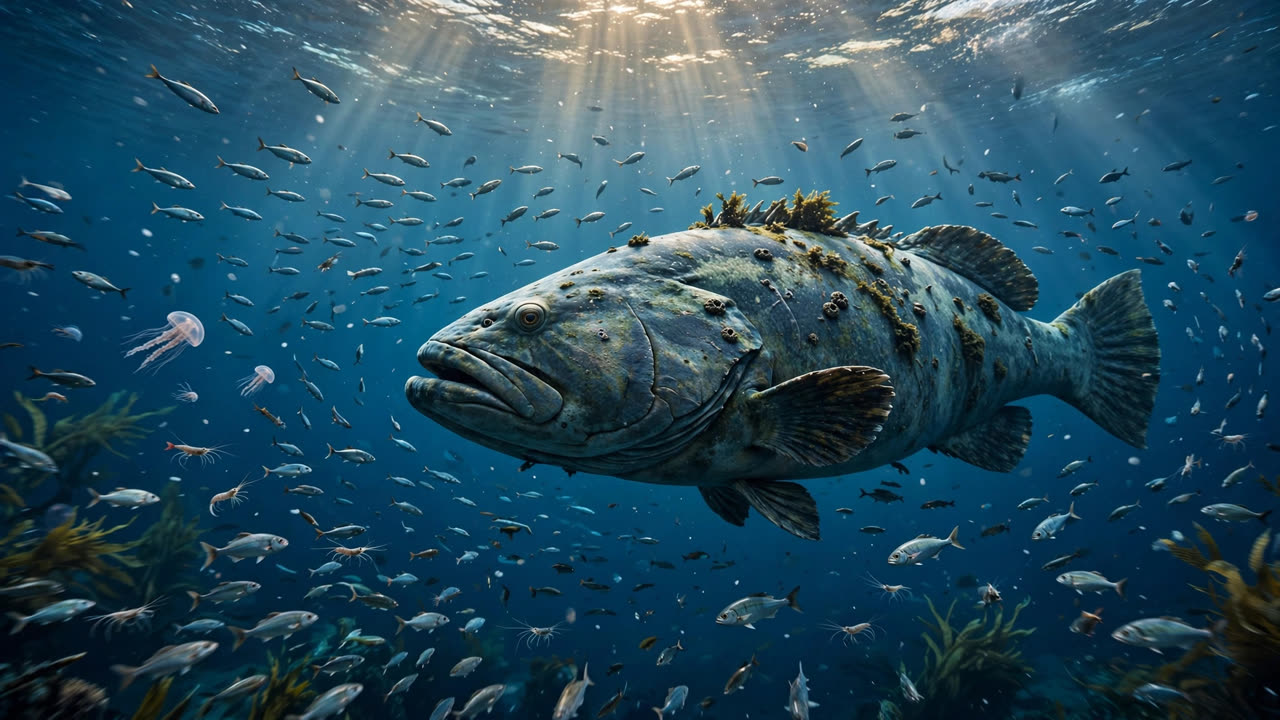
The great lexicographer al-Jawhari opens the bidding: he says the utum is like the anuq — the sea turtle. Fine. A sea turtle; we can picture that. But then other scholars weigh in with something else: no, it's a fish. A fish with skin so thick and tough it's like a camel's hide — and here is the detail that makes this entry worth the price of admission — they made boots out of it. Boots, for camel drivers. The medieval world was stranger than we usually give it credit for.
Then the entry swerves again. Some said the utum is the hedgehog. And some — this one is Ibn Sidah, a serious scholar — said it's the cow. The cow, he explains, was named utum by resemblance to the fish: its hide is so thick it recalls the fish's hide. So the cow is named after the fish, which may not be the fish, which may be the turtle. A chain of resemblances, each link pointing at a different animal.
Fish-hide boots and a wandering word
What I love about this entry is what it shows about how medieval natural history actually worked. Nobody panics. Nobody throws out the disagreement or demands a recount. Al-Damiri just lines up the opinions — turtle, fish, hedgehog, cow — and lets them stand next to each other like specimens on a shelf. The method isn't “find the single correct truth.” It's “record everything the word ever touched.” The utum isn't really an animal so much as a word that wandered through the sea, the desert, and the farmyard, collecting meanings the way a fishing net collects whatever it drags through.
I think it's something more honest. When you don't know what a word's animal is, you write down everything you heard — and centuries later, the confusion itself becomes the document. We learn less about the turtle, and more about the people who named things.
And the boots stay with me. Somewhere in the 1300s, a camel driver may have walked the caravan routes in fish-hide boots, and al-Damiri thought that was important enough to preserve in a book of wonders. He was right. Of all the animals in the entry, that's the one I can see.
Frequently Asked Questions
-
Which four animals are called utum in the entry?
The article lists four competing identifications. Al-Jawhari compares the utum with the anuq, or sea turtle. Other scholars call it a thick-skinned fish, some identify it as a hedgehog, and Ibn Sidah says it can mean a cow. Al-Damiri records every view without choosing a winner.
-
What were utum fish skins used for?
One definition describes a fish with skin as thick and tough as a camel’s hide. The article says that this skin was made into boots worn by camel drivers. That detail links a sea animal with desert travel and gives the brief dictionary entry one of its most vivid surviving images.
-
Why could utum also mean a cow?
Ibn Sidah explains that the cow was called utum because its thick hide resembled the hide of the fish bearing the same name. The article presents this as a chain of resemblance: the cow points to the fish, while other authorities point the word toward a turtle or hedgehog instead.

 Al-Ilas: The Uncatchable Fish That Could Turn Enemies Into Friends 🐟
 Balam: The Mystery Word Behind Paradise's Feast of Bull and Whale 🐂
 Fish: Al-Butas ( البطس ) — the Fish That Wrote Books in the Dark 🐟