Al-Aws Means Wolf. Parents Named Their Kids “Wolf.”
The entry opens with plain etymology: al-aws means “the wolf” (الذئب), “and by it the man was named.” Arabs really did name their sons after the wolf — the way other cultures use lion or eagle names.
Then it gets tender. “Uwais” (أويس) is the diminutive of aws — a little wolf, so to speak — built on the same pattern as Kumayt and Lujayn. Diminutives in Arabic are often affectionate. The desert's most feared sheep-raider had a pet-name form.
The Wolf That Raised Another Animal's Baby
The poets knew the wolf's day job: livestock theft. Al-Hudhali wrote, “I wish I knew about you — and the matter is momentous — what Uwais did to the sheep today.” The wolf, named like a person, addressed like gossip.
But al-Kumayt's verse takes a turn I didn't expect: “Just as Umm Amir dozed in her embrace... until Aws raised her children.” Al-Jawhari explains: when a hyena (nicknamed “Umm Amir”) is hunted down, and she has a cub fathered by a wolf, the wolf keeps feeding her cub until it grows up. The wolf whose mate was killed doesn't abandon the orphan — he raises it. The book promises the fuller version under al-isbar, the hyena-wolf hybrid entry, later in book order.
The Wolf at the Funeral
Al-Hafiz Abu Nu'im reports, through Hamza ibn Asad al-Harithi: the Prophet went out to Baqi' al-Gharqad for the funeral of an Ansari man — and there was a wolf lying there, “spread out on its forearms.” The Prophet said: “This is Uwais — so make a stipend for him.” And they did not.
A wolf showed up at a funeral, got called by a human name, and was ordered a stipend. Nobody paid it. The book promises more later: the delegation of wolves, filed under al-dhi'b in the dhal chapter.
The Saint Who Carried the Wolf's Name
And this is where the word becomes a person: “By this name was named Uwais ibn Amir al-Qarni — he reached the Prophet's time but did not see him, and he lived in Kufa, and he is among the greatest of the Tabi'in.”
A man really was named after the wolf-word, and he became one of the most beloved figures of early Islamic history. Muslim reports, through Umar: the Prophet said, “The best of the Tabi'in is a man called Uwais al-Qarni. He will come to you with the reinforcements of the people of Yemen. If he swears by GOD, GOD fulfills it — so if you can have him seek forgiveness for you, do so.” When Uwais came to Umar, Umar asked, and he sought forgiveness for him. Uwais was later killed at Siffin alongside Ali.
Then the entry closes with reports about his rank: Ahmad ibn Hanbal in al-Zuhd, from al-Hasan al-Basri — “More will enter Paradise by the intercession of a man from my ummah than the tribes of Rabi'a and Mudar.” Al-Hasan said: it is Uwais al-Qarni — adding that al-Jawhari made a famous error about the Qarn attribution. Ibn al-Sammak gives a similar report, which the elders guessed was about Uthman ibn Affan.
A word that starts as “the wolf” ends up belonging to a man the Prophet called the best of a generation.
Frequently Asked Questions
Why would anyone name their son “Aws” — wolf?
The wolf meant power, cunning, and endurance in Arab culture — the same instinct behind lion or eagle names elsewhere. The entry states it as plain etymology: the man's name Aws comes from the wolf-word al-aws, and the diminutive Uwais means “little wolf.”
Did the Prophet really call a wolf “Uwais” at a funeral?
That's what the entry reports, through Abu Nu'im's chain: at Baqi' al-Gharqad the Prophet saw a wolf lying on its forearms and said, “This is Uwais, so make a stipend for him” — which the people did not do. It's a transmitted report, cross-referenced to the fuller wolf-delegation story under al-dhi'b.
Who was Uwais al-Qarni, and why does his name matter here?
A Yemeni of the Tabi'in generation who lived in the Prophet's era but never met him, settled in Kufa, and was described — via Umar's report in Muslim — as “the best of the Tabi'in,” a man whose word GOD Himself fulfills. Killed at Siffin with Ali. His name is the same diminutive, Uwais, as the wolf's nickname — exactly why al-Damiri filed his whole biography inside a wolf's entry.

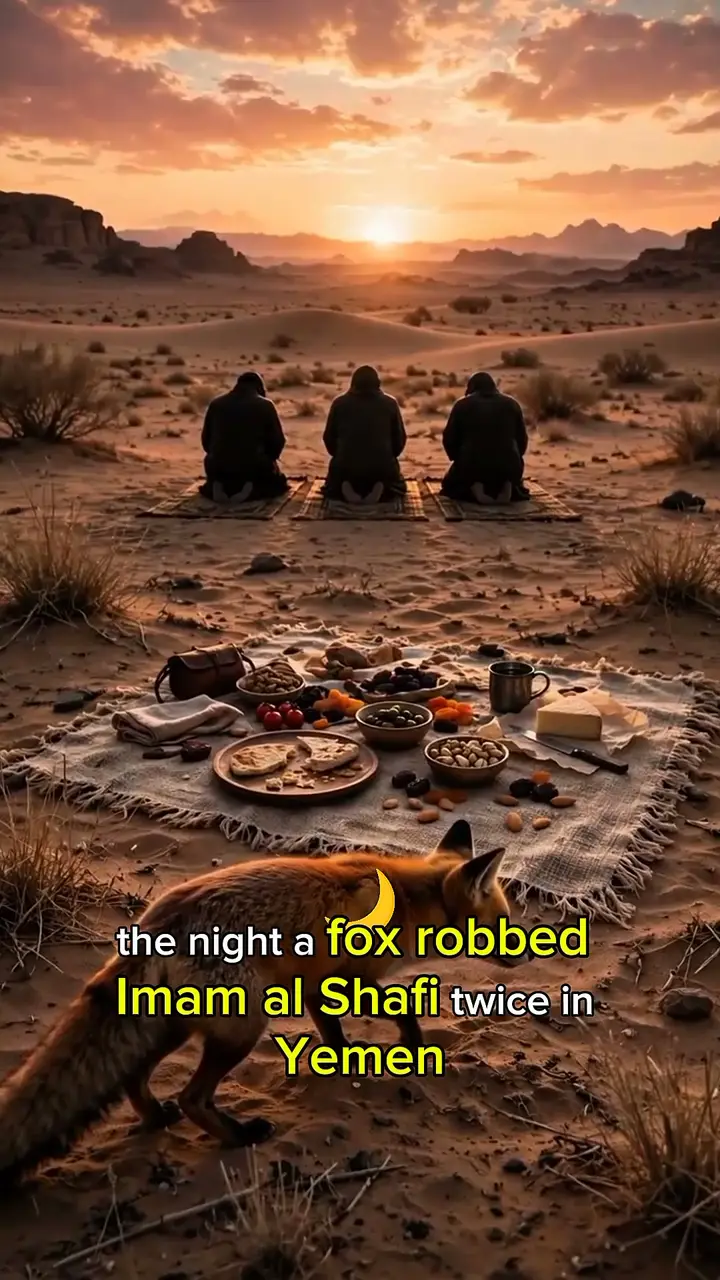 The Fox Came Back for Seconds 🦊🍗
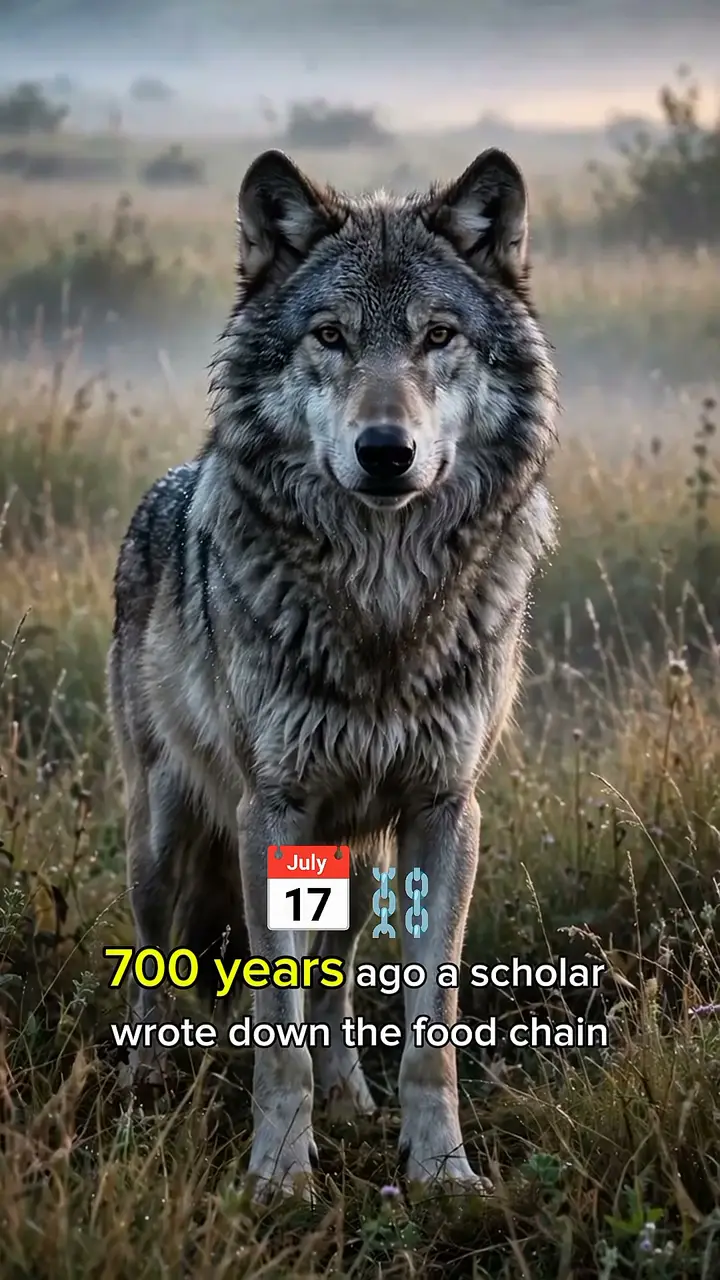 A Wolf Starts This 700-Year-Old Chain. A Fly Ends It. ⛓️🐺
 The Sneeze That Put a Cat on Noah’s Ark 🦁🐱