Same page, next heading, and the book gives us a camel in a single sentence that manages to be both a compliment and an insult. The awraq: the best meat on four legs, and the worst employee in the caravan. You can't help liking a line this blunt.
What “Awraq” Actually Means
Start with the color, because al-Damiri does: the awraq is “of camels, the one whose color is white to black.” Not white, not black — white-darkened, the in-between shade. In English we'd say gray; the book says it the medieval way, by naming the two ends of the scale and letting your eyes find the middle.
Again the citation is al-Jawhari — the great lexicographer of the Sihah dictionary — the same authority who vouched for the jerboa one entry up. When al-Damiri writes “al-Jawhari said it,” he's telling you this came from the word-hoard, not from a traveler. The color term itself is the fact.
The Tastiest Meat on Four Legs
Then the sentence turns delicious: the awraq, he says, is “the tastiest of camels in meat.” Of every camel in Arabia, this gray one's flesh wins the prize.
One thing I have to say here, because the rule matters: that's the book's claim, not a cooking tip. Hayat al-Hayawan is full of these medieval food opinions — centuries-old palates talking about centuries-old camels. It's a historical curiosity about what the desert valued, not a restaurant review. Nobody should order a camel based on a 700-year-old line.
But Don't Hire One
And then the pivot — the second half of the sentence, delivered with the same straight face: “and it is not praised among them for its work and its pace.”
The best-tasting camel is the worst-working camel. Slow, weak, unfit for the road — while the fast caravan camels with the glossy coats presumably tasted like... well, the book doesn't say. There's a whole desert economy compressed into this line: the camel you ride and the camel you eat were different animals, chosen for different gifts, and everyone knew which was which.
I think about the camel-herders behind this sentence. Generations of them, watching gray camels lumber along at the back of the caravan, chewing their cud, arriving last — and going: yes, slow. But oh, that meat. The entry is one line long, but you can hear the campfire conversation in it.
Frequently Asked Questions
What color is the awraq camel?
Gray — specifically, the book defines it as a camel “whose color is white to black.” Medieval Arabic color words often work this way, naming the two ends of a shade rather than giving it a single abstract label; “gray” is our modern one-word equivalent.
Why is the gray camel not praised for work?
The entry states it plainly — among camel people it was “not praised for its work and its pace” — without giving reasons. The likely reading is that this was the received wisdom of desert camel culture: the gray camel's gift was its meat, not its legs, and the book records the judgment without arguing it.
Should I take the “tastiest meat” claim as a fact?
Take it as history, not a recipe. It's a medieval food judgment reported through al-Jawhari and al-Damiri — a window into what 14th-century desert culture valued in a camel. The book presents it as received wisdom; we present it as a historical curiosity, like the rest of its medieval claims.

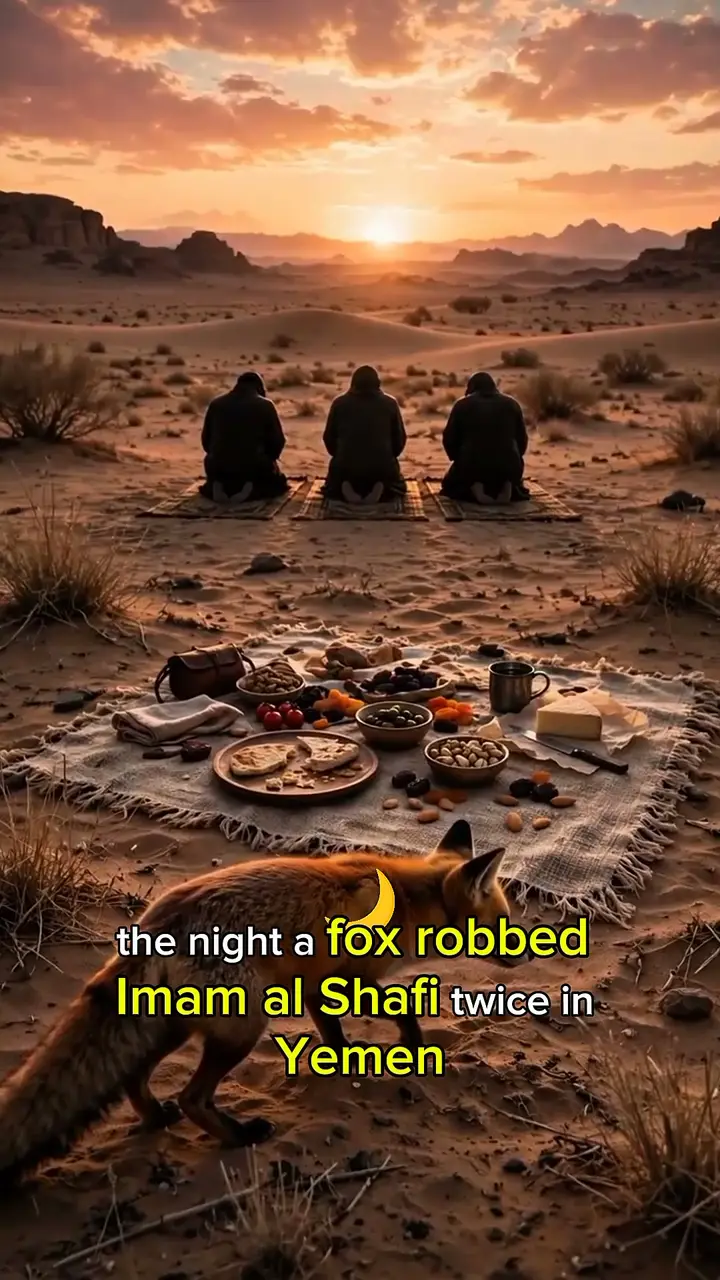 The Fox Came Back for Seconds 🦊🍗
 A Wolf Starts This 700-Year-Old Chain. A Fly Ends It. ⛓️🐺
 The Sneeze That Put a Cat on Noah’s Ark 🦁🐱