That's the whole entry. And I kind of love it.
One Word, One Authority
Al-Damiri doesn't even define the jerboa himself here. He writes that it is the jerboa (اليربوع), “al-Jawhari said it” — one citation, and done. Al-Jawhari — the great lexicographer behind the famous Arabic dictionary al-Sihah — is the authority. That's the entire natural history for now: the word exists, a trusted scholar vouched for it, case closed until later.
It's a small reminder of what this book really is. We keep calling it a medieval animal encyclopedia, and it is — but its author was also building a dictionary of living things, one name at a time. Every name had to be filed somewhere, even if the filing cabinet for its full story sat twenty chapters away.
The Promise at the Back of the Book
Here's the part that stayed with me: the jerboa's real entry hasn't been lost — it's been postponed. Al-Damiri promises it “will come, GOD willing, in the chapter of yā', the last of the letters.”
Bāb al-yā'. The final chapter. The end of the alphabet. This book has been marching through the letters since page one, and the jerboa is waiting at the finish line like the last runner in a very long race.
So why file a placeholder under alif if the real entry goes under yā'? Because that's how a reference work behaves. Someone hears the name “al-awda',” flips to the alif section, and needs a signpost: looking for the jerboa? Keep walking. Last chapter. You can't miss it. Medieval hyperlinking, basically — a cross-reference carved in ink.
Why a One-Liner Still Counts
I keep coming back to the confidence of it. No apology for the shortness, no padding to fill the page. One line, one citation, one promise — and al-Damiri moves on, exactly as sure of the jerboa's place at the back of the book as he is of anything in it.
There's something honest about a book that does this. It doesn't pretend to know everything about every animal on the spot. It says: this name exists, here's who confirmed it, the story comes later. Twenty-six letters later, the jerboa gets its biography — and when we get there, in book order like everything else, we'll write it too.
Frequently Asked Questions
What does al-awda' mean?
It means the jerboa (اليربوع), the small desert rodent known for its oversized hind legs and its hopping, leaping way of moving. In this entry, al-Damiri gives no physical description at all — he only files the word and cites al-Jawhari for it. The animal's biography waits in the yā' chapter.
Who was al-Jawhari?
The famous Arabic lexicographer behind al-Sihah, one of the great classical Arabic dictionaries. Al-Damiri cites him whenever a word's definition comes from the dictionary tradition rather than from travelers or hunters — the same citation appeared one entry up, on the gray camel's color.
When does the full jerboa entry come?
In bāb al-yā' — the chapter of the letter yā', the last letter of the Arabic alphabet. That's the promise this one-line entry makes, and this series moves in book order, so the jerboa's real biography gets written when we reach it.

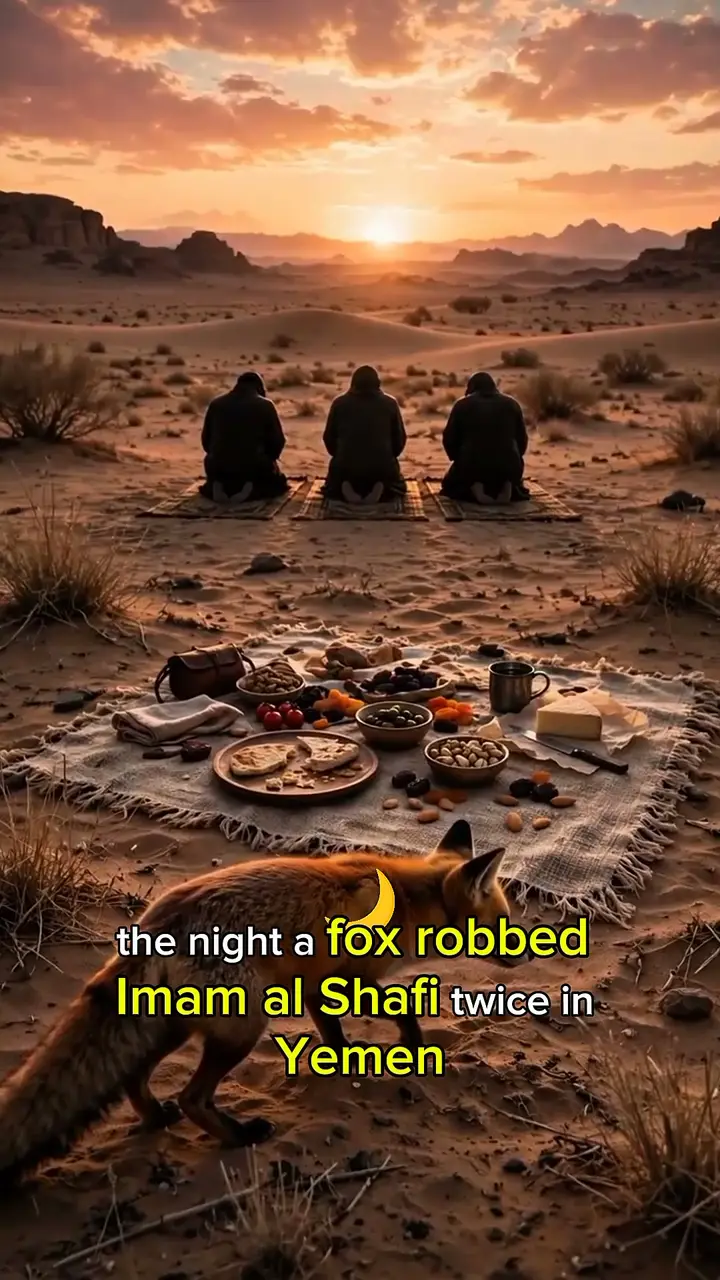 The Fox Came Back for Seconds 🦊🍗
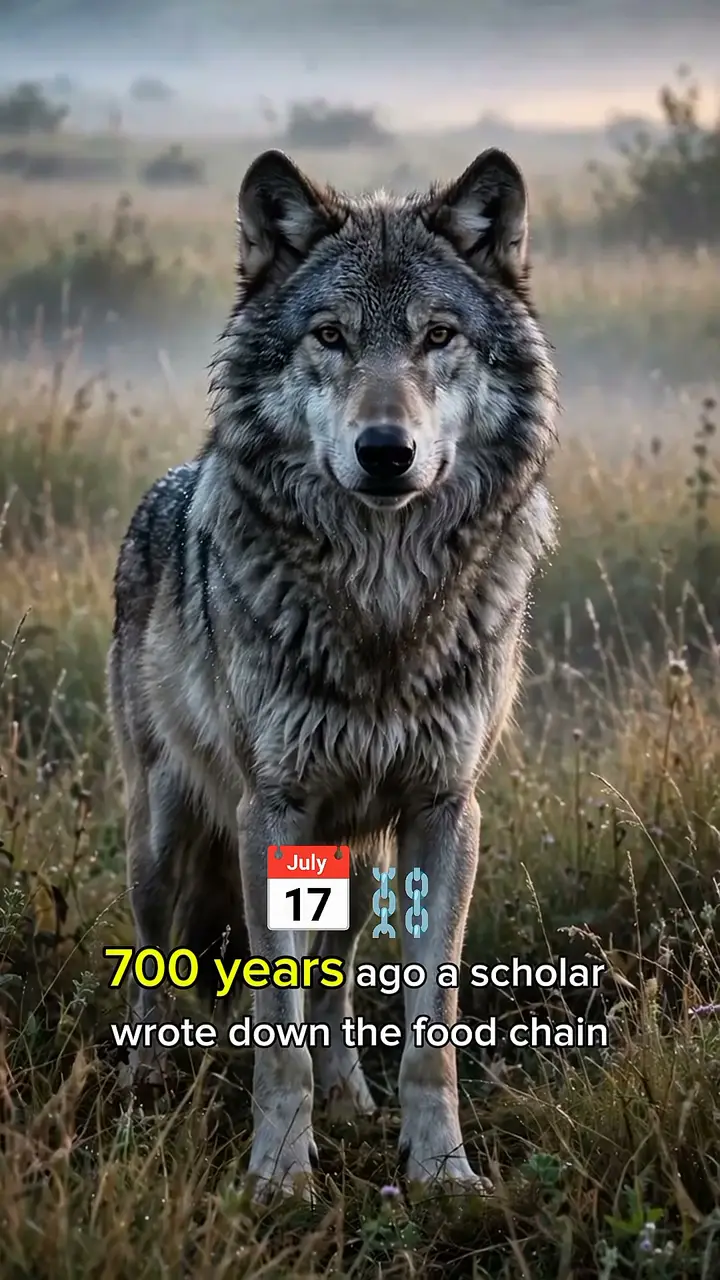 A Wolf Starts This 700-Year-Old Chain. A Fly Ends It. ⛓️🐺
 The Sneeze That Put a Cat on Noah’s Ark 🦁🐱