A Bird Named by Its Consonants
The name is its own pronunciation guide. Al-babghā' — the parrot's name in the book — three bā's, the first and third with fathas, the second silent, then a ghayn. The book calls this green bird al-durra. It's about the size of a dove, and people keep it the way they keep a peacock — except with a peacock you're paying for the voice and the color, and with the parrot you're paying for the voice alone.
Because this bird talks. Not chirps — talks. The entry calls it gentle in character and piercing in understanding, with real power to mimic sounds and take instruction. And here's the line that made me grin: kings and great men keep parrots so the birds will repeat the news they hear. A feathered surveillance device. Your parrot sits through the council meeting and blabs it all back at dinner. In the medieval palace, loose lips didn't sink ships — loose beaks did.
Teaching a Parrot to Talk: Aristotle's Mirror Trick
Aristotle's method: take a mirror, set it before the parrot so it sees its own reflection, then speak from behind the mirror and repeat. The bird, convinced another bird is talking to it, answers back. The oldest language-lab trick on record — a mirror and patience. And it crossed languages: Ibn al-Faqih writes that on Ranj island he saw parrots — red, white, yellow — repeating speech in whatever language it came at them in. Any language.
Then the entry breaks into poetry, and the poem is a love letter. Abu Ishaq al-Sabi's ode calls her pretty of morning, eloquent of speech — ranked among the birds, yet her tongue suggests a human. She reports news to her owner, uncovers secrets, mute herself but listening, repeating all she hears. An honored guest, fed walnuts and rice, beak like a pearl, eyes like gems that shine in light and darkness, in a green robe like a young maiden. And the closing image lands like a stone: “We cage her though she has no fault — only from excess of love.”
White as Snow, and Gone Forever
Then a ghost. A white parrot was once gifted to Mu'izz al-Dawla ibn Buyeh — snow-white body, black beak, black feet, a pistachio tuft on its head. Try to picture it: the strangest, most beautiful bird in the prince's court. And the book's quiet verdict: all the colors are gone now except the green. The white parrot existed — and then it didn't. Somewhere a prince's bird died, and a color vanished from the world.
A Funeral Letter and a Preaching Parrot
Ibn Khallikan preserves the best anecdote: Ahmad ibn Yusuf wrote to a friend whose parrot had died — a friend whose brother, Abd al-Hamid, had a habit of never showing up. “Death has taken your parrot,” the letter jokes, “and skipped your brother Abd al-Hamid — who would have been the more fitting and deserving candidate.” Grief with a punchline. Medieval friendship in a single paragraph.
And stranger still: al-Zamakhshari records a parrot that said, “Woe to him whose concern is this world.” Somewhere in the medieval world, someone trained a bird to preach — and a scholar wrote it down. I keep wondering what the sermons sounded like.
What the Jurists and Dream-Readers Said
The jurists argued over the bird the way they argue over everything. Al-Rafi'i ruled its meat forbidden — foul flesh. Others said lawful: it eats good foods, it's not venomous, not clawed. Al-Mutawalli settled the practical question: you may rent a parrot for the company of its voice. The khawass section, as always, is where things get weird — the book claims eating its tongue makes a man eloquent and bold in speech, its gallbladder eaten heavyens the tongue, its blood dried and ground and sprinkled between two friends breeds enmity, and its droppings mixed with unripe-grape juice make a kohl for eye ailments. Historical beliefs, every one — filed here as curiosities, not advice. And in dreams? The parrot is a bad-omened lying man. Or a philosopher. Its chick: a philosopher's son. Or — the entry's last word — a young slave girl, or an orphan boy.
Frequently Asked Questions
Could medieval parrots really talk?
The book treats it as trained mimicry, not magic: parrots imitate sounds, and Aristotle's mirror trick — speaking from behind a mirror so the bird thinks another bird is talking — taught them speech. Ibn al-Faqih claimed parrots on Ranj island repeated speech in any language. Kings exploited exactly this talent.
Why did kings keep parrots?
To repeat the news they heard. The entry says kings and nobles kept parrots so the birds would inform on conversations — a feathered surveillance device in the palace. Al-Sabi's poem even praises the parrot for reporting news to its owner and uncovering secrets.
Was it allowed to eat a parrot?
The jurists disagreed. Al-Rafi'i ruled it forbidden, blaming foul meat; others said lawful, since it eats good foods and is neither venomous nor clawed. Everyone agreed on the practical point: you may rent a parrot for the company of its voice — the medieval equivalent of a talking-pet subscription.

 The Crow’s One Job—and the Feast That Ruined It 🐦⬛
 The Mystery Birds With Trunks Like Elephants and Paws Like Dogs 🐦
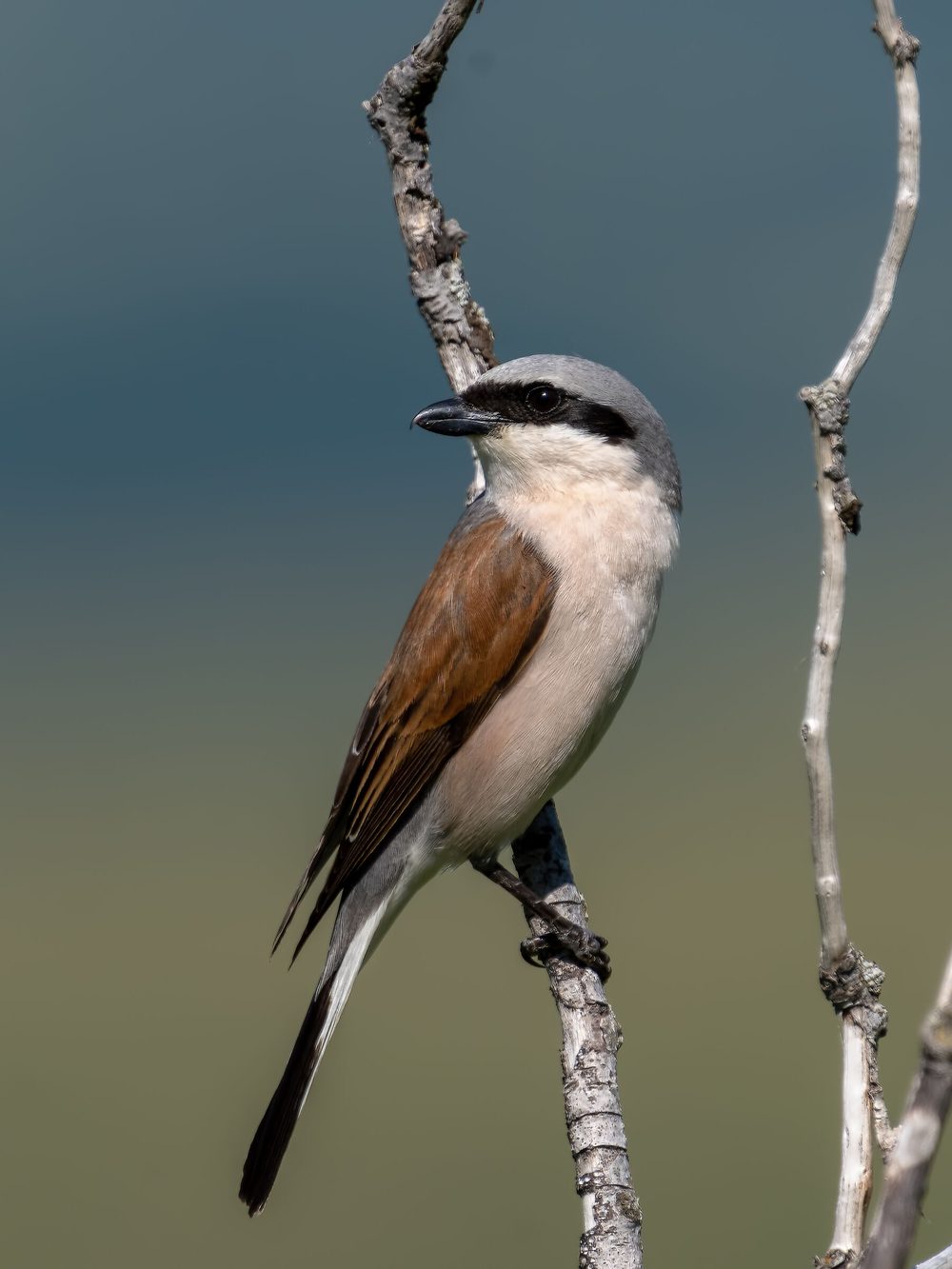 Shrike Bird Facts: The Bird That's Also a Donkey (Al-Akhtab الأخطب ) 🐦🫏