The Wind, the Race, and the Name
First, the name. Al-babr — two bā's, the first with a fatha, the second with a kasra. Get it wrong and you've lost the whole animal. It's a beast of prey, and here's the first strange detail: it “rivals the lion in running” — in running, not in fighting. Not a war with the lion. A race. A tiger that doesn't brawl with the king of beasts; it outruns him.
It answers to other names — al-barid, al-faraniq — and it's Indian, an Arabized import, built something like the jackal. Then the genealogy, which reads like the start of a fable: it's said to be born of zabarqan and a lioness. And the part that made me stop and reread: the female conceives from the wind. Not as a metaphor. From the wind. That, the book says, is why its running is like the wind's running — and why no hunter on earth can catch it.
The Glass-Bottle Heist
You don't hunt the mother. You steal.
Thieves slip in and snatch the cubs, seal them into glass flasks and jars, and gallop off on the fastest horses they own. And when the father catches up — because he always catches up — they toss him one of the bottles. He stops. He stares at his cub floating behind the glass, puzzling over how to get it out, and while he's standing there baffled, the rest of the crew vanishes with the remaining cubs. The stolen ones grow up among children, tame, used to people. A tiger father so bewildered by a glass bottle that he forgets the chase. The book presents this as fieldcraft, not folklore.
The Babr Guards the Camphor Tree
Then the entry pivots, and the babr becomes something stranger than a beast: a security guard. It loves the camphor tree — haunts it constantly. While the babr is at the tree, nobody can take a single piece of camphor. Nobody even tries. But it leaves at a known, fixed time, and the people of those parts know the schedule. They wait. When the guard goes off duty, they walk in and harvest. A wild tiger working a timed shift — and the locals planning their whole trade around its timetable. I love that the book treats this as logistics, not magic.
What the Old Books Claim About Its Body
The jurists ruled its meat forbidden — it strengthens itself with its canine; hunter's logic. The khawass section goes further, and remember: this is what the book claims, not medical advice. Its gallbladder, beaten with water and smeared on the head, is said to help head ailments “with clear benefit.” The same organ, carried by a woman, was believed to prevent conception — a medieval fertility belief, stated flatly, the way these books state everything. Its heel bone, tied to the forearm, supposedly keeps the bearer from ever tiring, even at twenty parasangs a day. And sitting on its skin was said to clear the skin condition called hubb al-qara'.
As for what it looks like: the Rabi' al-Abrar describes it as the size of a great lion, white gleaming with yellow and black stripes — which sounds exactly like a tiger to me. Aristotle, quoted at the entry's end, puts this fearsome beast in Abyssinia and nowhere else. Somewhere between the wind, the glass bottles, and the camphor schedule, the babr walked off the page. I keep thinking about that father, nose to the glass, watching his cub float away.
Frequently Asked Questions
What is the babr?
The babr (الببر) is a tiger-like beast in Hayat al-Hayawan, also called al-barid and al-faraniq. The book says it was born of zabarqan and a lioness, races the lion rather than fighting it, and that the female conceives from the wind — which is why it runs like the wind and no one can hunt it.
How did people steal babr cubs?
Since no one could catch the mother, thieves snatched the cubs and sealed them in glass flasks, fleeing on swift horses. When the father caught up, they threw him one bottle — he stopped, transfixed by his cub behind the glass, unable to work out how to free it — and lost the rest. The stolen cubs were then raised among children and tamed.
What is the babr's connection to camphor?
The book says the babr haunts the camphor tree so devotedly that no one can take camphor while it is there. But it leaves at a known, fixed time — and the local people know the schedule. They simply wait for the guard to go off duty, then walk in and harvest the camphor.

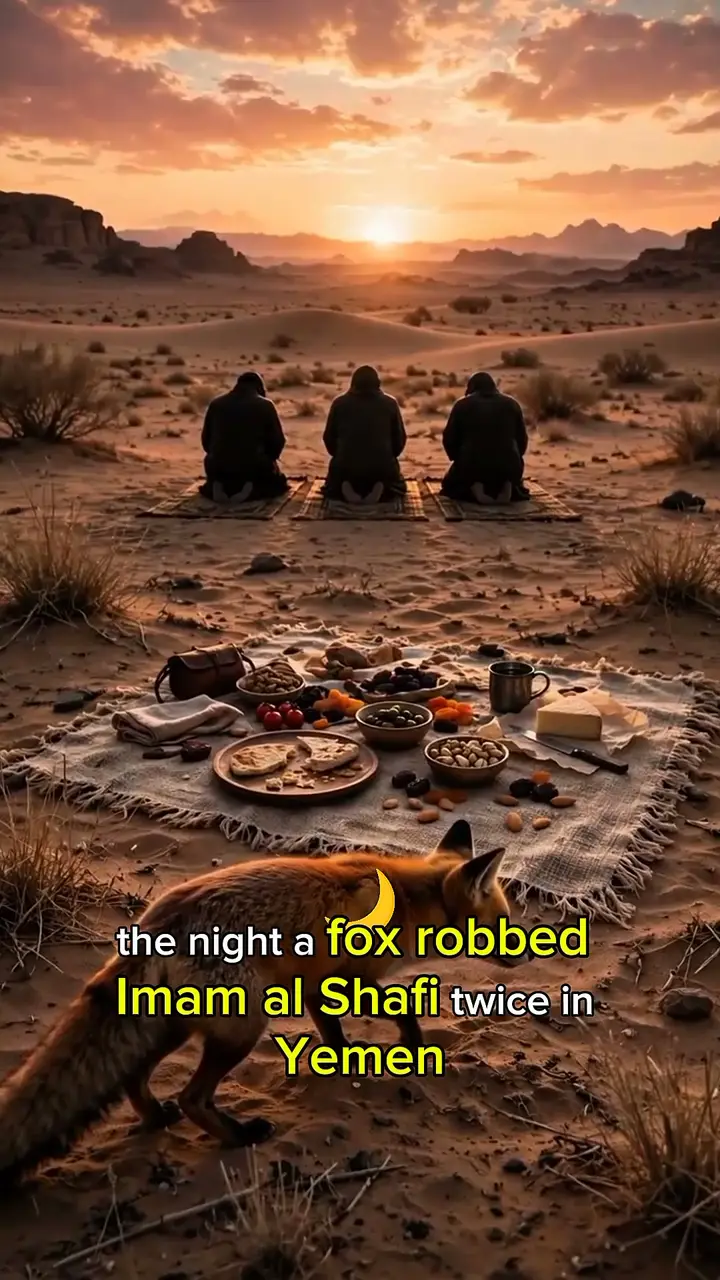 The Fox Came Back for Seconds 🦊🍗
 A Wolf Starts This 700-Year-Old Chain. A Fly Ends It. ⛓️🐺
 The Sneeze That Put a Cat on Noah’s Ark 🦁🐱