The wolf, the crow and a shared name
Some entries in Al-Damiri's book are about one animal. This one is about two animals sharing a single name — and then, with no warning at all, it tells you the most astonishing story about a man I have come across in this entire book.
The word is al-asraman — الأصرمان. It is a dual form, which means it names a pair. And the pair is: the wolf and the crow. One word, two animals. That's the first strange fact right there — in classical Arabic, the wolf and the crow are a matched set, like salt and pepper.
Why those two? The great grammarian Ibn al-Sikkit gives the answer: because both of them cut themselves off from people. The Arabic root behind the name is insarama — to break away, to separate. Wolves live far from human settlements, and crows — the wild ones of the desert — keep their distance too. Two creatures united by the single trait of refusing our company. Seven hundred years ago, somebody looked at that behavior and gave them a shared name: “the cut-off ones.”
Here is the part I love most, though. The same word, al-asraman, is also used for something else entirely: night and day. Because night is cut off from day, and day is cut off from night — neither one bleeds into the other, they just hand the world over, back and forth, forever. The linguists who built this language had a poet's eye. Two animals that avoid humans; two halves of time that never meet. One word for both.
Usayrim’s single day as a believer
And then the entry does what this book always does — it drops the dictionary and hands you a story. Imam Ahmad reports, with a sound chain from Abu Hurayra, that he used to ask people a riddle: “Tell me of a man who entered Paradise but never prayed a single prayer.” People would puzzle over it. Then he would give the answer: Usayrim ibn Abd al-Ashhal.
Usayrim had spent years refusing Islam while his whole people accepted it. He held out, stubborn, one of the last holdouts. Then came the day of Uhud. The Prophet, peace be upon him, marched out with the army — and something broke open in Usayrim. Islam “dawned on him,” the book says, that very morning. He took his sword, walked straight into the battle, fought beside the believers until he was killed.
When they told the Prophet about him afterward, he said: “He is among the people of Paradise.”
A man who refused the message for years, accepted it on the morning of a battle, died that same afternoon — and was promised Paradise before the sun set on his first day as a believer. No recorded prayer. No fasting. No pilgrimage. Just one sincere turn of the heart, and a sword raised for it.
Al-Damiri tucked this story under an entry about wolves and crows. The asraman are the ones who stay apart — and Usayrim was the one who stayed apart from everyone, until the day he didn't. He cut himself off, and then he cut himself back in.
Frequently Asked Questions
-
What does al-asraman mean?
Al-asraman is a dual Arabic form used for the wolf and crow together. Ibn al-Sikkit explains that both animals separate themselves from people, linking the name with the root insarama, to break away. The same expression can also describe night and day because each remains cut off from the other.
-
Who was Usayrim ibn Abd al-Ashhal?
Usayrim was a man who had resisted Islam while his people accepted it. On the morning of the Battle of Uhud, he changed course, took up his sword, joined the believers and was killed. When told what happened, the Prophet said that Usayrim was among the people of Paradise.
-
How could Usayrim enter Paradise without praying?
The account says Usayrim accepted Islam immediately before fighting at Uhud and died that same day, leaving no recorded opportunity to perform a prayer. Abu Hurayra later used his story as a riddle about someone who entered Paradise without praying, emphasizing his sincere turn and final action.

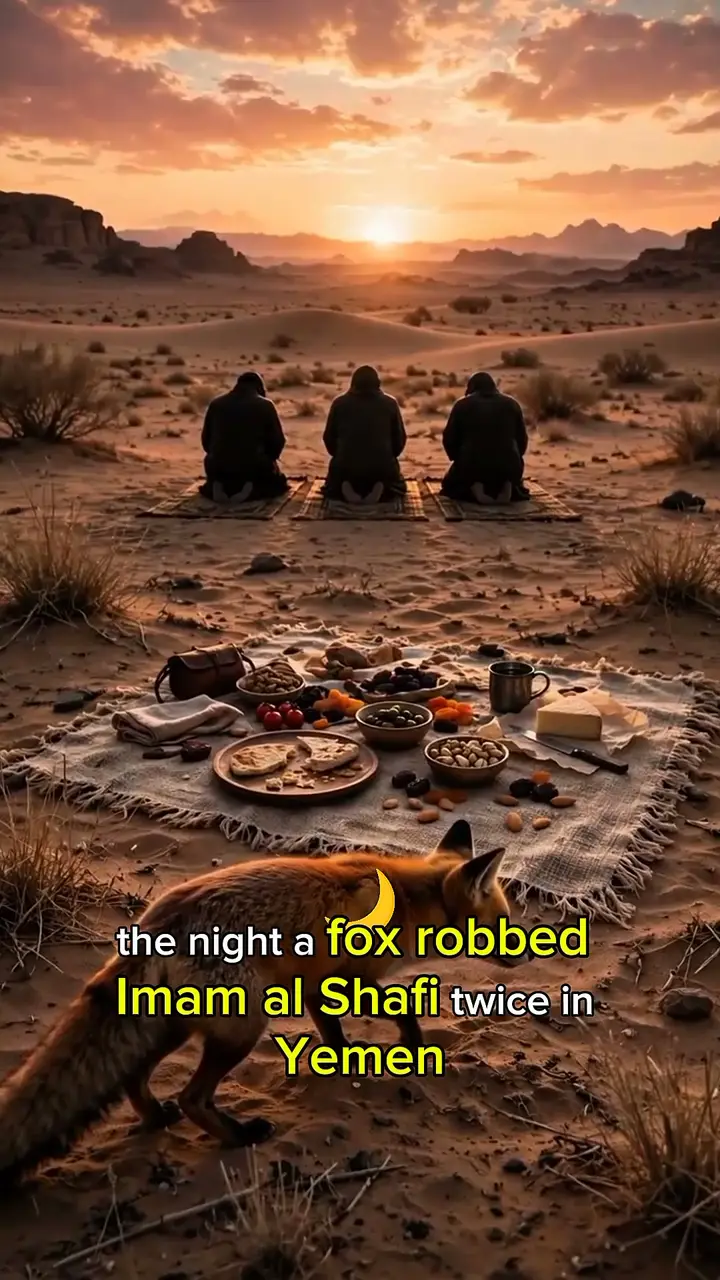 The Fox Came Back for Seconds 🦊🍗
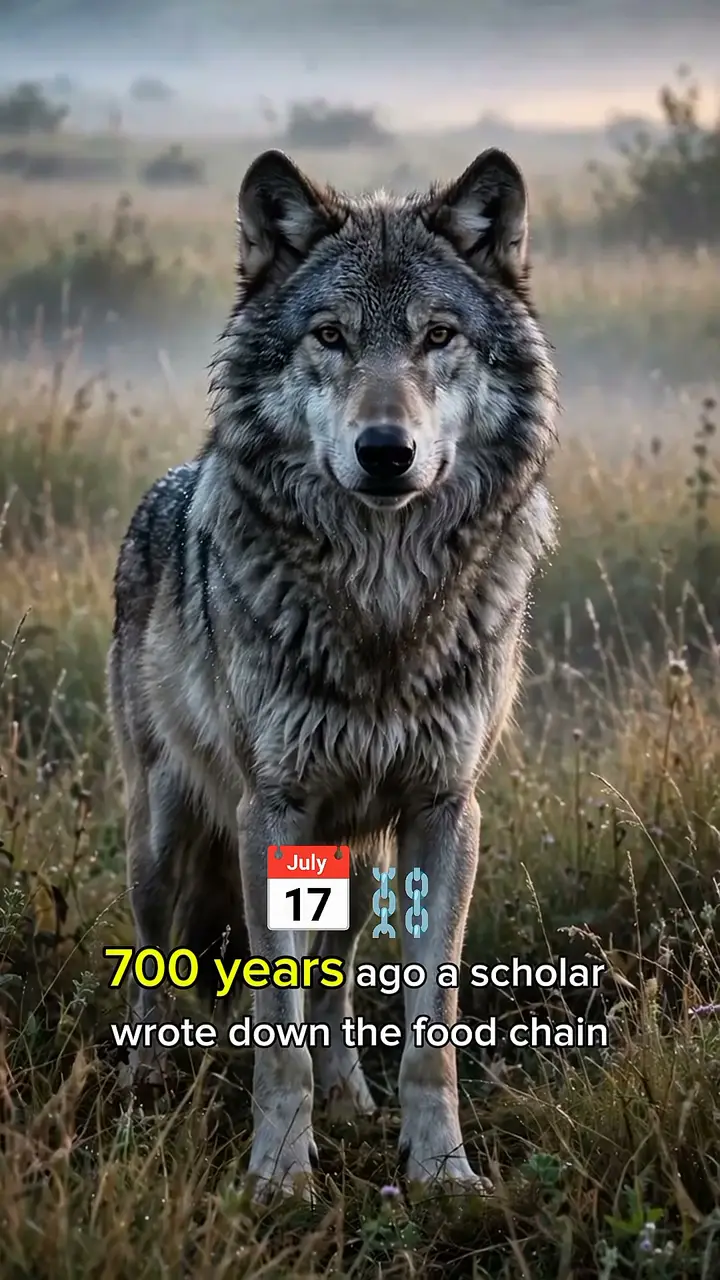 A Wolf Starts This 700-Year-Old Chain. A Fly Ends It. ⛓️🐺
 The Sneeze That Put a Cat on Noah’s Ark 🦁🐱