Three definitions for one wild cow
In Hayat al-Hayawan, the entire entry for the arkh (الأرخ) is less than half a page, and yet it manages to start a full-blown dictionary fight. The question is simple: what exactly is an arkh?
The grammarian Ibn Durustawayh gives the most precise answer: she is the female two-year-old wild cow that has never been mated by the bull — with not one but two plurals to choose from, urukh and arakh. Read that definition again and marvel at it. Not just a wild cow. A female. Two years old. Never mated. This is a man who spent his life parsing grammar, and he brought the same terrifying precision to zoology. The wild cow, filed by age, sex, and reproductive history.
But the other lexicographers won't agree. And this is where it gets fun. Al-Jawhari, the famous compiler of al-Sihah (the great dictionary), says the arkh is simply the wild cow itself — no age, no condition attached. Strip away Ibn Durustawayh's fine print; an arkh is an arkh. Meanwhile the author of al-Maghrib counters that it is the young of the wild cow — not the adult at all, but the calf. Three dictionaries, three definitions, one animal.
Why the argument mattered to poetry
Now, you might think this is just pedantry, medieval scholars arguing about nothing. But something real is at stake. In a culture where poetry was the supreme art, and the wild cow was one of poetry's supreme images of beauty, the exact meaning of the word mattered enormously. When a poet compared his beloved to an arkh, was he invoking a two-year-old heifer, a full-grown wild cow, or a calf? The image shifts with the definition.
And the entry preserves the poetry to prove it. Ibn Durustawayh himself heard a verse improvised on the road to Mecca by a Bedouin of the Muzayna tribe, who sang of his days with his beloved May: “as if she were an arkh roaming a rich, thriving meadow” (mithqal — the meadow is lush, abundant). Picture the scene: the pilgrimage road, a tribesman singing off the cuff, and the grammarian, on his way to Mecca, stopping to write it down as linguistic evidence. Scholarship with dust on its sandals.
In the desert imagination, the wild cow — graceful, watchful, vanishing into the shimmer — was the highest compliment for beauty. The poets reached for her when they wanted to say: she is lovely, she is wild, she cannot be caught.
So the briefest entry in the book turns out to contain its oldest trick. Half a page, one animal, three warring dictionaries, one roadside song — and a thousand years of Arabic poetry hiding inside. The arkh may be small on the page. In the language, she looms enormous.
Frequently Asked Questions
-
What is an arkh according to Ibn Durustawayh?
Ibn Durustawayh gives the narrowest definition: an arkh is a female two-year-old wild cow that has never been mated by a bull. He also records two plural forms, urukh and arakh. The article highlights how grammatical precision was applied to age, sex and reproductive history.
-
How do the other dictionary definitions differ?
Al-Jawhari uses arkh for the wild cow generally, removing the age and reproductive conditions. The author of al-Maghrib defines it instead as the young of the wild cow, or calf. Hayat al-Hayawan preserves all three positions rather than forcing the authorities into a single answer.
-
Why did the exact meaning of arkh matter to poets?
The wild cow was a major image of beauty in Arabic poetry: graceful, watchful and difficult to catch. If a beloved was compared to an arkh, the image could suggest a two-year-old heifer, an adult wild cow or a calf, depending on which dictionary definition the reader accepted.

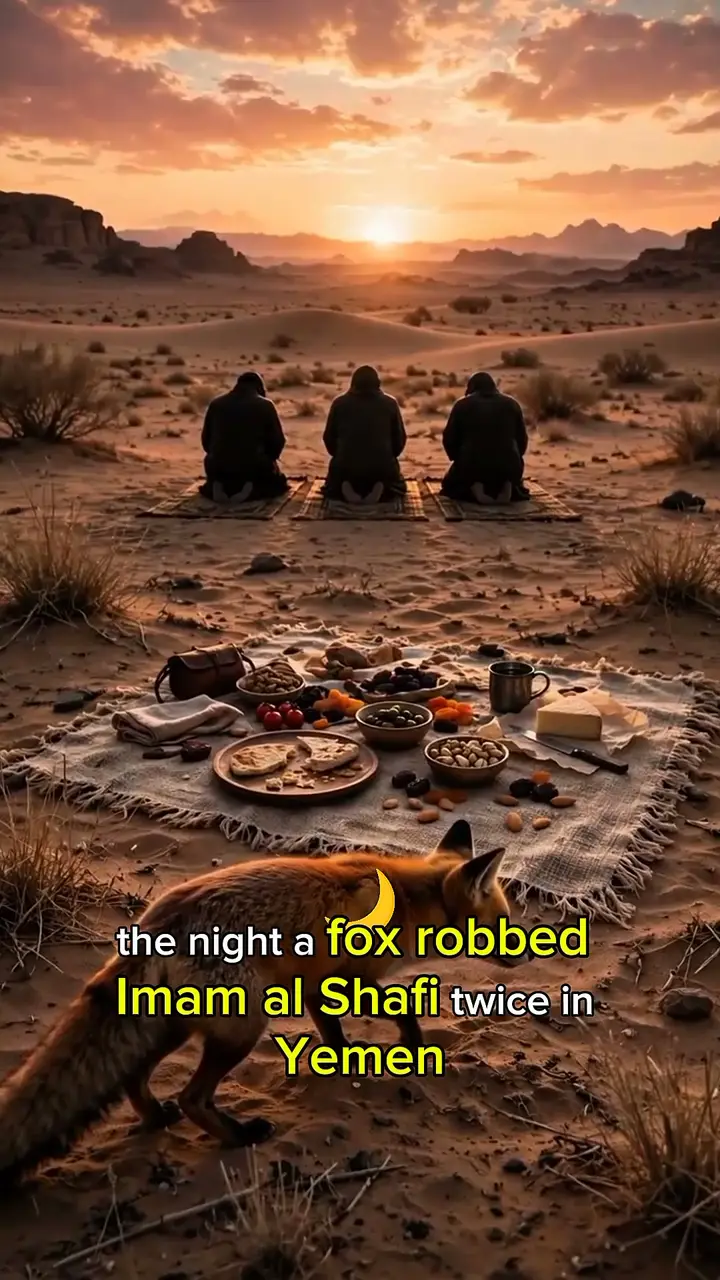 The Fox Came Back for Seconds 🦊🍗
 A Wolf Starts This 700-Year-Old Chain. A Fly Ends It. ⛓️🐺
 The Sneeze That Put a Cat on Noah’s Ark 🦁🐱