A patterned snake and a legal proverb
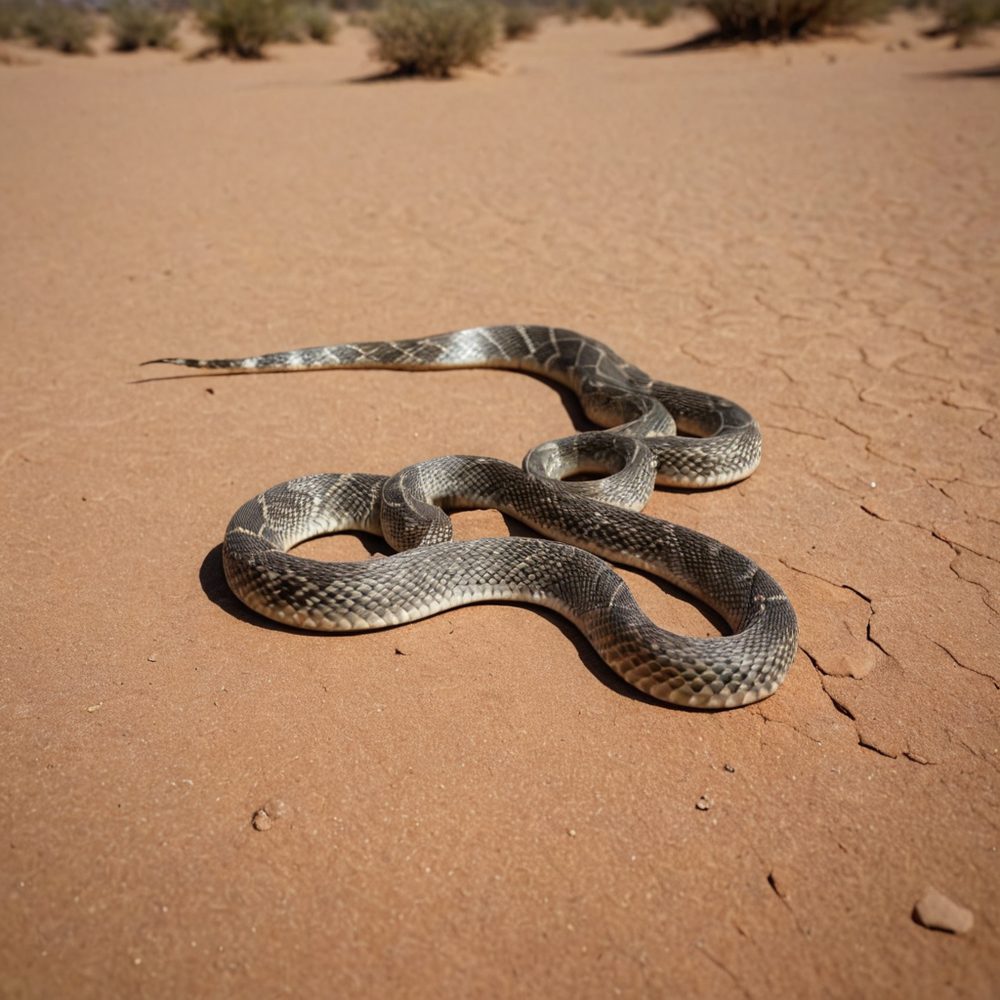
The arqam (الأرقم) is the spotted snake — black and white like carving or embroidery, from raqm, the word for a woven pattern. The entry's phrasing is lovely: it's called arqam as if it were embroidery — the snake as needlework, danger as decoration.
It is not just dangerous. It is, in the medieval imagination, a dilemma with fangs.
The entry's star anecdote comes from the court of Umar ibn al-Khattab, the second caliph. A man arrived with a broken bone, demanding legal retaliation (qawad) against the man who broke it. Umar refused to impose it. Cornered between injury and injustice, the man reached for a proverb: "He is like the arqam — if you kill it, it takes revenge; if you leave it, it devours you." The entry glosses the saying carefully: leave the snake and it will eat you; kill it and you will be killed for it. Either way, you lose.
Old superstition, poetry and two evils
That proverb, the book explains, grew out of a genuinely held pre-Islamic belief: that the jinn avenge their slain snakes. The slim desert snake called al-jann was thought to belong to them, and the book reports that a man who killed one might die himself — or be struck with madness. This is presented as an old desert superstition, not fact. But it explains why the snake became the perfect symbol for being trapped between two evils. The great Ibn al-Athir's gloss nails it: the proverb fits one beset by two evils at once, not knowing what to do with them — here, the broken bone plus the denied retaliation. Pain on both sides, no way through.
Not everyone agrees on the pattern, of course — this book never lets a definition sit still. Some authorities say the arqam is red and black rather than black and white. And the entry closes with a verse from Muhadhdhab al-Mulk, painting the snake in terrifying color: red-bellied spotted snakes, black backs, darting blue tongues flickering across a winter campfire in verse. Blue tongues. I keep coming back to that image.
The entry contains no khawass section at all — no special properties, no remedies, no "smear this on that." It jumps straight from the verse to the next entry (the rabbit). The arqam gets no medicine, no magic, no dream interpretation. Just the proverb, the superstition, and the poetry. Some animals in this book are pharmacies. The arqam is pure literature: a real spotted snake of the desert, a legal proverb about impossible choices, and a ghost story about vengeful spirits.
Frequently Asked Questions
-
What does the arqam proverb mean?
The proverb says the arqam takes revenge if killed but devours you if left alone. In the legal story, a man with a broken bone uses it after Umar refuses retaliation against the person who injured him. It describes being caught between two evils with no safe choice.
-
Why did people fear revenge after killing a snake?
The article explains a pre-Islamic belief that jinn would avenge snakes killed by humans, especially slender desert snakes associated with them. A killer might then die or become mad. This is presented as an old superstition, but it supplies the cultural logic behind the arqam’s no-win proverb.
-
What colors were associated with the arqam?
The main description compares the arqam’s black-and-white spots to carving or embroidery, linking its name to raqm, a woven pattern. Other authorities described the snake as red and black. A closing poem adds red bellies, black backs and blue tongues flickering across the light of a winter campfire.

 The Snake Whose Bite Changes Your Face 🐍
 The Snake That Turned Up in Three Graves 🐍
 The One-Legged Snake That Kills With a Look