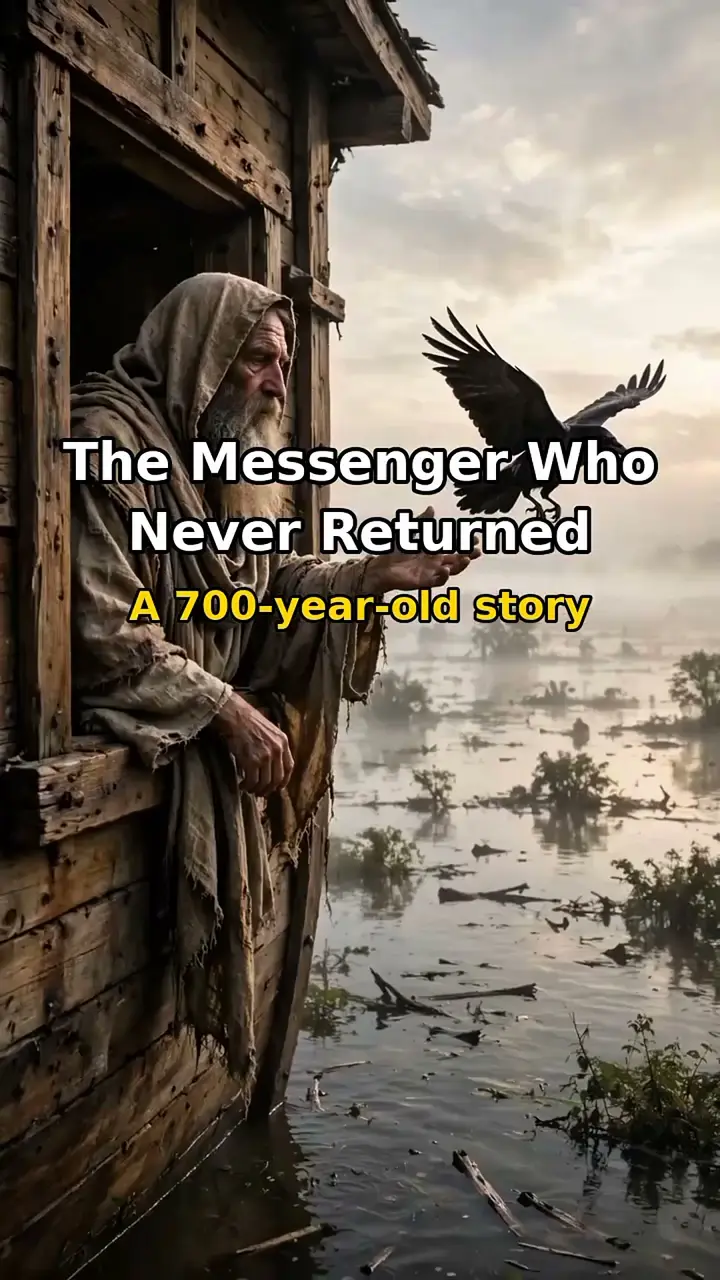
The Crow’s One Job—and the Feast That Ruined It 🐦⬛
Picture the view from the Ark: water where the roads, roofs, and fields used to be. Everyone aboard was waiting on the same question. Had the flood be
Read the story →Everything on this site is free to read — no accounts, no paywalls. This page gathers the parts of Strange Tale About Animals that work best in a classroom, a library, or home learning: short stories to read aloud, animal profiles with their sources attached, and themed collections for browsing by topic.
Four short written tales, each a two-to-four-minute read, retold from the 700-year-old Hayat al-Hayawan. Every one ends with its source, so students can see exactly where the tale comes from.
Picture the view from the Ark: water where the roads, roofs, and fields used to be. Everyone aboard was waiting on the same question. Had the flood be
Read the story →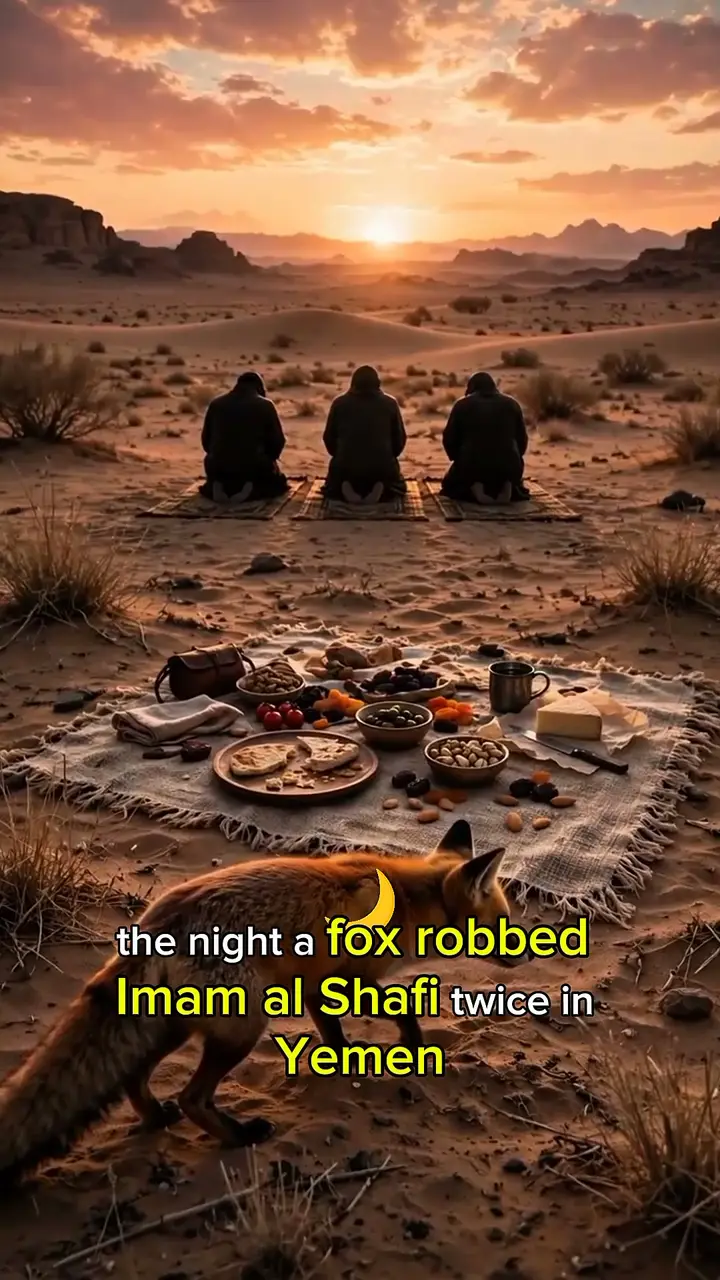
Dinner was supposed to be simple. A chicken had been prepared for Imam Al-Shafi'i, everyone was settling in, and somewhere just beyond the camp a fox
Read the story →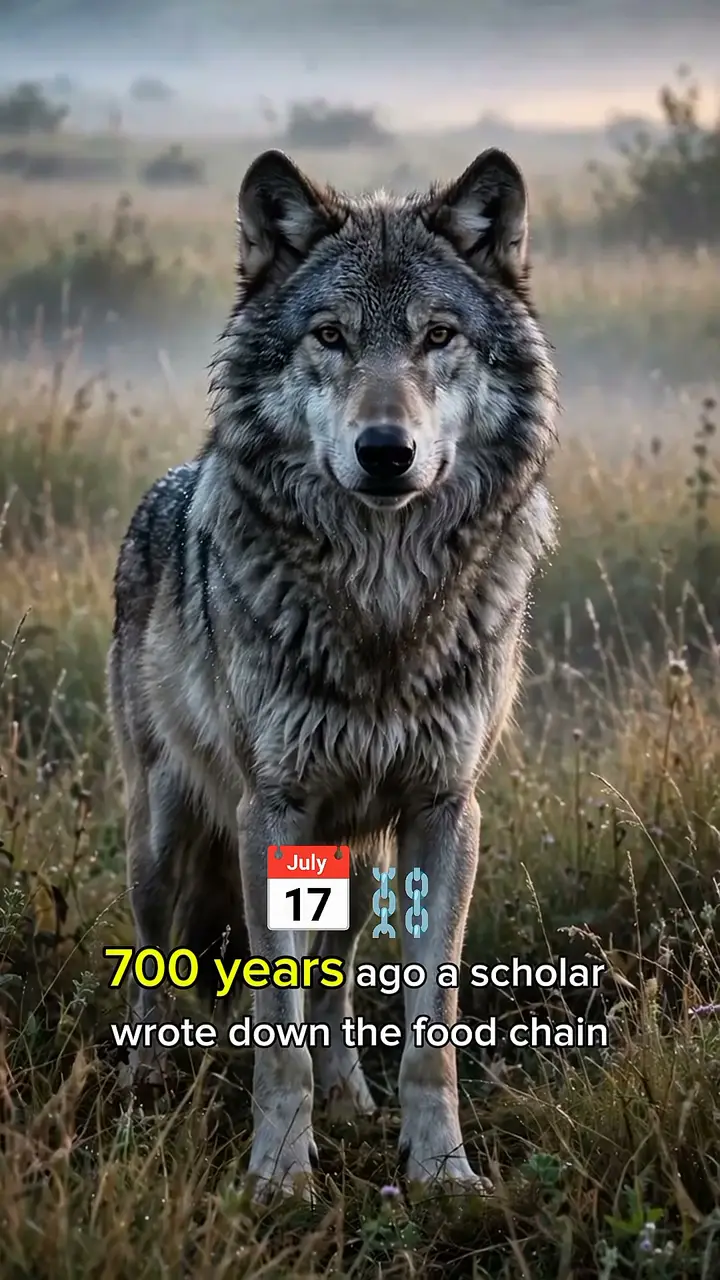
It begins with a wolf, which feels like the obvious place for danger to peak: speed, teeth, and a body made for the chase. But Hayat al-Hayawan refuse
Read the story →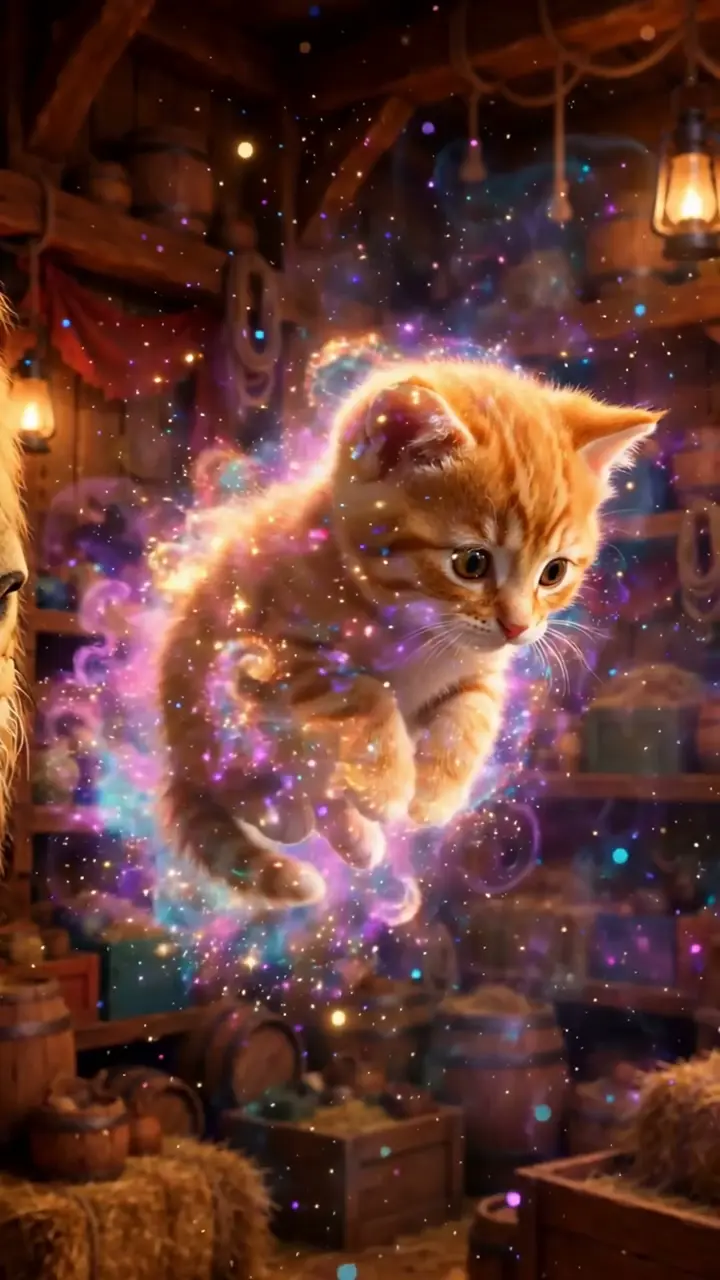
Noah’s Ark was full of animals that would never willingly sleep side by side. Hooves beside claws. Wings beside teeth. Now put a lion among them and t
Read the story →The site’s collections group animals by the ideas that connect them — survival, trickery, wonder. A good way into the material for a themed lesson or a curious afternoon.
The Animal Encyclopedia holds a profile for every animal we have published, A to Z. Each profile ends with a question-and-answer section and a source line naming the exact entry in Hayat al-Hayawan — the questions work well as discussion starters, and the source line makes a gentle first lesson in citing where a story comes from.
For beliefs across cultures, the symbolism articles collect what people in different traditions have believed about the same animal — and say plainly that these are traditions, not facts:
The fun tools on the home page — a strange-fact generator, an animal personality quiz, and an animal-age calculator — are all built from the same book’s material and run right in the browser.
A note on the material: the medieval beliefs in these articles are presented as history — what people believed, and why — not as modern science, and the articles say so on the page. That framing makes them a gentle way to talk about how knowledge changes over time.